
Last updated September 22, 2026
Level 1 sweep and inspection to the NFPA 211 annual standard - flue, crown, cap, and flashing checked and photographed
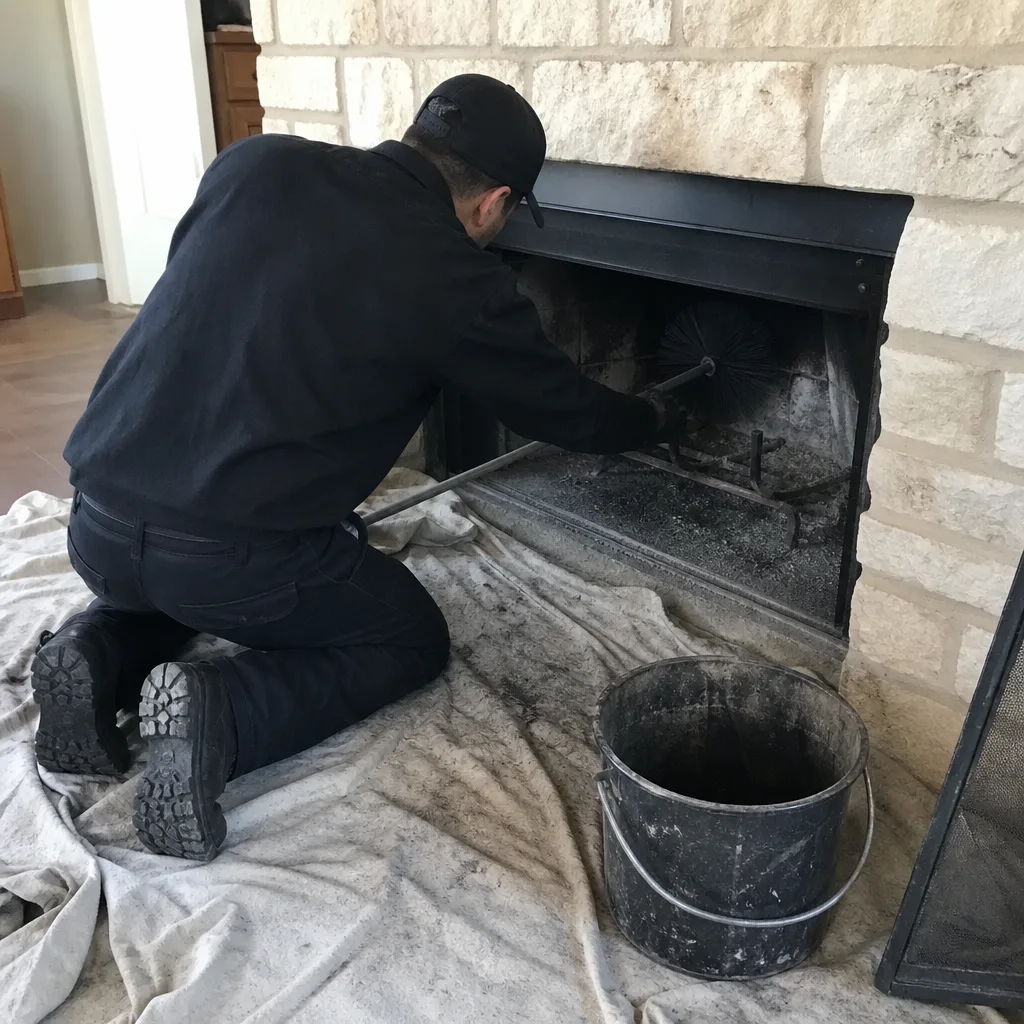
Chimney sweep logs do not sweep chimneys. They loosen some creosote - which then falls where a brush and vacuum still have to collect it.
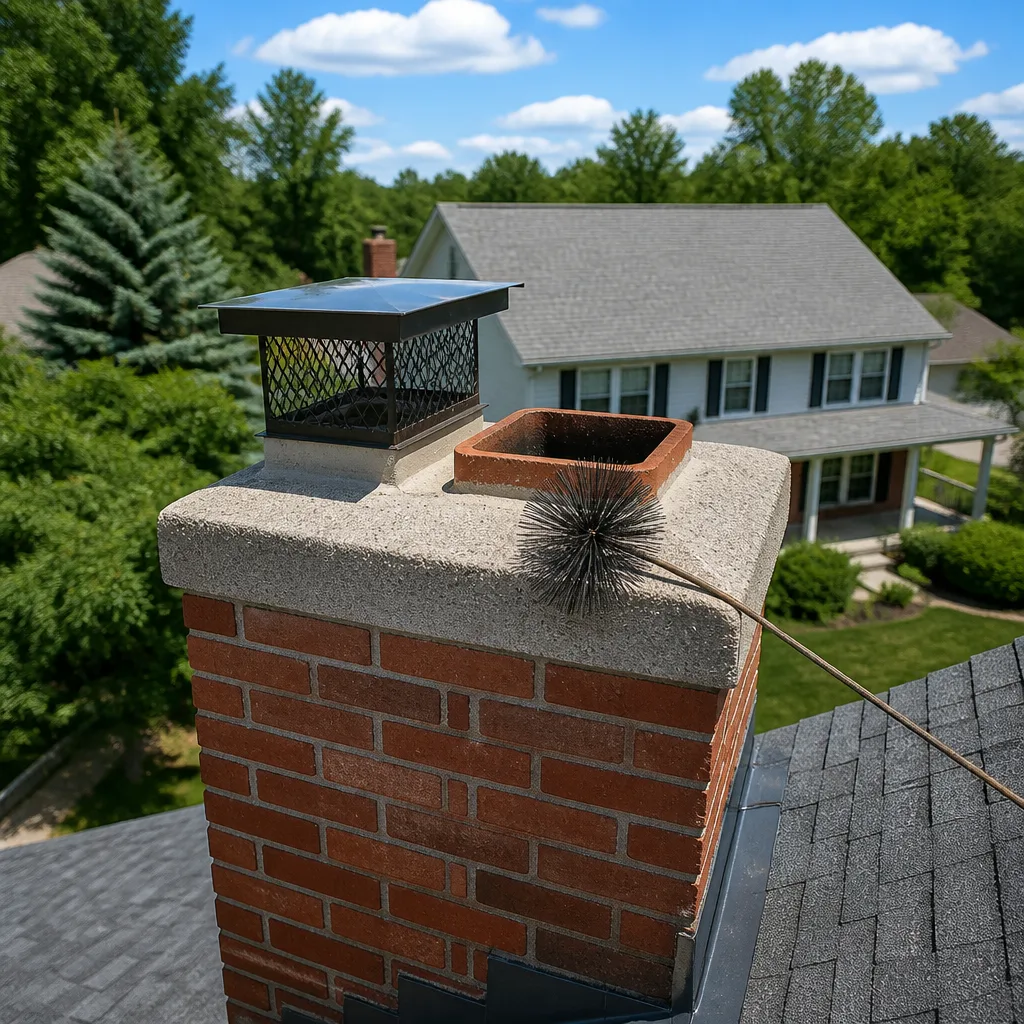
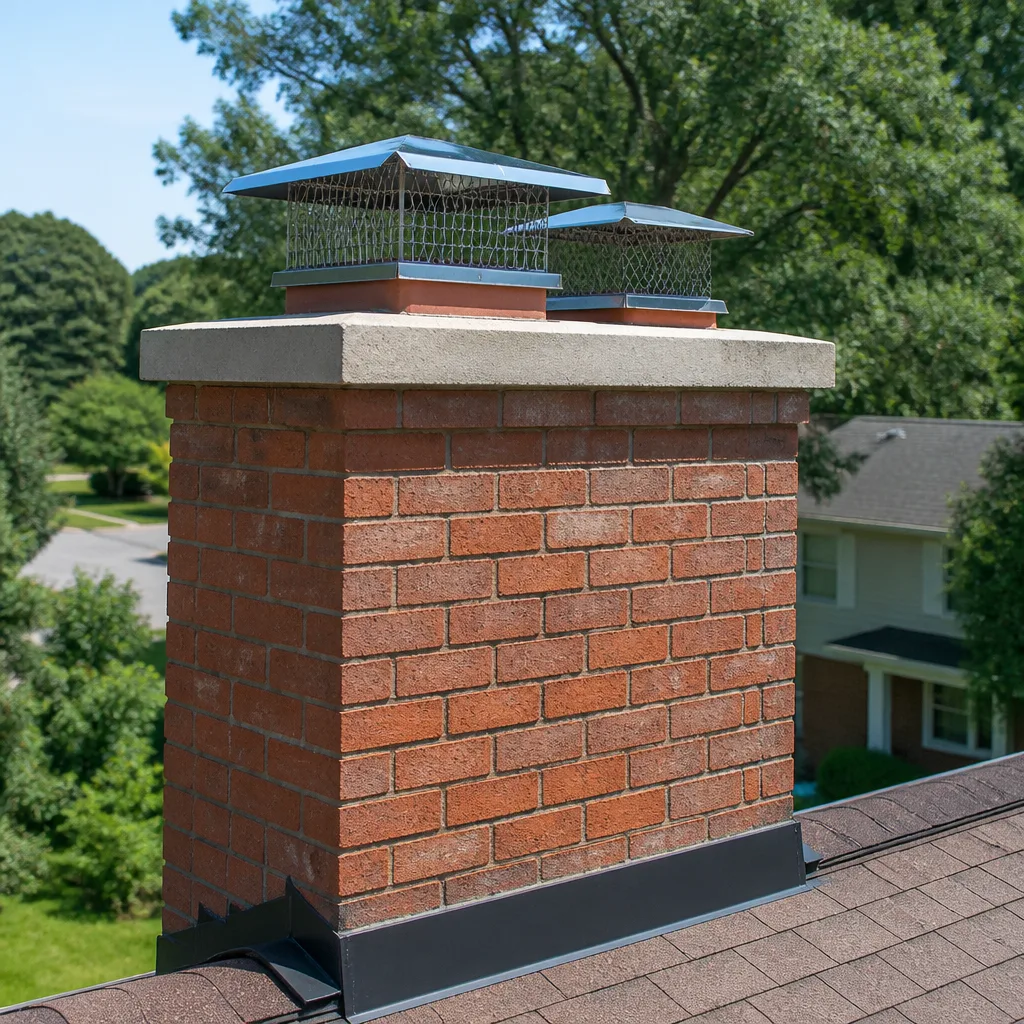
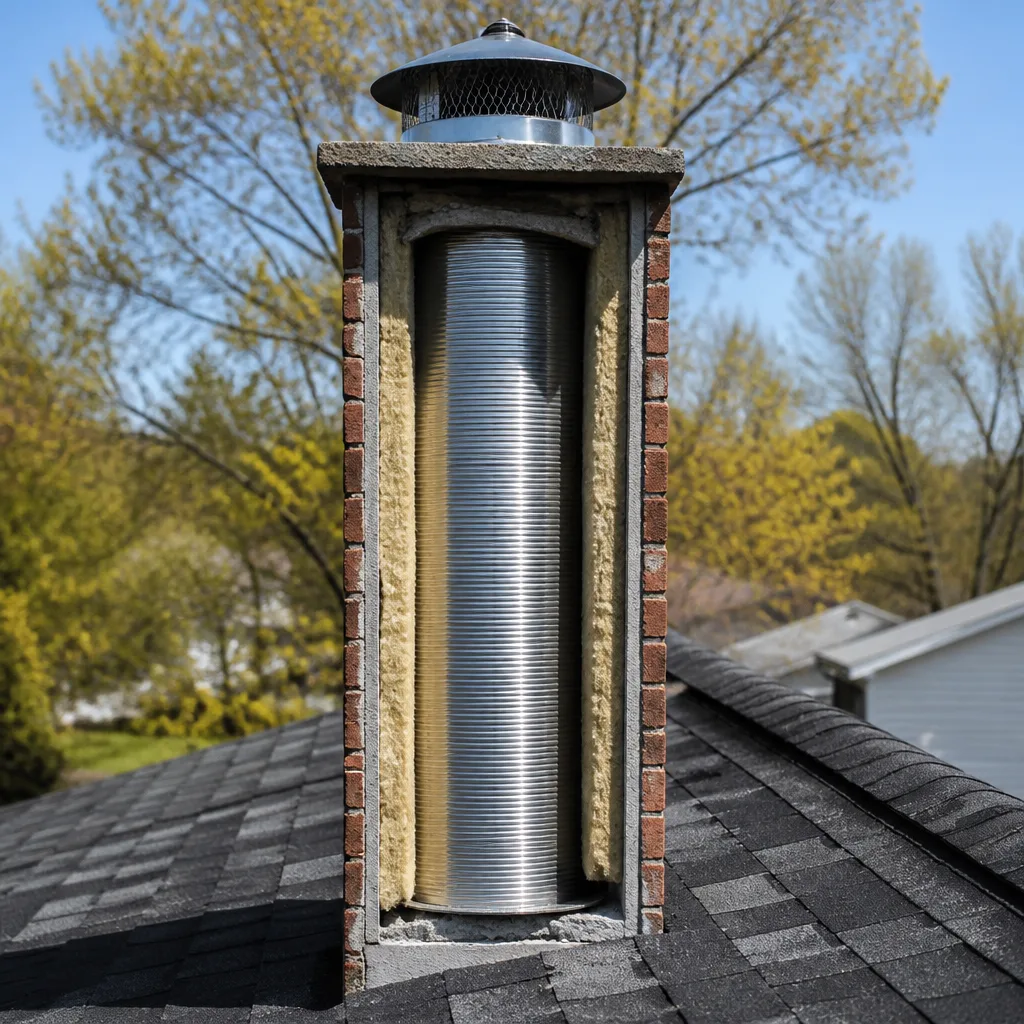
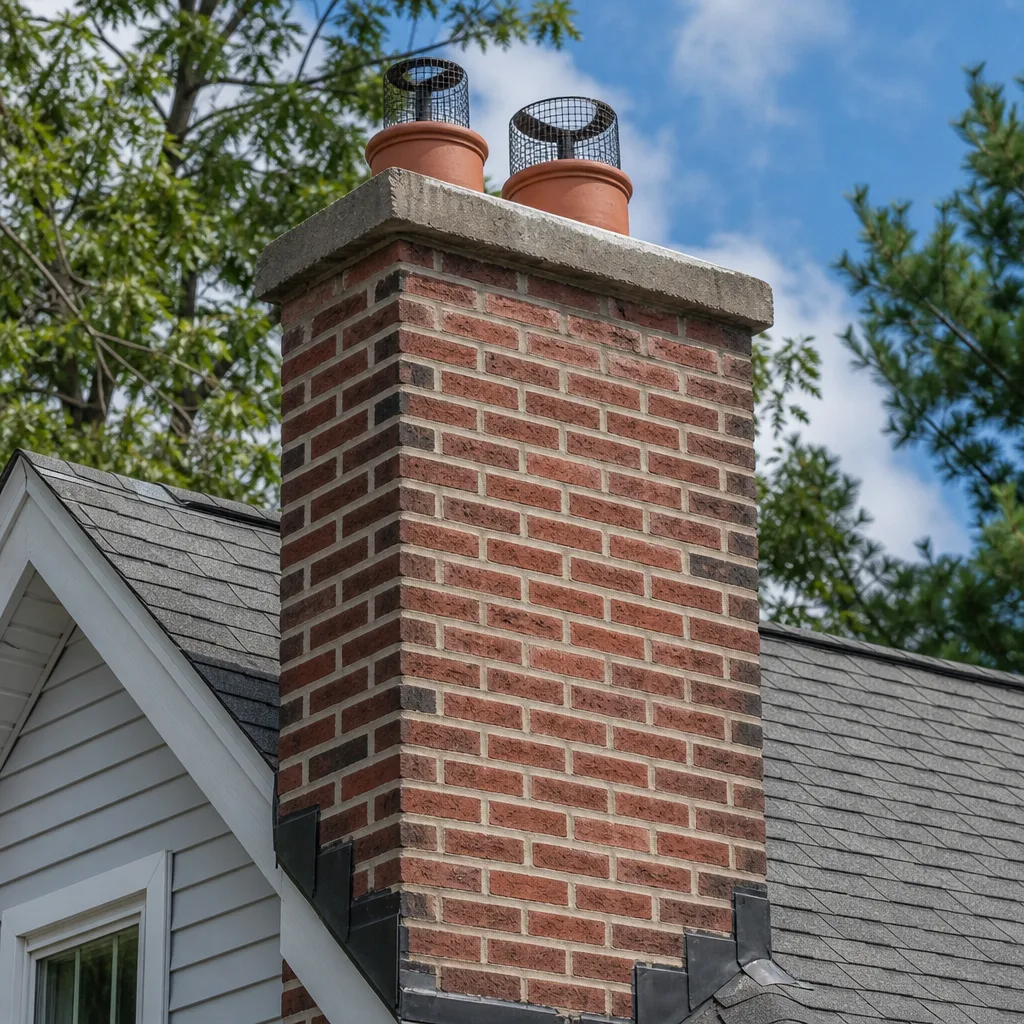
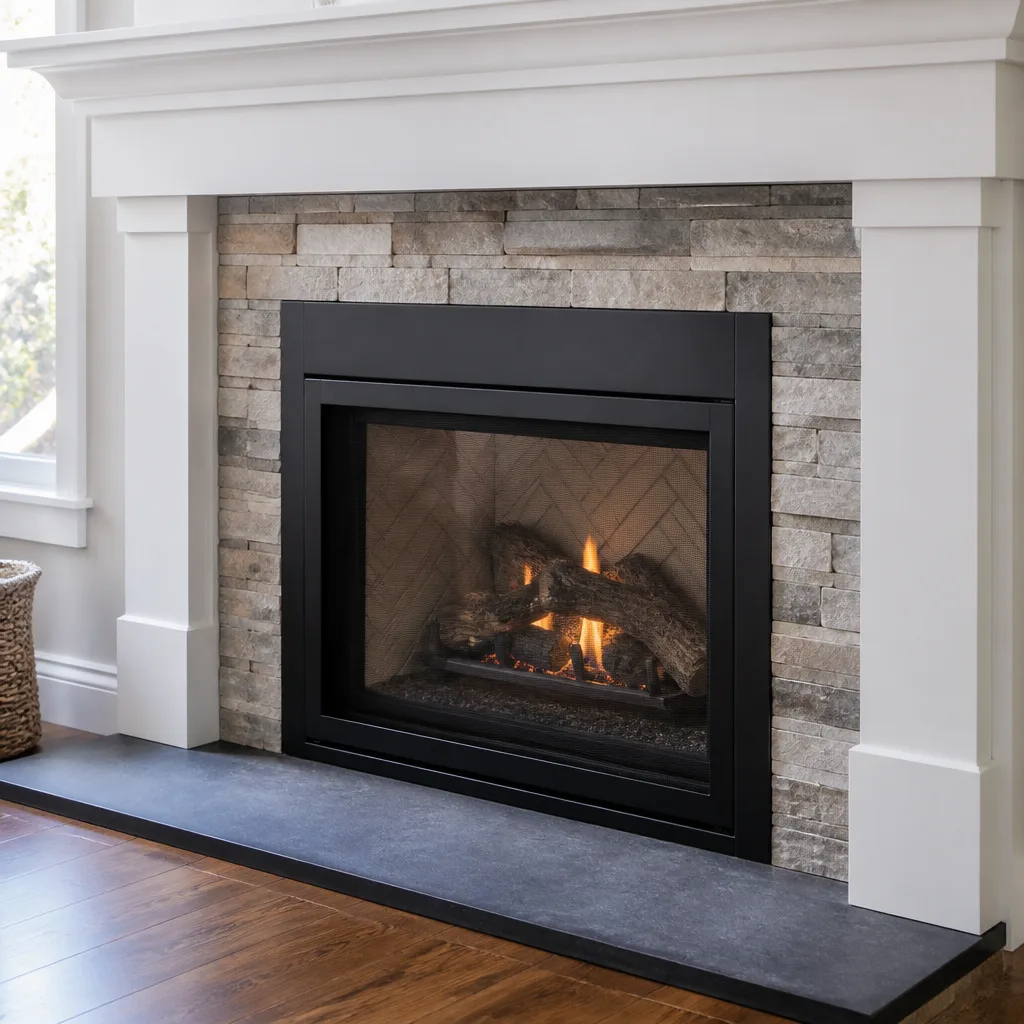
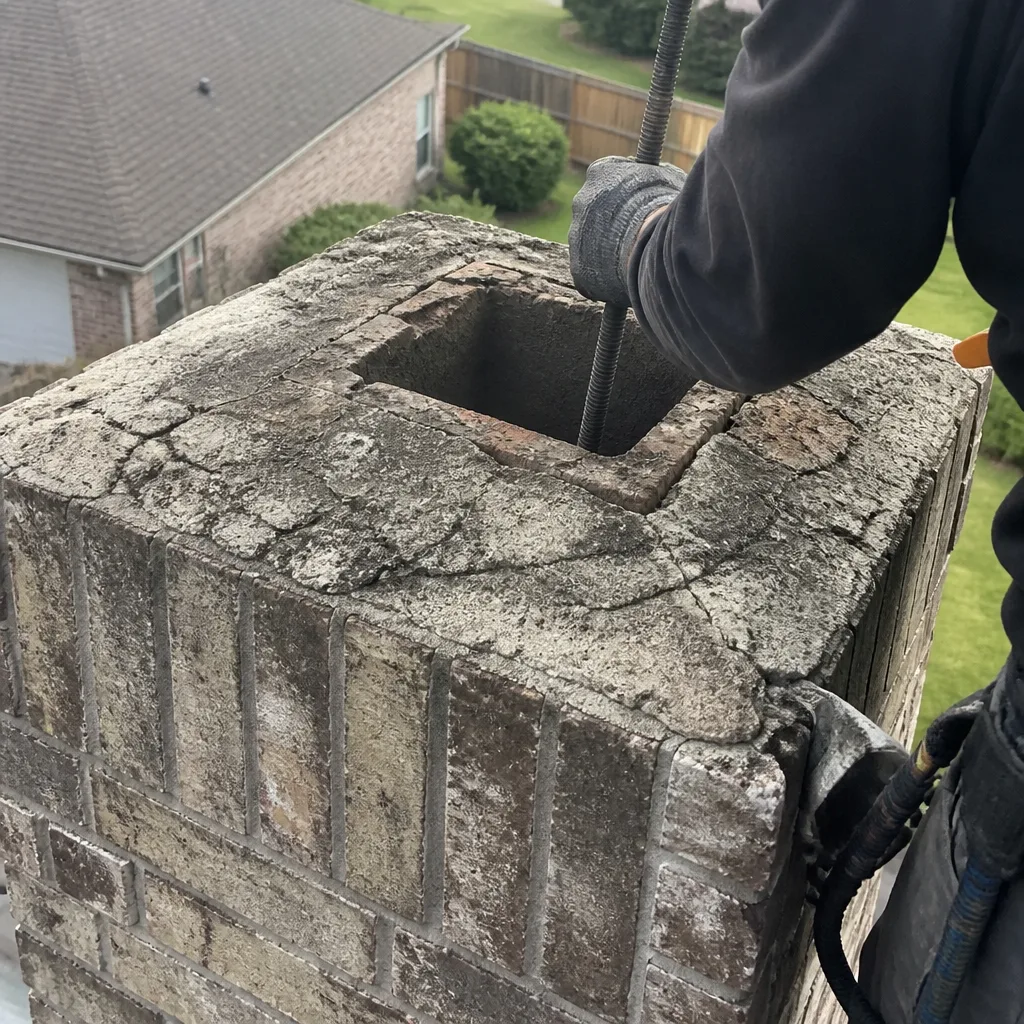 Before
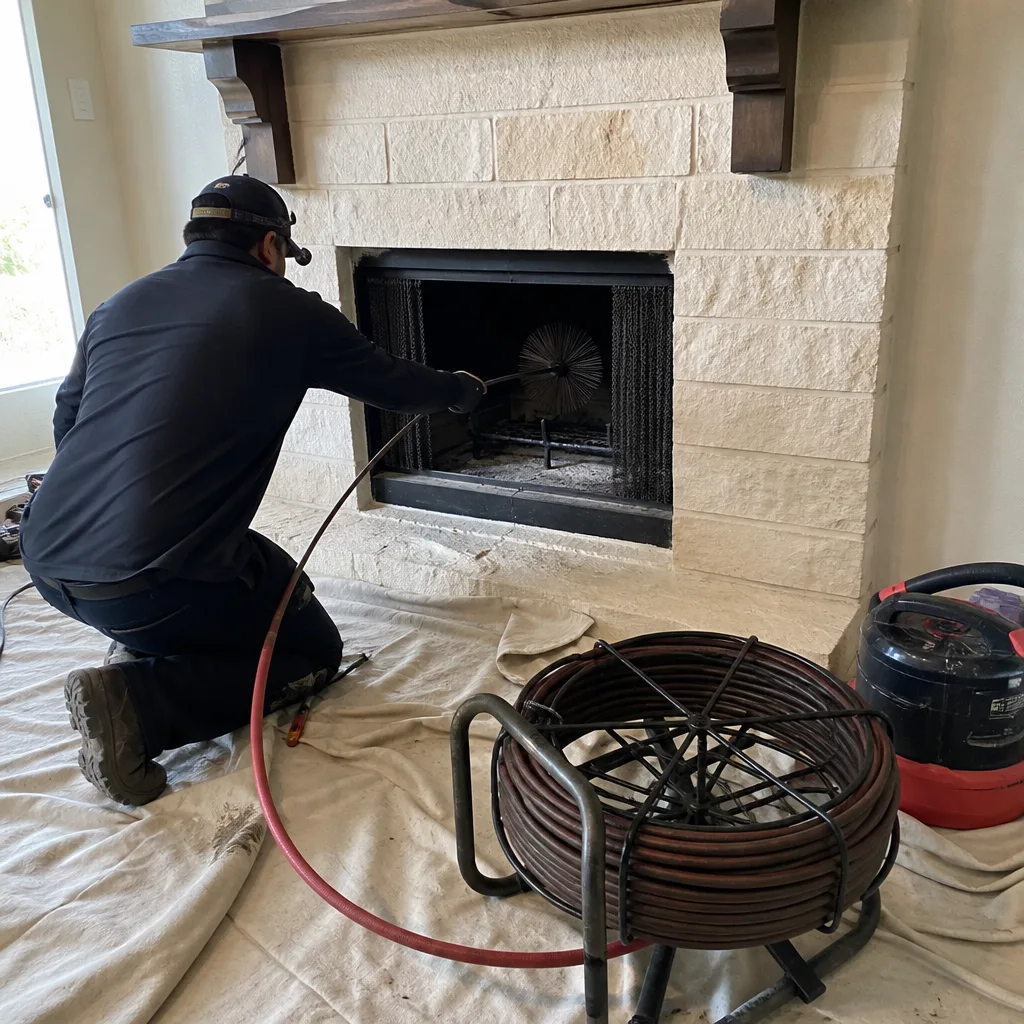 After
After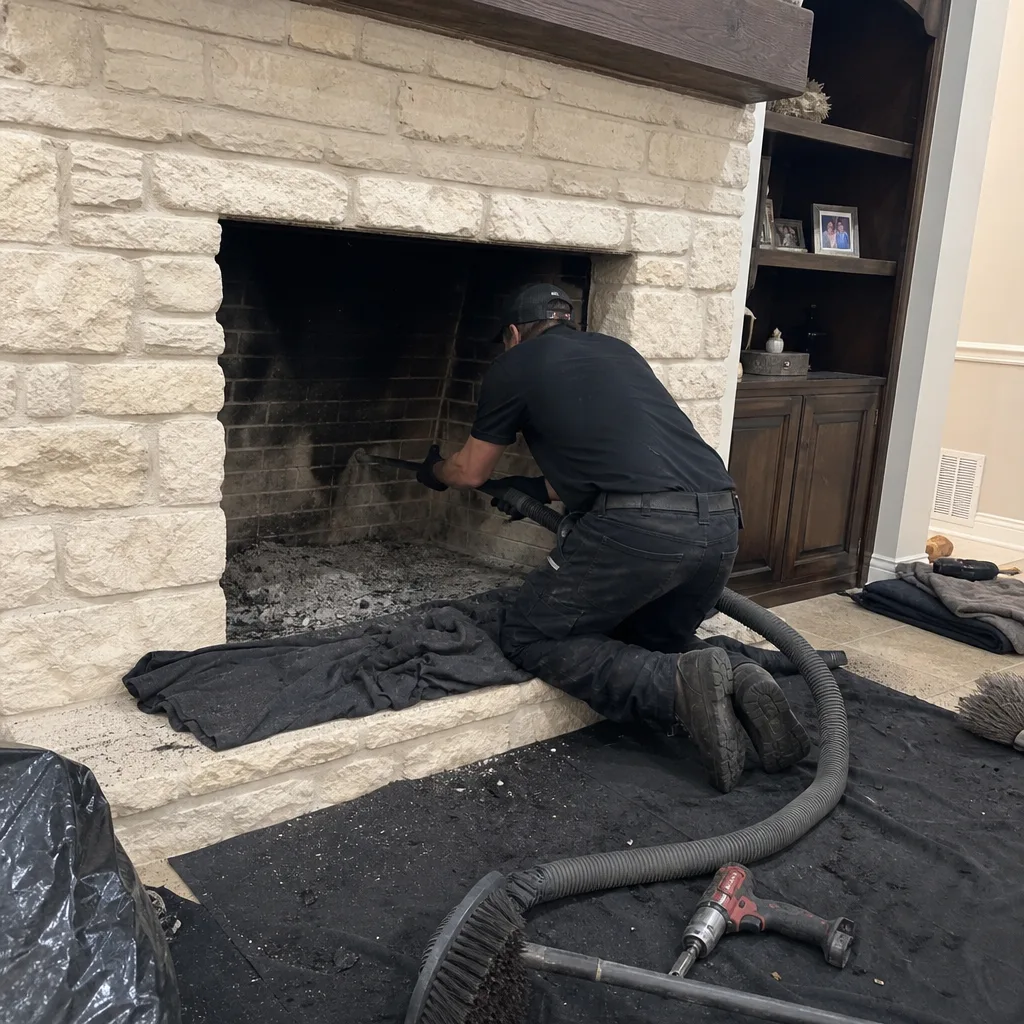 Before
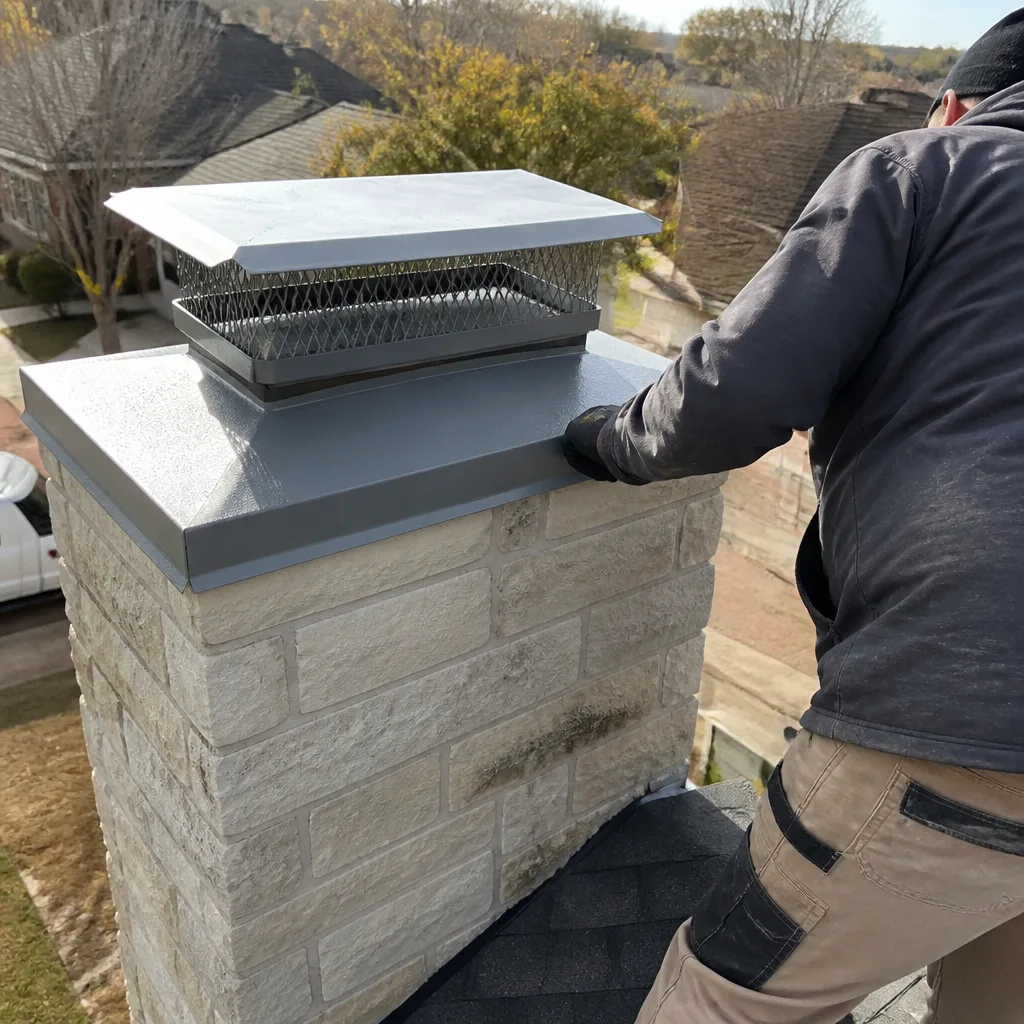 After
After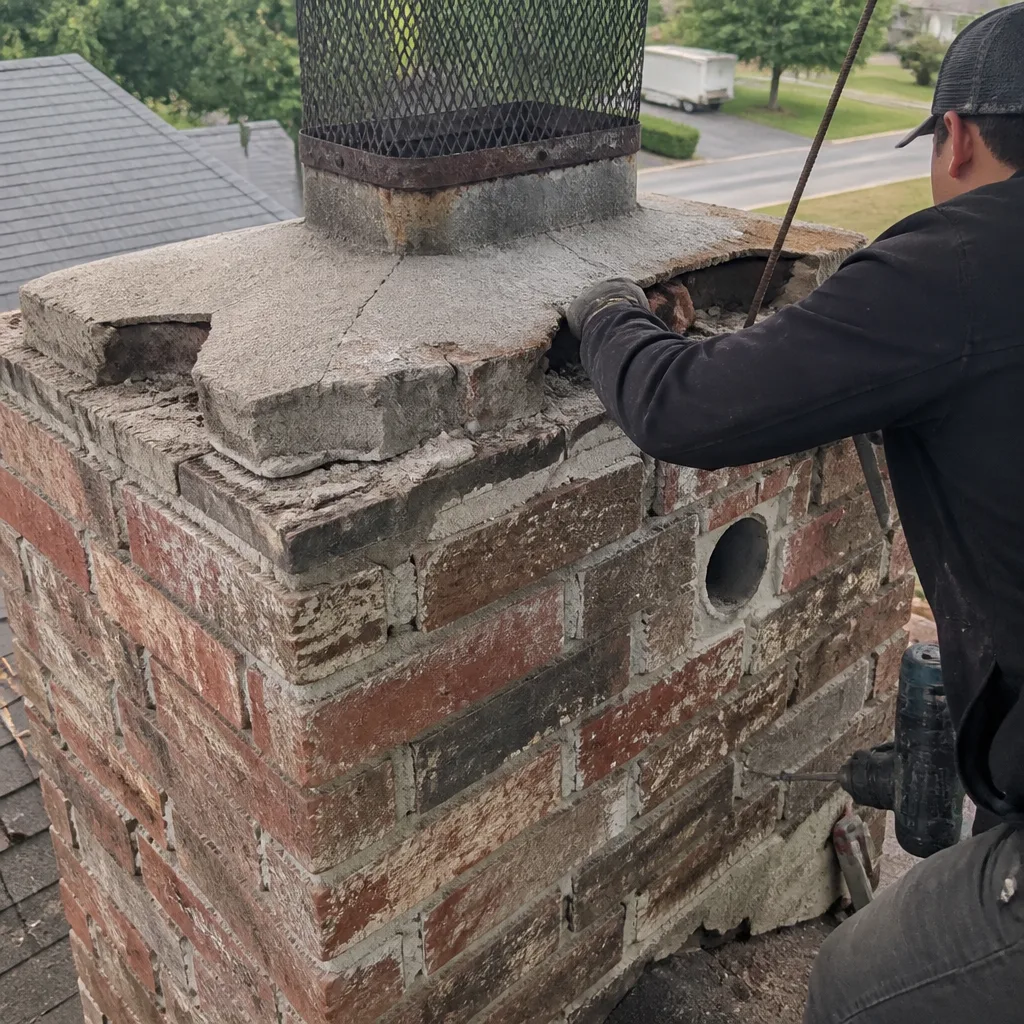 Before
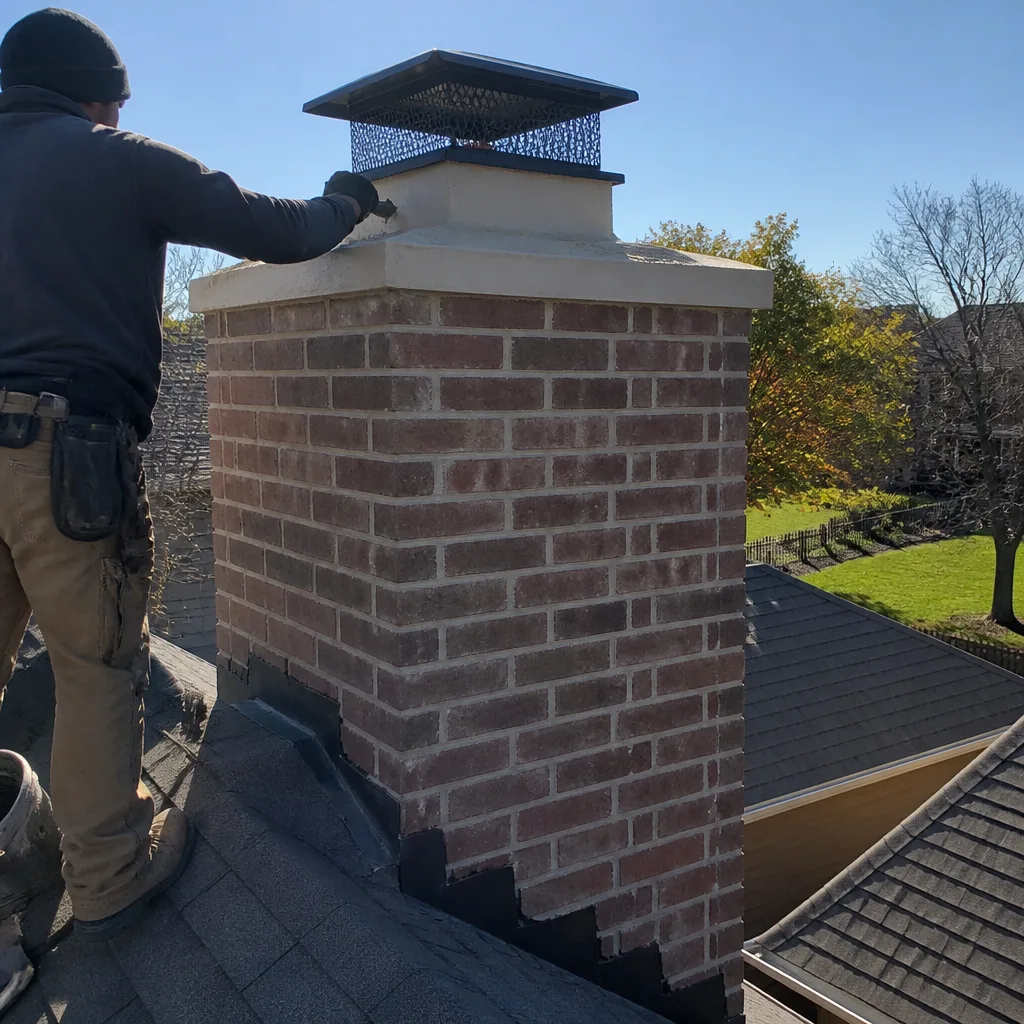 After
AfterChimney Cleaning & Sweep Maintenance Checklist for Frisco Homeowners
Nine out of ten chimney maintenance checklists online list “schedule annual cleaning” as both the first and last step, skipping the seven interim checks that catch problems an annual visit arrives too late to prevent. In Frisco, where North Texas freeze cycles stress masonry from November through March and clay flue liners in 1990s-built homes are hitting their deterioration window, that gap matters. Our Complete Guide to Chimney Cleaning in Frisco covers professional service in depth; this companion article gives you an eleven-point checklist with pass-fail criteria you can verify yourself, plus the documentation habits that turn routine maintenance into a resale asset.
Quick Answer
Frisco homeowners should complete eleven verifiable chimney checkpoints annually: damper seal test, draft verification, firebox crack inspection, flue deposit measurement, crown condition check, cap screen verification, exterior masonry survey, smoke chamber assessment, hearth clearance confirmation, liner interior documentation, and maintenance log update. Seven of these can be done safely from inside the firebox without a ladder; four require roof access or a camera scan and should be handled during a professional Chimney Cleaning & Sweep in Frisco.
Table of Contents
- Why Annual Checks Alone Fail in Frisco
- The 11-Point Maintenance Checklist
- What You Can Check Yourself vs. What Needs a Pro
- Frisco Seasonal Triggers and Calendar Dates
- Documenting Your Findings Between Visits
- What a Maintenance Log Adds to Your Resale File
- Common Mistakes to Avoid
- When to Call a Professional
- Frequently Asked Questions
BeforeAfterWhy Annual Checks Alone Fail in Frisco
The NFPA 211 standard recommends annual inspection for all solid-fuel chimneys. That recommendation assumes a stable operating environment. Frisco’s environment is not stable.
Our clay soils shift with seasonal moisture swings, and that movement transmits to chimney foundations, especially in the Preston Ridge and Stonebriar areas where expansive clay is thickest. A chimney that passed inspection in March can develop a crown crack by October. A flue liner with no visible damage during one burn season can spall after thermal cycling through twenty North Texas freeze-thaw events.
We’ve documented this pattern across our 38,000+ inspections since 2009. The chimneys that fail catastrophically, the ones that make the Frisco Fire Department’s run list, almost always have a common thread: a single annual chimney cleaning & sweep with no interim documentation. The homeowner remembers “it was fine last year.” The firebox crack started in January. The crown separation widened through summer. By the next annual appointment, water has entered the flue, freeze-thaw has accelerated liner deterioration, and what was a $400 repair is now a $3,200 rebuild.
The eleven-point checklist below breaks the maintenance cycle into verifiable steps. Most take under ten minutes. The cumulative record they create, what we call a chimney maintenance log, changes how professional visits work. Instead of starting from zero, your sweep arrives with context, compares current conditions to your documented baseline, and catches acceleration patterns that a single snapshot misses. For related reading, see our Chimney Cleaning Warning Signs: A Frisco Homeowner’s Reference Guide.
The 11-Point Maintenance Checklist
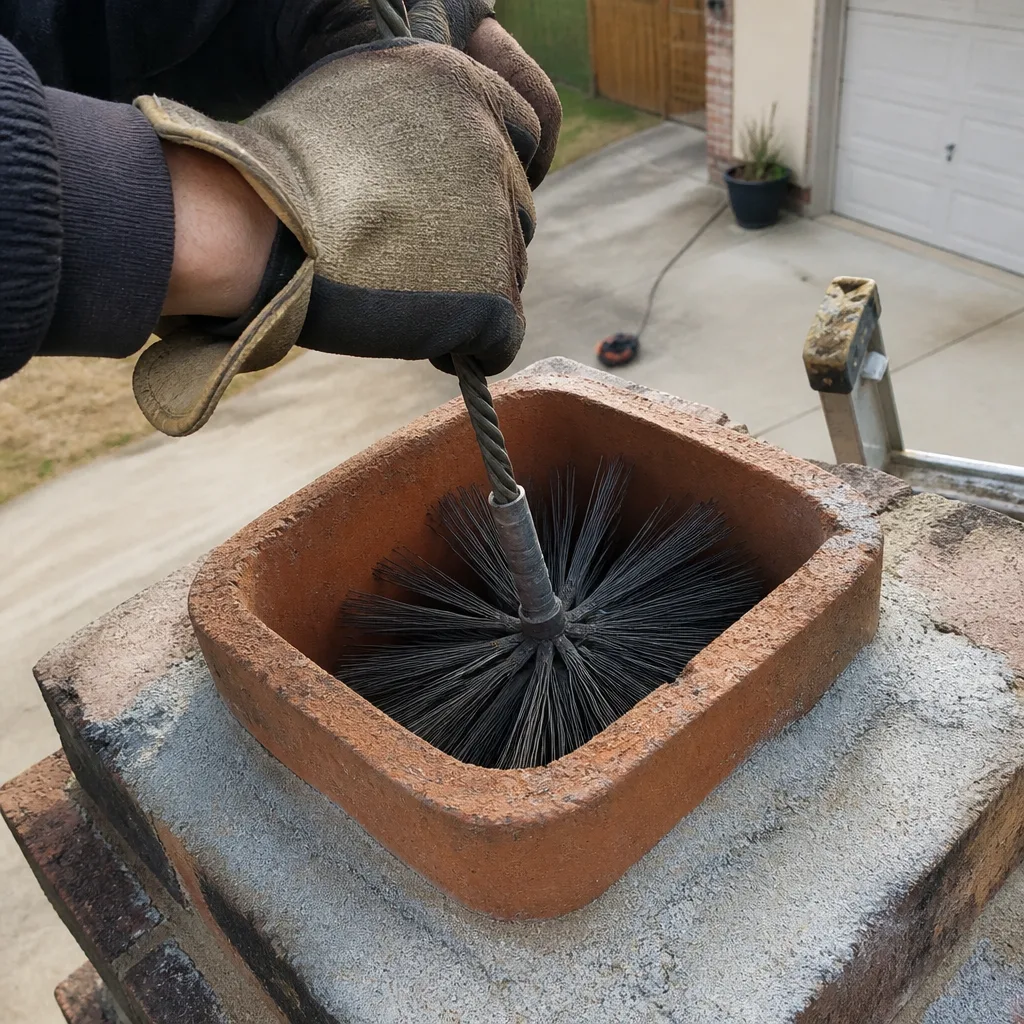
Each checkpoint includes a pass-fail criterion, not an opinion. Record your findings with date and photo.
1. Damper Seal Test
What to check: Close the damper fully. Shine a flashlight up the flue from the firebox. Visible daylight around the damper plate edges indicates a failed seal.
Pass criterion: No visible light leakage. The damper plate seats flush against the frame all around.
Fail criterion: Any daylight visible. Even a 1/8-inch gap allows conditioned air escape and admits outside air, including Frisco’s spring pollen load and summer humidity.
Document: Photo of damper closed from firebox view, photo of any gap with ruler for scale.
2. Draft Verification
What to check: With damper open and no fire lit, hold a lit incense stick or thin ribbon at the firebox opening. Smoke or ribbon movement should draw upward into the flue.
Pass criterion: Consistent upward draw within 10 seconds of opening the damper.
Fail criterion: Smoke drifts into the room, or draw is weak enough that ribbon hangs vertically. In Frisco, weak draft often correlates with cap blockage from cottonwood seed (May-June) or post-storm debris.
Document: Video of test showing draw direction, note outdoor temperature and wind conditions.
3. Firebox Crack Measurement
What to check: Inspect all firebox refractory panels or masonry for cracks. Use a standard business card (3.5 inches) as a width gauge.
Pass criterion: Hairline cracks under 1/16 inch with no displacement. No cracks extend through full panel thickness.
Fail criterion: Any crack wider than a business card edge (approximately 1/16 inch), any crack with offset between sides, or any crack that penetrates full thickness. These allow heat transfer to combustible framing.
Document: Photo with business card or ruler adjacent to crack for scale. Note crack location (left panel, rear panel, etc.).
4. Flue Deposit Measurement
What to check: From the firebox, use a flashlight to examine flue liner walls. Use a fireplace poker or dedicated scraper to test deposit thickness.
Pass criterion: Deposits under 1/8 inch, powdery or flaky texture (Class I or II creosote, which is normal combustion residue).
Fail criterion: Deposits exceeding 1/8 inch, or any glazed, tar-like, or hardened black coating (Class III creosote, which is concentrated fuel for chimney fires). In Frisco, Class III buildup accelerates when homeowners burn unseasoned oak from local tree services.
Document: Photo of flue wall with poker tip for scale, note estimated deposit thickness and texture class.
5. Crown Condition Check
What to check: From ground level with binoculars, or from the roof if you have safe ladder access, examine the concrete crown at the chimney top.
Pass criterion: No visible cracks, no ponding water, crown overhangs masonry by minimum 2 inches on all sides.
Fail criterion: Any crack wider than 1/8 inch, any spalling or flaking concrete, crown flush with or recessed below brick course, or any vegetation growth. Frisco’s freeze-thaw cycle turns crown cracks into water entry points within one season.
Document: Photo from consistent angle, note crack locations with clock-face reference (12 o’clock, southwest corner, etc.).
6. Cap Screen Mesh Size
What to check: Examine chimney cap screen openings. Measure or estimate mesh size.
Pass criterion: Mesh between 3/4 inch and 5/8 inch. Screen intact, no rust-through, cap lid seated properly.
Fail criterion: Mesh larger than 3/4 inch (allows animal entry, common for Frisco’s squirrel and raccoon populations), mesh smaller than 1/2 inch (restricts draft and traps creosote), or any screen damage. Also fail if cap is missing entirely.
Document: Photo of mesh with ruler, note cap brand if visible (we install Gelco and Copperfield caps through our Haven buying network).
7. Exterior Masonry Survey
What to check: From ground level, examine all visible chimney brick or stone for spalling, mortar loss, and lean.
Pass criterion: No brick faces flaking off, mortar joints recessed less than 1/4 inch from brick face, chimney plumb within 1 inch per 10 feet of height.
Fail criterion: Any spalling (brick surface popping off, exposing porous interior), mortar joints recessed more than 1/2 inch, or visible lean. In Frisco’s older neighborhoods like Frisco Square original builds, mortar deterioration from 1990s construction is now common.
Document: Photo of any spalled brick with surrounding context, note height and face direction.
8. Smoke Chamber Assessment
What to check: From the firebox, look upward at the smoke chamber (the area above the damper, below the flue). Use a flashlight and small mirror if needed.
Pass criterion: Walls smooth or corbeled (stepped) without exposed mortar gaps. No significant creosote buildup.
Fail criterion: Exposed mortar joints, rough or deteriorated surface, or creosote accumulation exceeding 1/4 inch. The smoke chamber is the most common hidden failure point in chimney fires; NFPA 211 requires parging (smoothing) when deterioration is found.
Document: Photo from mirror reflection if possible, note chamber condition and any visible gaps.
9. Hearth Clearance Confirmation
What to check: Measure from firebox opening to nearest combustible material: mantel, trim, flooring, furniture placement.
Pass criterion: Minimum 6 inches to mantel sides, 12 inches to mantel top, or per manufacturer’s plate if different. Non-combustible hearth extension extends minimum 16 inches in front, 8 inches sides. For more guides & resources on fireplace safety and maintenance, visit our blog.
Fail criterion: Any measurement below minimum, or any combustible material closer than specified. Common Frisco issue: homeowners add decorative mantels or shelving without checking clearance.
Document: Photo with tape measure visible, note all clearances measured.
10. Liner Interior Documentation
What to check: This requires a chimney camera. From the firebox, a professional camera scan examines the full flue liner length for cracks, gaps, and deterioration.
Pass criterion: Continuous liner surface, no cracks visible on camera, no gaps at joints, no spalling or tile displacement.
Fail criterion: Any crack penetrating liner thickness, any gap at tile joints exceeding 1/8 inch, any spalling or missing tile sections. Clay tile liners in Frisco homes built 1985-2005 are now reaching failure age; we’ve replaced liners in homes throughout The Trails and Phillips Creek Ranch where original construction used lower-grade terra cotta.
Document: Video record from camera scan, with timestamp and technician notation. Under Clause 4 of the Haven Standard, we provide this documentation on every professional visit.
11. Maintenance Log Update
What to check: Compile all photos, measurements, and notes into dated record.
Pass criterion: Log contains date, all eleven checkpoint results, photo filenames cross-referenced to checkpoints, and any professional visit records appended.
Fail criterion: Missing checkpoints, undated entries, or photos without scale references.
Document: Digital folder or physical binder with chronological organization. Include professional inspection reports and camera scan videos.
What You Can Check Yourself vs. What Needs a Pro
The table below separates checkpoints by access requirement and safety risk. Do not attempt roof access without proper ladder, fall protection, and experience. Chimney height on two-story Frisco homes commonly exceeds 25 feet.
| Checkpoint | Location | Homeowner Safe? | Professional Tool Needed |
|---|---|---|---|
| 1. Damper Seal Test | Firebox | Yes | None |
| 2. Draft Verification | Firebox | Yes | None |
| 3. Firebox Crack Measurement | Firebox | Yes | Ruler or business card |
| 4. Flue Deposit Measurement | Firebox | Yes | Poker or scraper |
| 5. Crown Condition Check | Rooftop or ground with binoculars | Ground only; roof requires pro | Binoculars or ladder access |
| 6. Cap Screen Mesh Size | Rooftop or ground with binoculars | Ground only; roof requires pro | Binoculars or ladder access |
| 7. Exterior Masonry Survey | Ground level | Yes | None |
| 8. Smoke Chamber Assessment | Firebox with mirror | Yes, with care | Flashlight, small mirror |
| 9. Hearth Clearance Confirmation | Hearth area | Yes | Tape measure |
| 10. Liner Interior Documentation | Full flue length | No | Chimney camera (NFPA 211 Level 2) |
| 11. Maintenance Log Update | Office/home | Yes | Digital or physical filing |
Seven of eleven checkpoints require no ladder and no special equipment. These should be completed in early October, before first use, and again in late March, after final burn. The four requiring professional access, crown, cap, and liner interior, are included in our standard Chimney Cleaning & Sweep in Frisco service.
For the roof-access items, we do not recommend homeowner ladder work. Frisco’s composite shingle roofs, common in developments like Newman Village and later phases of Stonebriar, are steeply pitched for water shedding and become slick with morning dew or pollen film. Our technicians arrive with ladder stabilizers, roof anchors where applicable, and the camera equipment for simultaneous liner inspection.
Frisco Seasonal Triggers and Calendar Dates
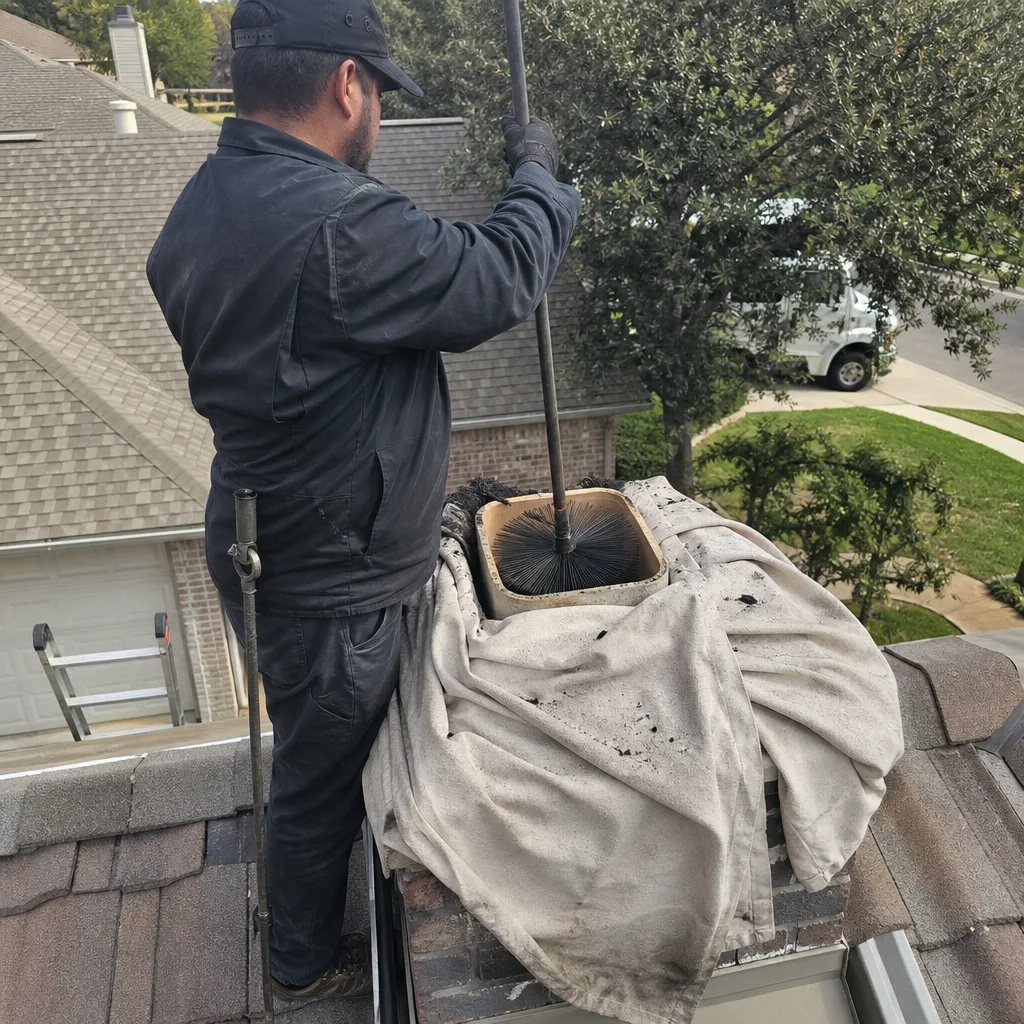
North Texas first freeze data gives Frisco homeowners a hard calendar date, not a guess. Based on National Weather Service records for Denton County, the median first freeze occurs November 12. The earliest recorded first freeze: October 22. The latest: December 8.
This date range creates three maintenance windows:
- Pre-season verification: October 1-15. Complete all seven homeowner checkpoints. Schedule professional service if roof-access items or liner camera work is due. This window ensures completion before early freeze risk and avoids the October scheduling crush.
- Mid-season check: January 15-31. Re-run firebox and flue deposit checks. Document any changes from October baseline. This catches accelerated creosote buildup from holiday burning patterns and identifies any firebox crack propagation after thermal cycling.
- Post-season documentation: March 15-31. Final homeowner checkpoint round. Photograph end-of-season conditions. Schedule any needed repairs before spring rains begin the moisture-loading cycle that accelerates masonry deterioration through summer.
Frisco’s specific climate factors affect timing:
- Wind-driven rain: March-May thunderstorms with sustained 25+ mph winds force water into crown cracks and failed flashing. Post-season inspection timing catches winter damage before spring rains exploit it.
- Hail impact: April-June hail events damage chimney caps and can fracture clay liner tops. Our post-hail calls from Frisco spike 40-60% in the weeks after major events. A documented pre-storm condition helps insurance claims.
- Drought-shrinkage cycles: Summer 2022-2023 drought conditions in Collin County caused record foundation movement. Chimneys in Frisco’s western subdivisions, built on more expansive clay, showed separation from rooflines and exterior cracking. Annual documentation proves pre-existing condition versus new damage.
Documenting Your Findings Between Visits
A maintenance log is only useful if it’s organized, accessible, and legible to someone other than its creator. We’ve reviewed hundreds of homeowner logs. The ones that actually help during service calls or real estate transactions share a structure.
Digital Format (Recommended)
Create a dedicated folder: “123 Main St – Chimney Log.” Subfolders by year. Each inspection date gets a folder containing:
- Photo files renamed to checkpoint_number_brief_description (e.g., “03_firebox_crack_left_panel_2mm”)
- Text file or spreadsheet with dated measurements
- PDF of any professional inspection report
- Video files from camera scans, with technician name and company noted
Cloud backup is essential. We’ve had Frisco homeowners lose documentation in house fires, ironically, where the chimney was involved. A Google Drive or iCloud copy survives.
Physical Format
Three-ring binder with plastic sheet protectors. Print photos with handwritten annotations. Include business cards of service companies. Store in fireproof document box if possible.
What to Record at Each Checkpoint
Beyond pass-fail, record context that explains variation:
- Outdoor temperature and weather during draft test (temperature differential affects draft strength)
- Wood species burned since last check (oak, mesquite, pecan, or mixed)
- Estimated burn hours (weekly fires vs. daily heating use)
- Any unusual events: chimney fire signs (puffy creosote, discolored metal), severe weather, nearby construction vibration
When you call Level Two Chimney Frisco home for service, email or text your log in advance. Our technician reviews it before arrival, brings appropriate materials if patterns suggest specific needs, and spends appointment time on current conditions rather than baseline establishment.
What a Maintenance Log Adds to Your Resale File
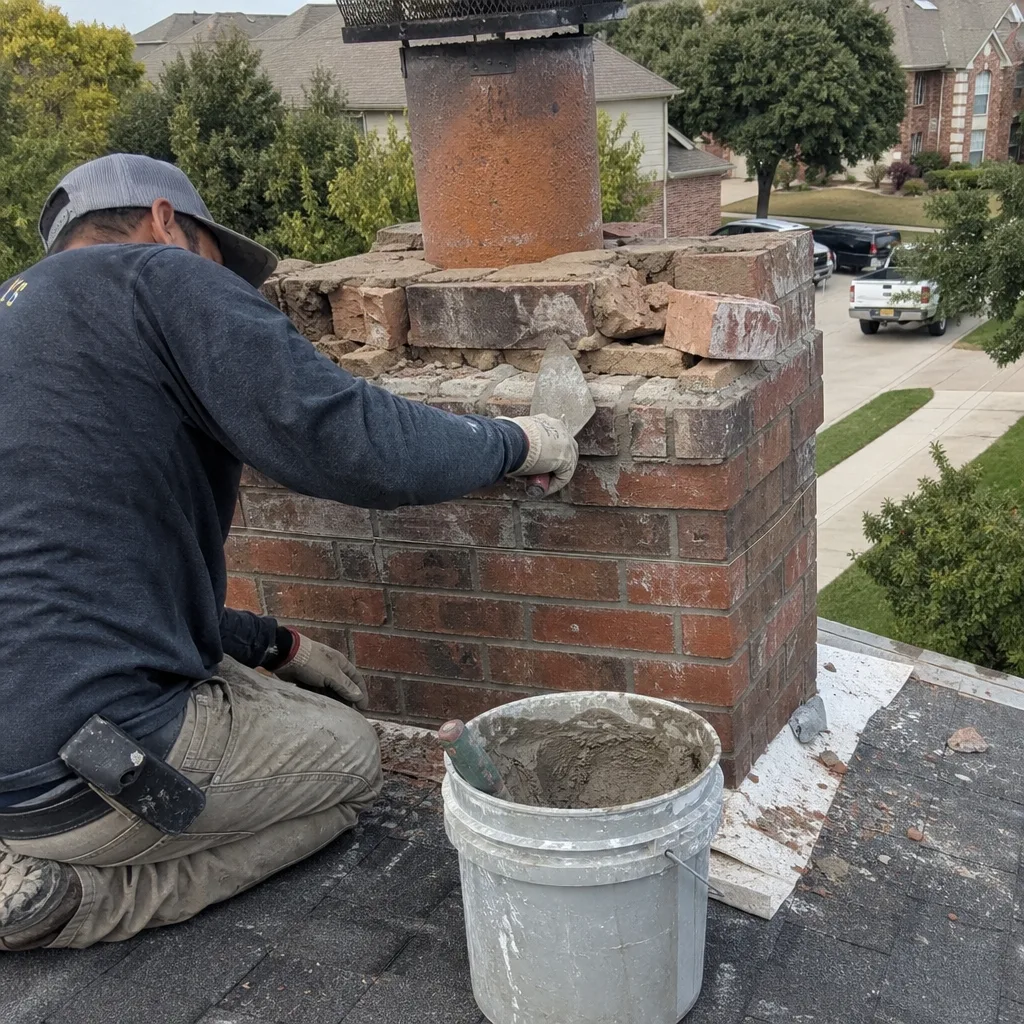
Frisco’s real estate market moves fast. Homes in The Grove, Hollyhock, and Lawler Park commonly list and sell within 30 days. Buyer’s inspectors, working under Texas Real Estate Commission standards, have specific chimney protocols that slow or kill transactions when documentation is absent.
Here’s what Frisco-area inspectors are trained to ask for:
- Date of most recent chimney inspection, and whether it was Level 1 (visual) or Level 2 (camera scan)
- Evidence of cleaning: invoice with company name, date, and scope
- Documentation of any repairs: what was done, by whom, with warranty
- Current condition of flue liner, specifically whether clay tile, stainless steel, or no liner is present
- Functional status of damper and any gas log ignition system
A complete maintenance log preempts these questions. More importantly, it shifts the conversation from “when was this last looked at?” to “here’s the documented history.” In competitive Frisco markets, that confidence factor matters. We’ve had sellers call us specifically to generate a camera-scan record and written condition report for listing preparation, knowing that documentation in the disclosure package reduces inspection renegotiation.
The Haven Standard’s Clause 4 documentation, photo record on every visit since 2009, means our Frisco customers have this asset built in. If you’ve used another provider, request your records now. Texas law requires chimney service companies to maintain records, but retention periods vary. Don’t discover at listing time that your prior sweep’s records were purged after three years.
Common Mistakes to Avoid
- Using a flashlight alone for flue inspection. A flashlight from the firebox illuminates only the bottom third of most flues. Creosote buildup and liner cracks in the upper flue, where temperatures peak and thermal stress concentrates, remain hidden without a camera scan.
- Assuming “no smell” means “no problem.” Carbon monoxide from a leaking flue is odorless. Draft problems from a blocked cap or failed liner often produce no visible smoke indoors until conditions are dangerous. The draft verification test in our checklist catches this before it becomes hazardous.
- Burning unseasoned wood from Frisco tree services. Fresh-cut oak and pecan from local removals contain 40-60% moisture. It takes 12-18 months to season to the 20% threshold for safe burning. Unseasoned wood produces Class III creosote at 3-4x the rate of properly dried fuel.
- Ignoring the smoke chamber. Homeowners inspect firebox panels diligently but rarely examine the smoke chamber above the damper. This transition zone, where flue gases slow and cool, accumulates the most concentrated creosote deposits and is the ignition point in most chimney fires.
- Skipping post-hail inspection. Frisco’s position on the southern edge of Tornado Alley means annual hail exposure. Cap dents, crown cracks from impact vibration, and liner top fractures are invisible from ground level but documented with camera access.
- Using “chimney sweeping logs” as replacement for mechanical cleaning. These products loosen light creosote but do not remove it. The loosened material falls to the smoke chamber and firebox, creating a concentrated fuel load near the ignition source. They supplement but do not replace professional sweep with rotary brushes.
- Failing to update the log after “minor” changes. New mantel installation, furniture rearrangement, or even a thick area rug added near the hearth can violate clearance requirements. Document the baseline, then document any change.
When to Call a Professional
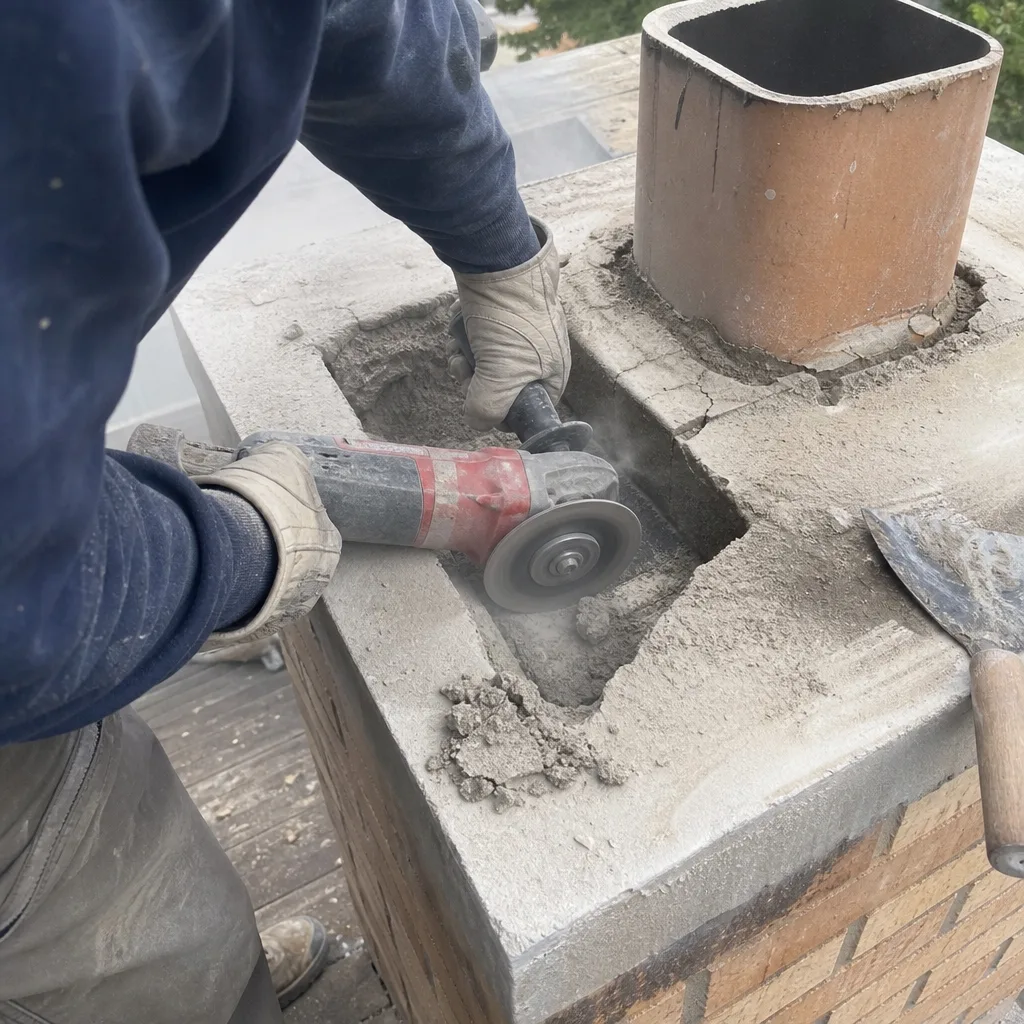
Call for service when any checkpoint fails, when you observe puffing creosote (indicates prior chimney fire), or when draft test shows persistent reversal regardless of weather conditions. In Frisco, we also recommend professional evaluation after any foundation work, significant landscaping grade change, or hail event with documented roof damage.
Level Two Chimney Frisco offers free estimates in Frisco. Our standard service includes the NFPA 211 Level 2 camera inspection, written price before work starts under Haven Standard Clause 1, and documented photo record under Clause 4. Call (940) 290-7230 to schedule or to request a free second opinion on any competitor’s written estimate.
Frequently Asked Questions
Chimney cleaning and inspection in Frisco typically ranges from $199 to $349 for a standard NFPA 211 Level 2 service with camera scan, depending on flue configuration, accessibility, and whether animal removal or heavy creosote remediation is needed. We provide a written price before any work starts, with no variation after arrival. Call (940) 290-7230 for an exact quote; estimates are free.
The NFPA 211 standard requires annual inspection for all solid-fuel chimneys. Cleaning frequency depends on use: occasional decorative fires may need cleaning every 2-3 years, while daily heating use requires annual or more frequent service. Frisco’s clay soil movement and freeze-thaw exposure make the annual inspection non-negotiable regardless of use, since structural damage can occur with zero burning.
You need liner replacement when camera inspection shows cracks penetrating full tile thickness, gaps at joints exceeding 1/8 inch, or missing sections that expose combustible framing to flue gases. We do not recommend liner replacement without camera evidence you can see yourself. In some Frisco homes built 1985-2005 with lower-grade terra cotta, liners reach failure age even without visible external damage. When work can safely wait, we say so plainly.
Skipped maintenance leads to three predictable outcomes: creosote accumulation to ignition-ready thickness (chimney fire risk), undetected liner or masonry damage allowing carbon monoxide leakage into living space, and accelerated deterioration from water entry that turns a $400 repair into a $3,000+ rebuild. In Frisco specifically, foundation movement and freeze-thaw cycling compound these risks beyond national averages.
Homeowners can complete the seven firebox-access checkpoints in our checklist safely. Mechanical flue cleaning with rotary brushes requires roof or ladder access, proper brush sizing for your flue dimension, and containment of falling debris. We do not recommend DIY mechanical cleaning for multi-story chimneys or any chimney with suspected liner damage. The safety caveat: if you find Class III glazed creosote, stop and call a professional; this material requires chemical treatment and specialized removal, and improper handling risks ignition.
Level 1 is a visual examination of readily accessible portions, appropriate for chimneys with unchanged conditions and continued normal use. Level 2 includes camera scan of the full flue interior, accessible portions of attics and crawl spaces, and examination of exterior, plus written documentation. In Frisco, where clay soil movement and aging liner stock create hidden failure modes, we perform Level 2 as our default on every visit, not an upgrade. This practice, continuous since 2009, became Clause 4 of the Haven Standard.
Yes. Frisco buyer’s inspectors specifically request chimney service history. A documented log with dated photos, professional reports, and camera scan videos answers their questions immediately, reduces inspection renegotiation, and demonstrates proactive maintenance that buyers value in competitive markets. We’ve provided retrospective documentation packages for sellers who used our service; the cost of assembling records after years of neglect far exceeds maintaining the log as you go.
The Bottom Line
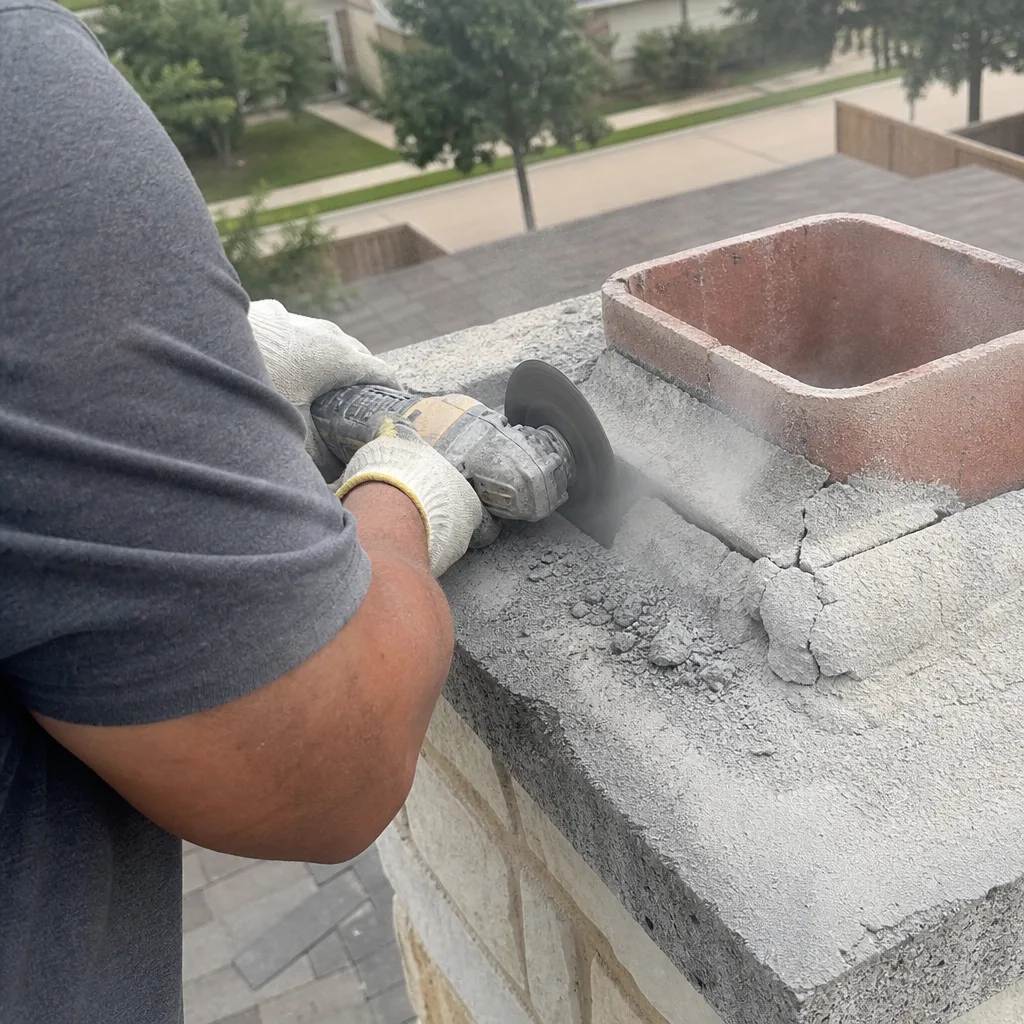
Annual “have it cleaned” advice leaves Frisco homeowners vulnerable to the hidden damage patterns that North Texas climate and soil create. An eleven-point checklist with pass-fail criteria, completed twice yearly by the homeowner and supplemented with professional camera inspection, catches problems while they’re still measured in hundreds of dollars rather than thousands. The maintenance log you build becomes a service asset, a safety record, and eventually a real estate advantage. Documentation is the difference between guessing and knowing; we’ve built our practice on that distinction since 2009.
Written by Corrine Halstead, Owner at Level Two Chimney Frisco, serving Frisco since 2009.