
Last updated September 22, 2026
Level 1 sweep and inspection to the NFPA 211 annual standard - flue, crown, cap, and flashing checked and photographed
Chimney sweep logs do not sweep chimneys. They loosen some creosote - which then falls where a brush and vacuum still have to collect it.
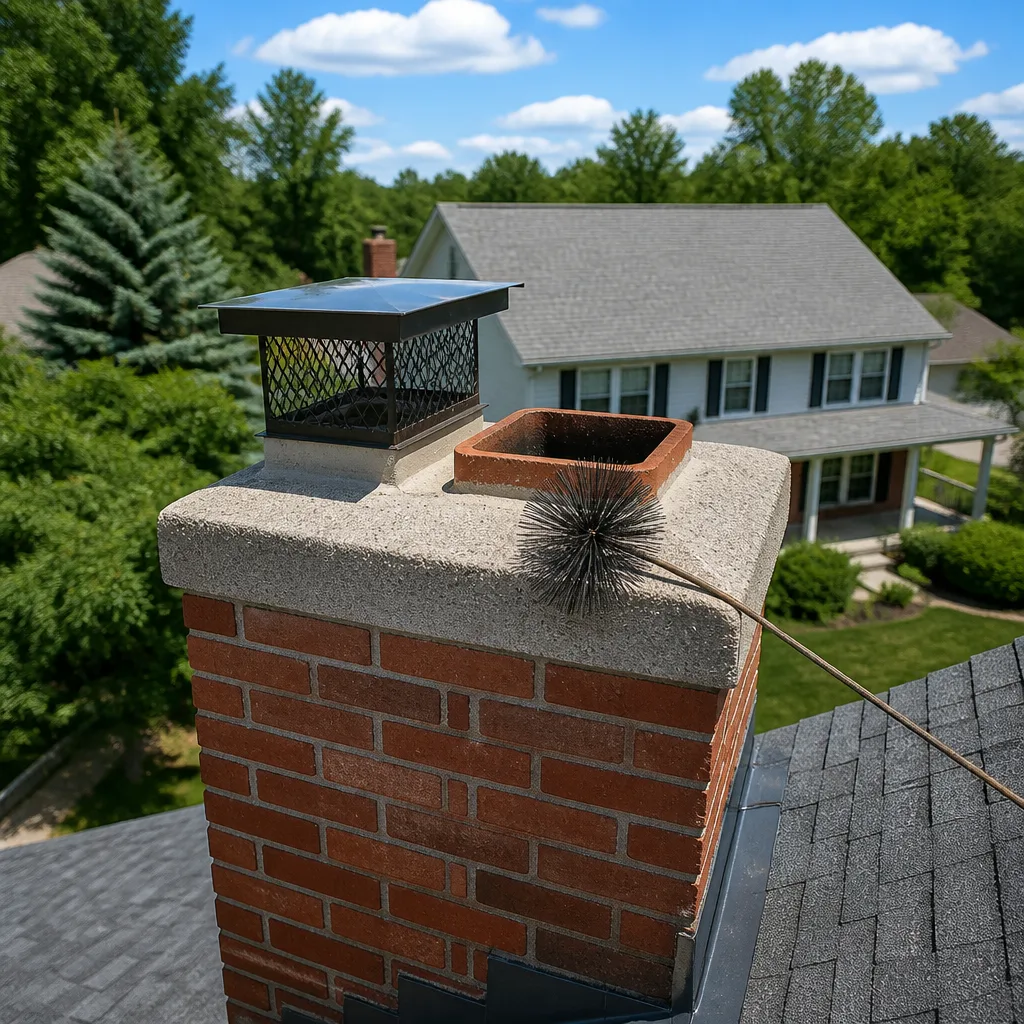
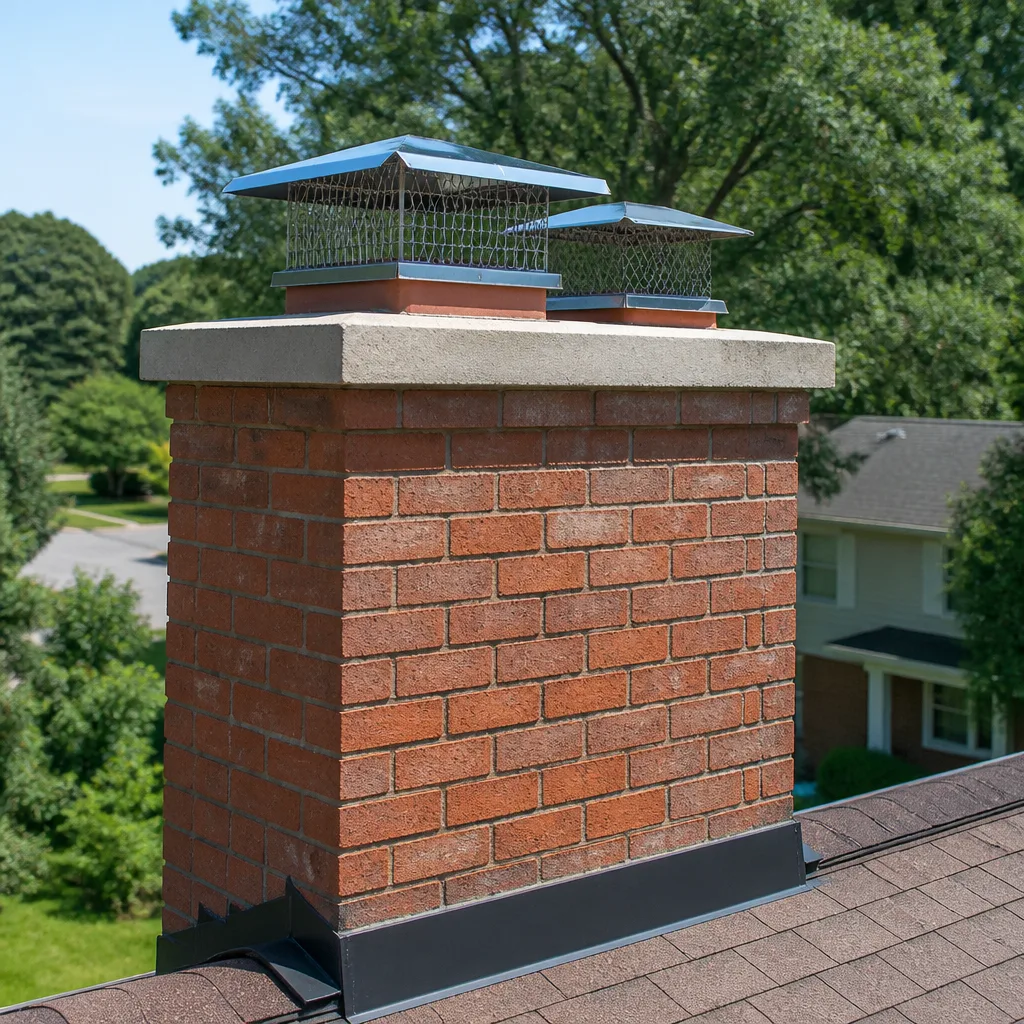
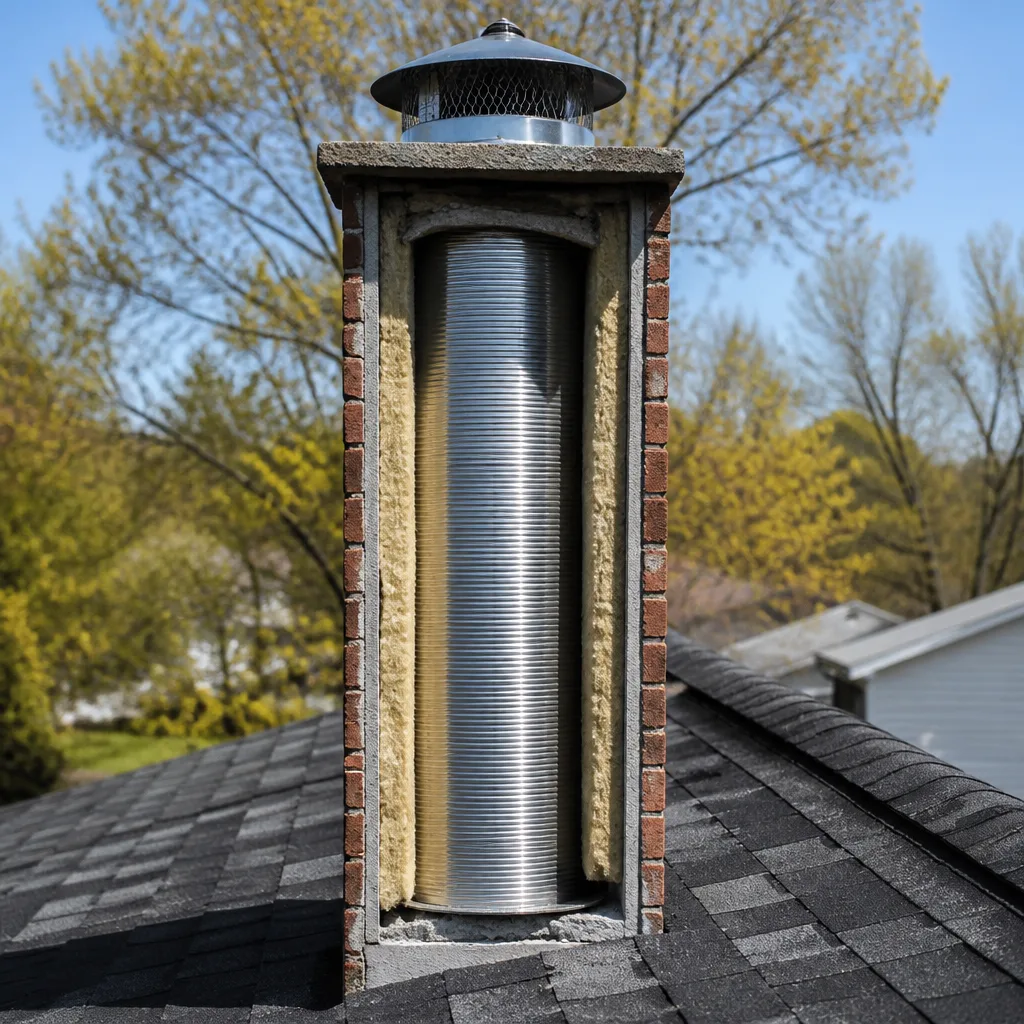
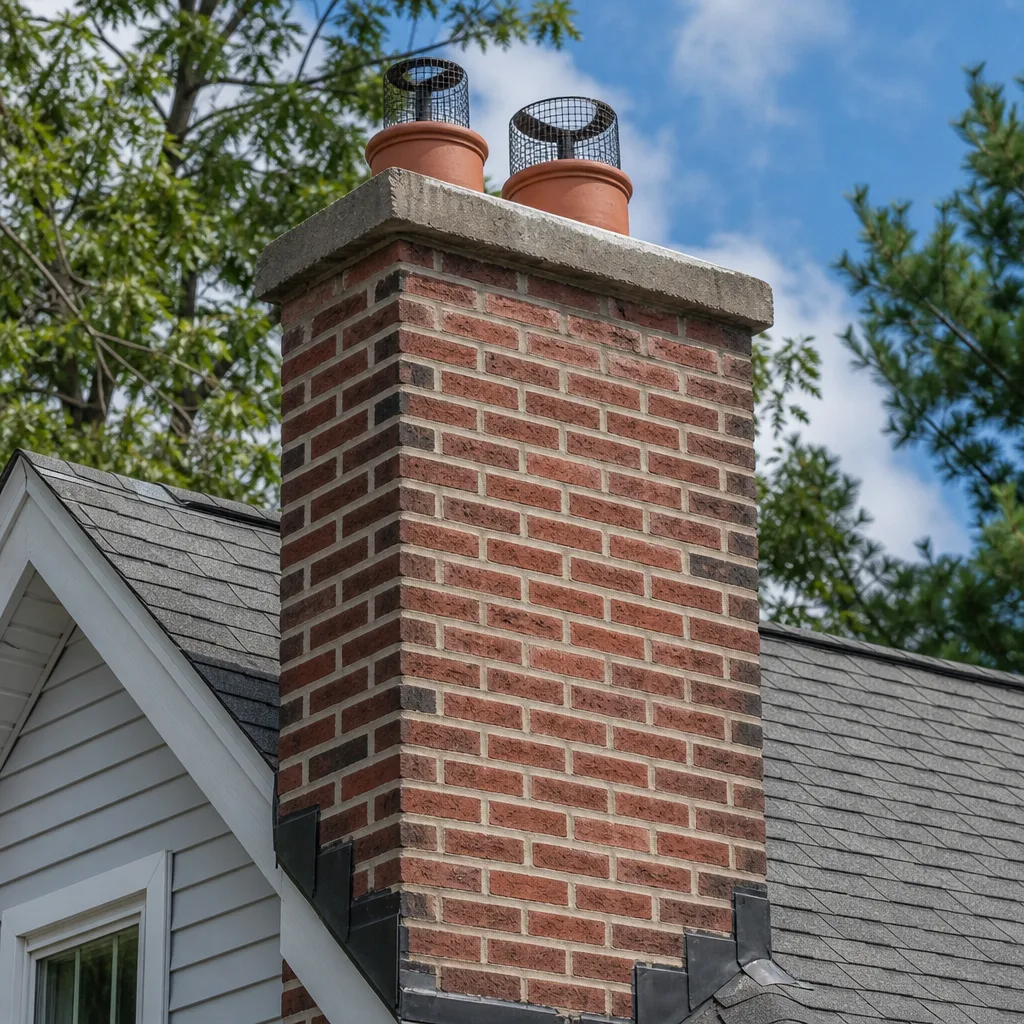
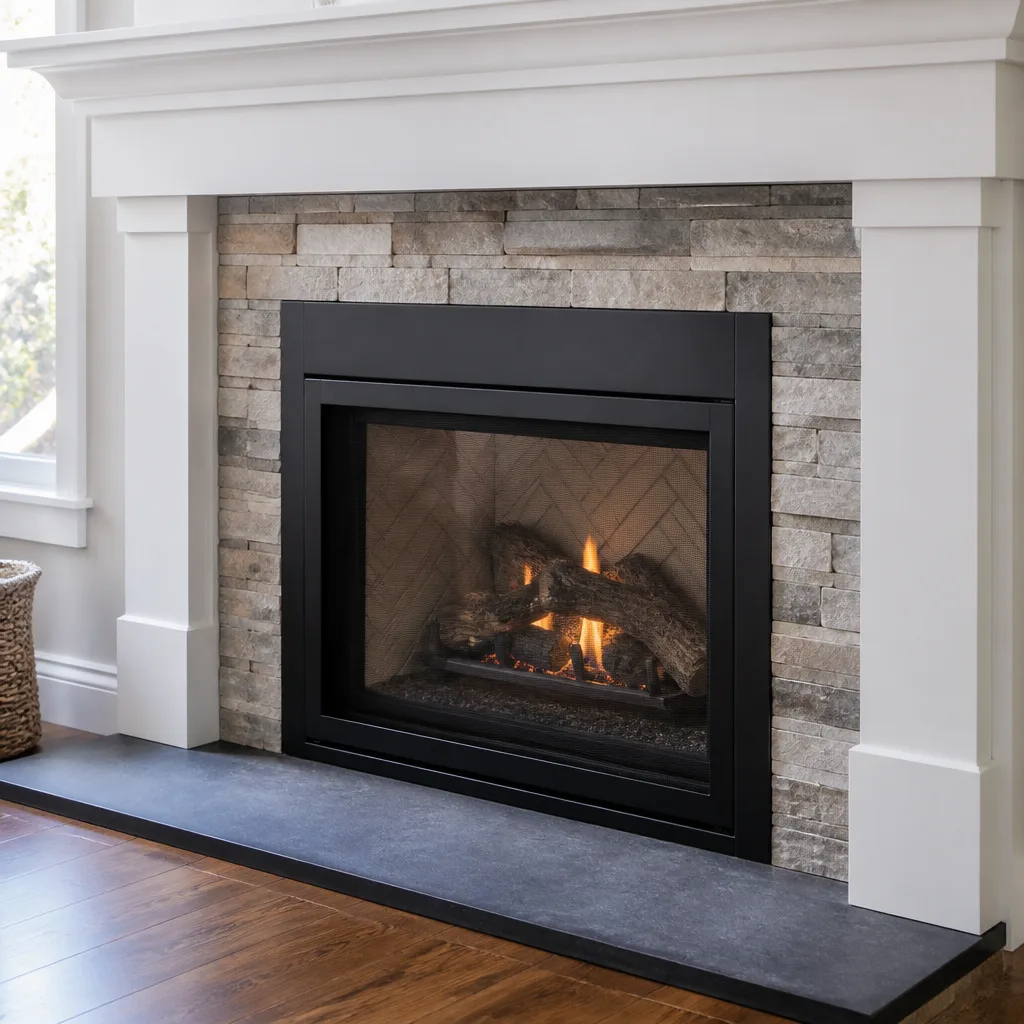
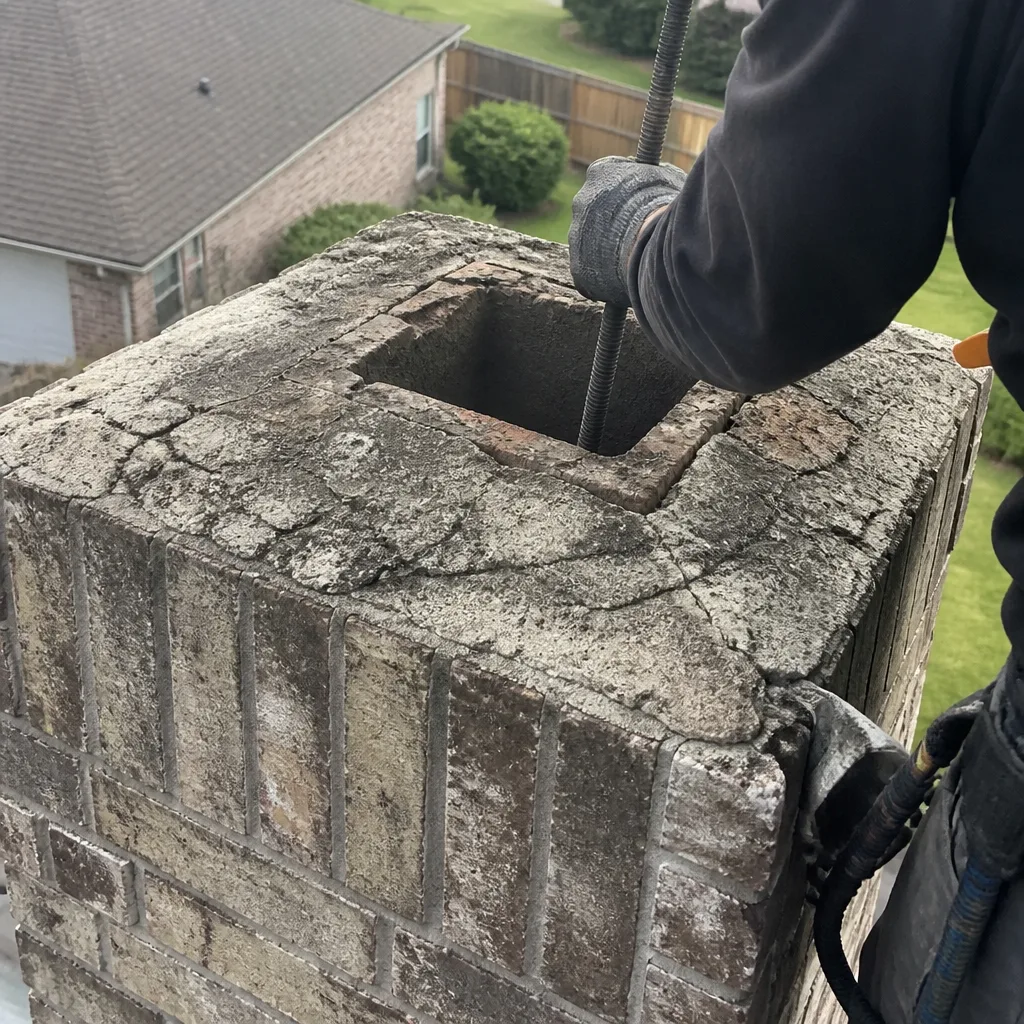 Before
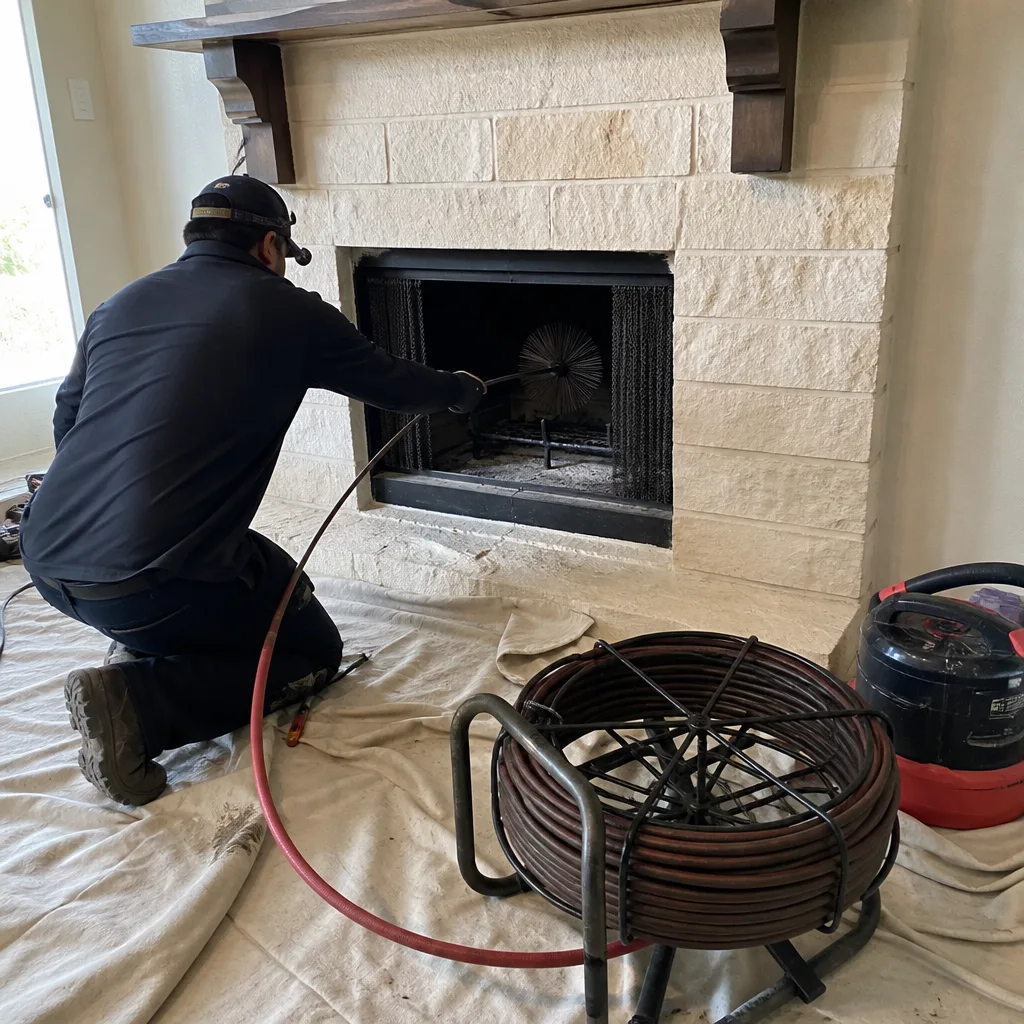 After
After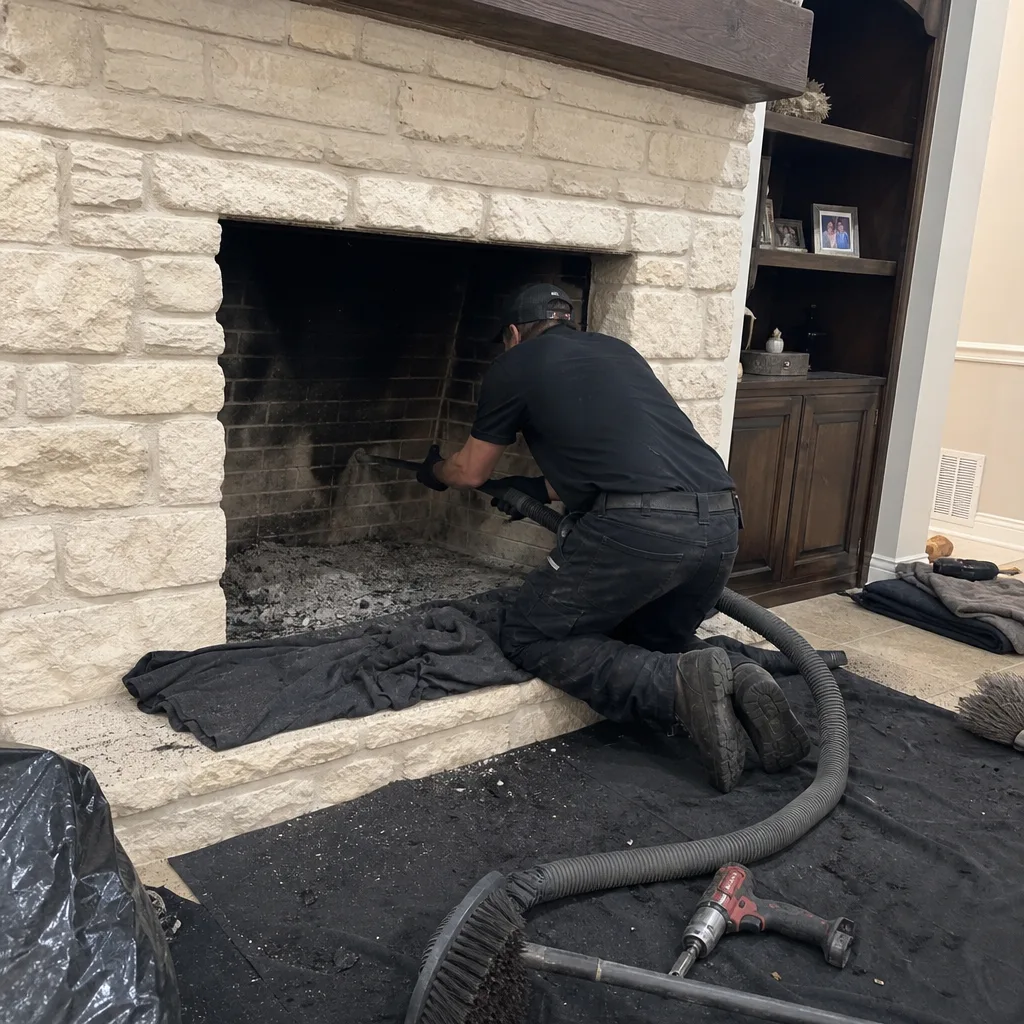 Before
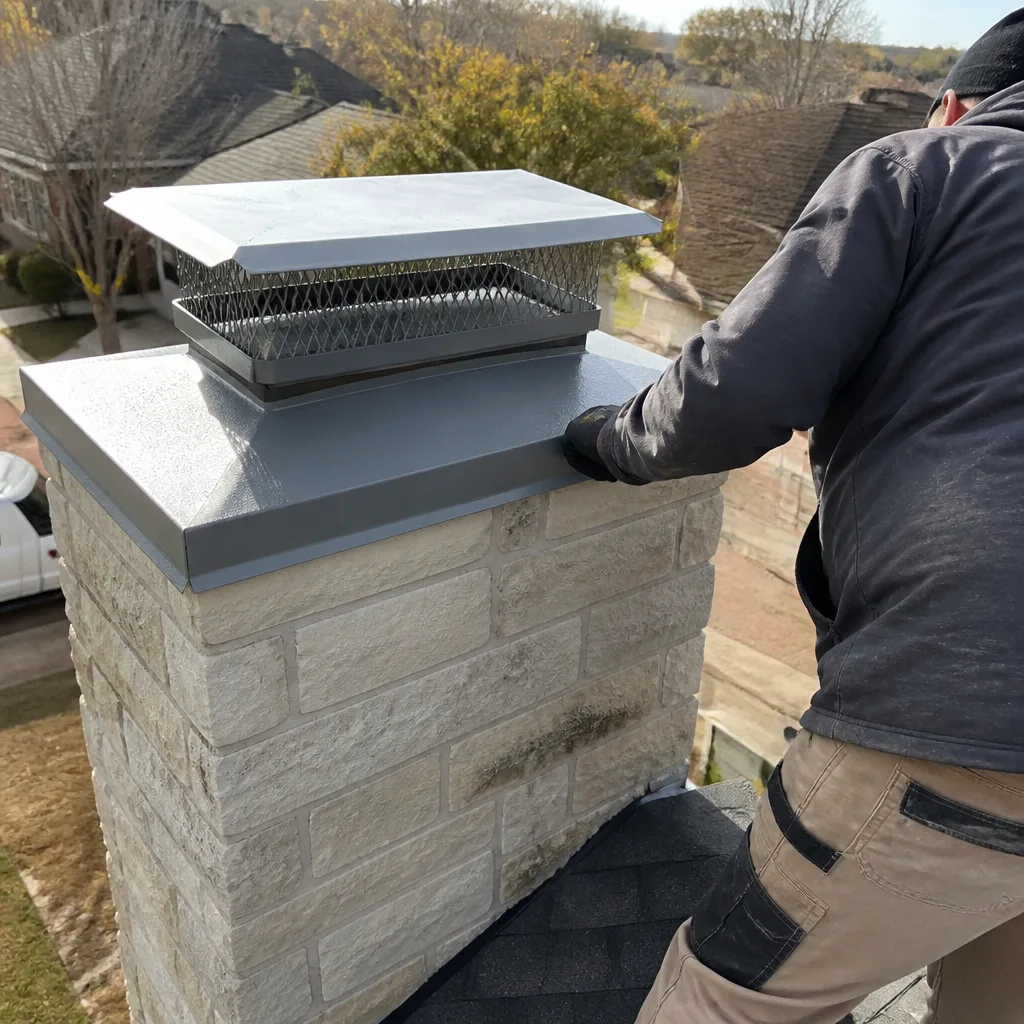 After
After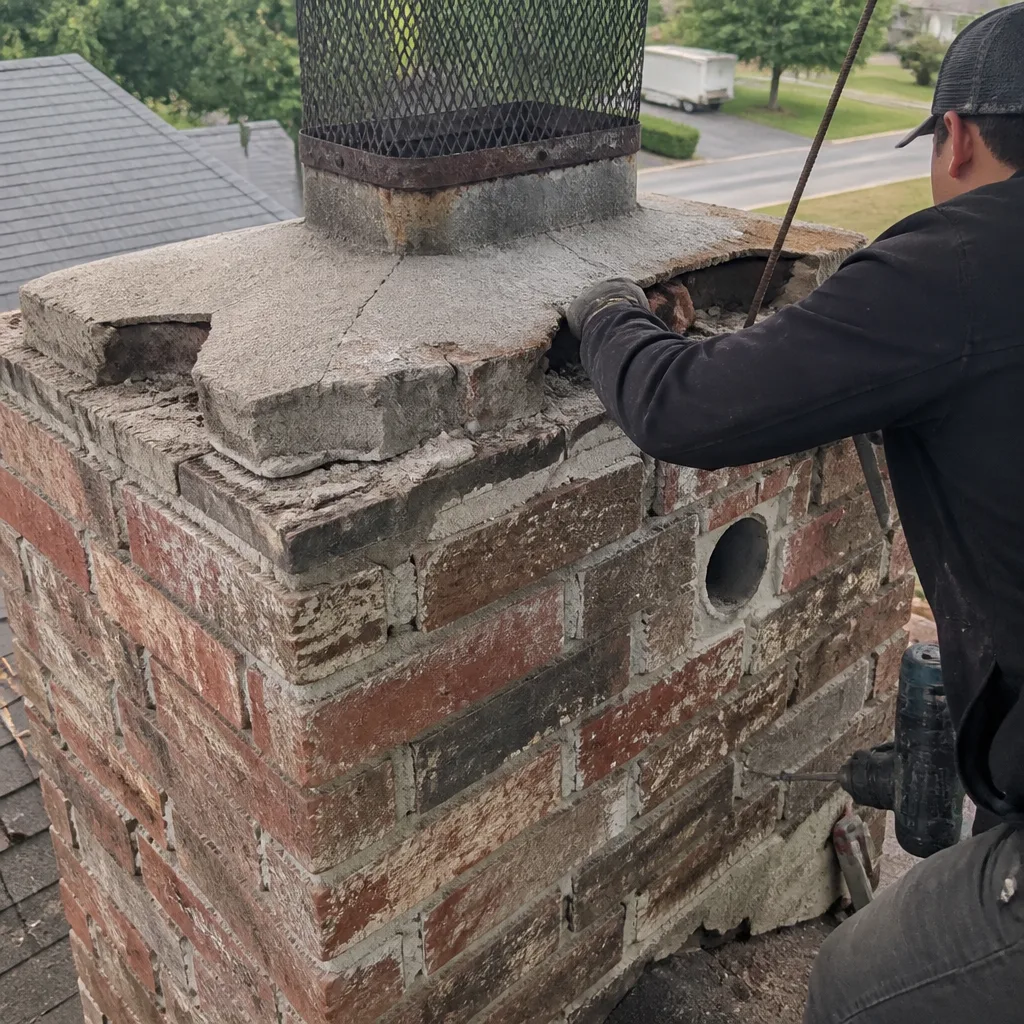 Before
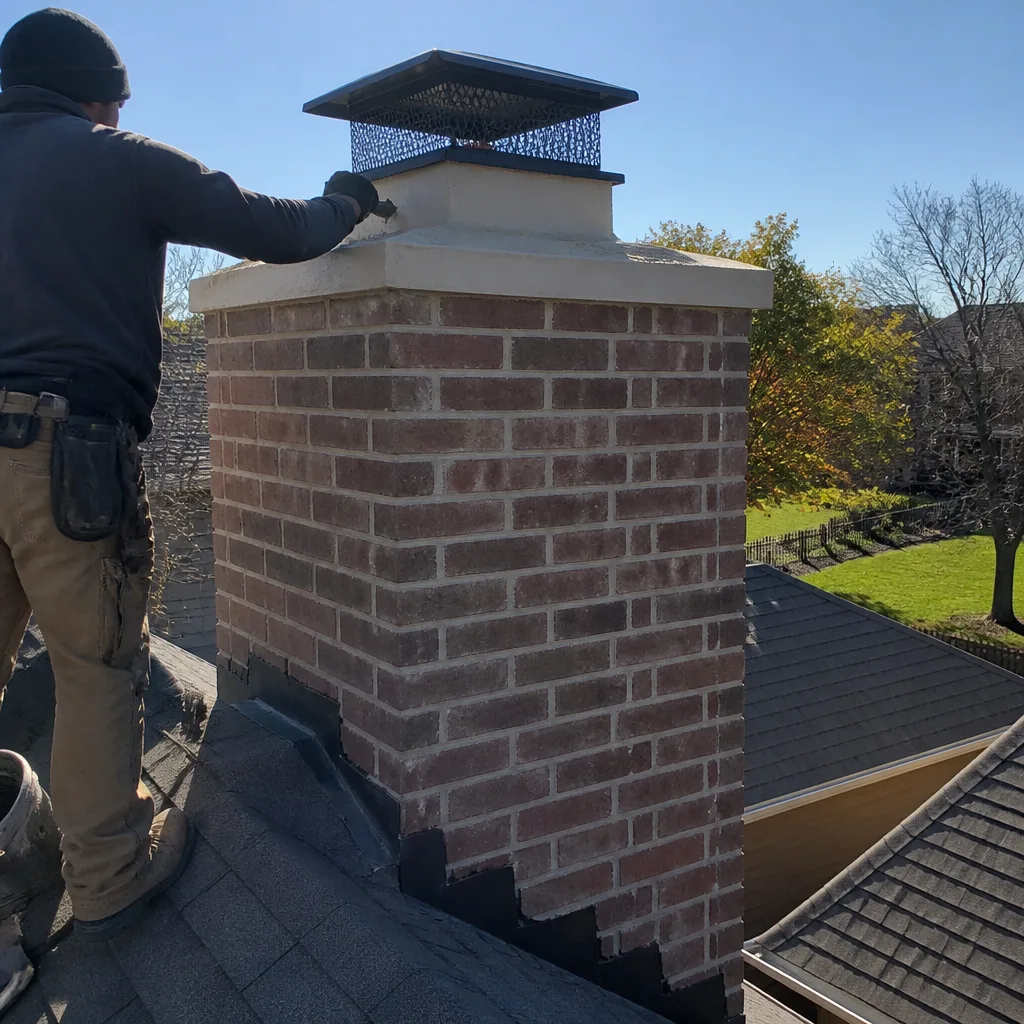 After
AfterThe Complete Guide to Chimney Cleaning in Frisco
The Chimney Safety Institute of America reports that 27% of home heating fires involve chimneys that were “recently cleaned.” The brush went through, but the creosote remained in the joints and smoke chamber where standard sweep tools don’t reach. In Frisco, where clay soil and dramatic thermal cycling stress terra cotta flue liners beyond national averages, a clean-looking chimney can hide dangerous conditions just out of sight. This guide maps the five distinct zones of your flue system, what actually accumulates in each, and why camera documentation has been non-optional here since long before insurers started asking for it.
Quick Answer
Professional chimney cleaning in Frisco, Texas typically costs $199-$349 for a standard sweep with NFPA 211 Level 2 camera inspection included. A proper cleaning addresses five distinct zones - firebox, smoke chamber, damper, flue liner, and crown - and should produce a written, timestamped photo record of every zone’s condition. In Frisco’s climate, terra cotta liners crack faster than national averages, making camera documentation essential for identifying hidden damage that a brush pass alone will miss.
Table of Contents
- The Five Zones of Your Chimney: What a Brush Pass Misses
- Why Frisco’s Soil and Weather Accelerate Chimney Damage
- NFPA 211 Inspection Levels: What Your Insurance Company Actually Requires
- Creosote Types and What Each Means for Your Frisco Home
- The Written Record: What Documentation Does During an Insurance Claim
- What Happens During a Professional Chimney Cleaning
- Chimney Cleaning Costs in Frisco
- Common Mistakes to Avoid
- When to Call a Professional
- Frequently Asked Questions
BeforeAfterThe Five Zones of Your Chimney: What a Brush Pass Misses
Most Frisco homeowners picture chimney cleaning as a single action: a brush pushed down from the top, soot collected, job done. But the flue system contains five distinct zones, each with its own geometry, contamination profile, and failure mode. Conflating them into one line item is how chimneys that were “recently cleaned” still contribute to house fires.
Zone 1: The Firebox
The firebox is the visible chamber where combustion occurs. It collects ash, partially burned fuel fragments, and cracked firebrick mortar. In Frisco’s newer construction - much of it built during the 2015-2025 boom in neighborhoods like Phillips Creek Ranch and The Trails - fireboxes are often factory-built metal units rather than traditional masonry. These units have specific clearance requirements and refractory panel wear patterns that differ from site-built masonry. A proper cleaning removes ash accumulation that can trap moisture against metal components, accelerating corrosion. We document firebox condition with photos showing refractory panel integrity and any metal fatigue.
Zone 2: The Smoke Chamber
Above the firebox, the smoke chamber is the inverted funnel that channels smoke into the flue liner. It’s the most neglected zone in amateur cleaning. The chamber walls are typically corbeled brick, creating ledges where creosote deposits heavily. Standard brushes pass through without contacting these angled surfaces. NFPA 211 recognizes the smoke chamber as a critical inspection point, yet many sweeps never look at it. Our camera scan captures the chamber walls from below, revealing glaze buildup and gaps in parging (the smooth mortar coating) that would otherwise remain hidden until a chimney fire forces the issue.
Zone 3: The Damper
The damper regulates draft and seals the flue when the fireplace isn’t in use. Frisco’s temperature swings - from summer highs near 100°F to winter lows in the 20s - cause repeated expansion and contraction of metal damper frames. This thermal cycling warps the assembly and degrades the seal. Creosote accumulation on the damper blade prevents full closure, wasting conditioned air year-round and allowing animal entry. During cleaning, we remove the damper assembly when accessible, clean all contact surfaces, and photograph the frame condition. A warped damper in a Frisco home with gas heating can cost $200+ annually in lost efficiency.
Zone 4: The Flue Liner
The flue liner is the vertical passage that carries combustion gases to the exterior. In Frisco homes built before 1990, this is typically terra cotta clay tile. After 1990, stainless steel and cast-in-place liners became more common in new construction and retrofits. The liner is where most chimney fires begin, and it’s where Frisco’s geology creates unique problems.
Clay soil, predominant across Collin County, expands when wet and contracts during dry spells. This seasonal ground movement transfers stress to the chimney structure, causing liner tiles to crack, shift, or separate at the joints. A separated liner joint creates a gap where creosote accumulates and where combustion gases can leak into wall cavities. Our camera scan, mandatory on every chimney cleaning and sweep in Frisco, documents every liner joint and any crack pattern. We’ve found complete liner failures in Frisco homes where the homeowner reported “the chimney was cleaned last year” - because the previous sweep never ran a camera.
Zone 5: The Crown and Exterior
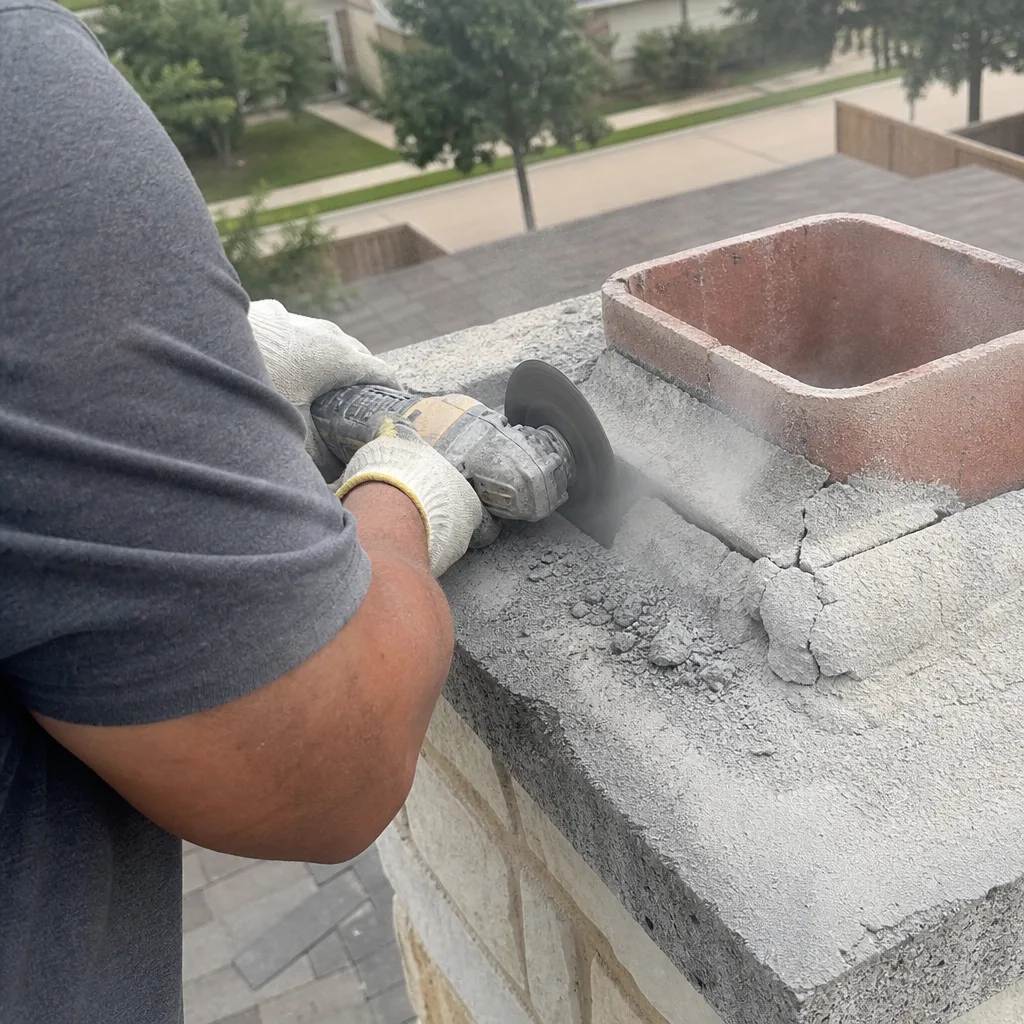
The crown is the concrete or mortar cap that sheds water away from the flue opening. Cracked crowns allow water penetration that accelerates all other deterioration. In Frisco, thermal cycling and occasional hail compound the problem. During our exterior assessment, we photograph crown condition, flashing integrity, and any spalling (surface flaking) of brick or stone. Water damage from a failed crown is the leading cause of costly chimney rebuilds we see in chimney repair in Frisco - damage that routine cleaning with interior-only focus cannot prevent.
Why Frisco’s Soil and Weather Accelerate Chimney Damage
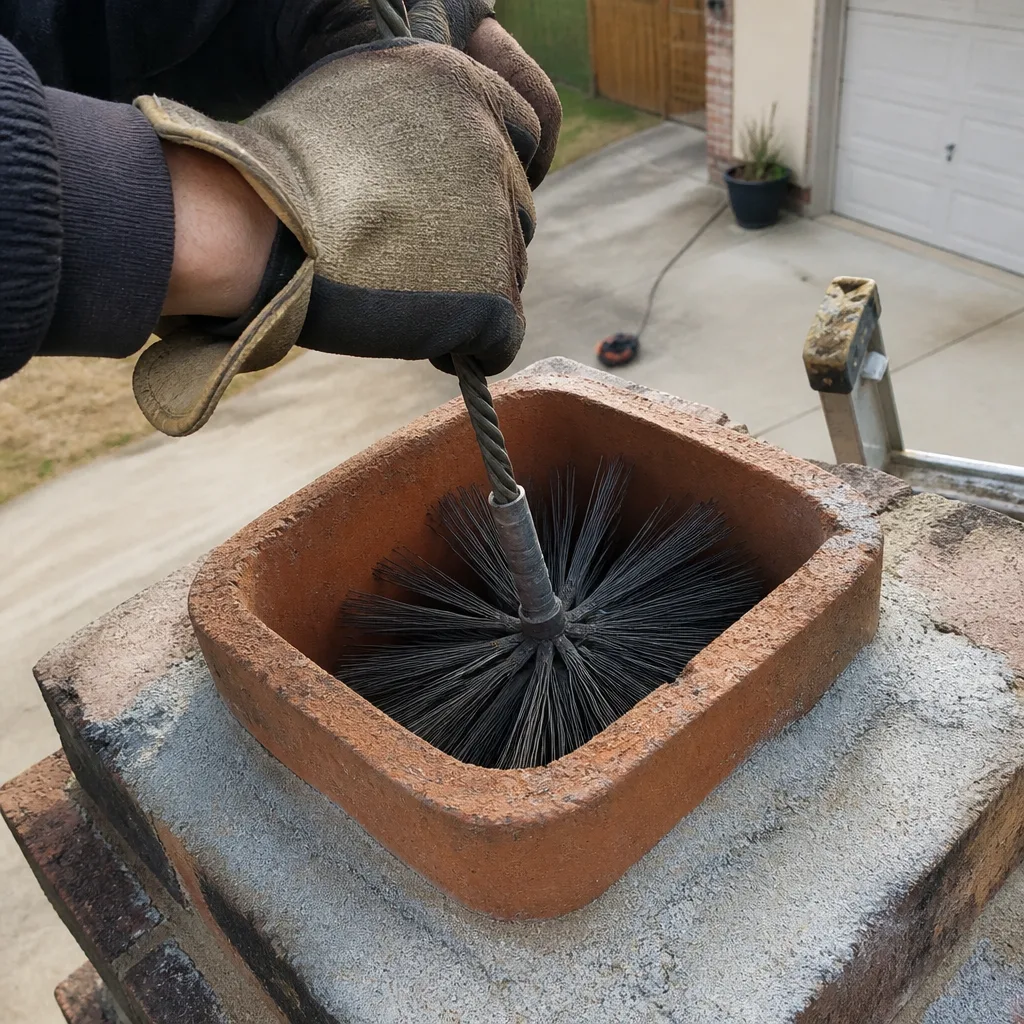
Frisco sits on the Blackland Prairie, characterized by heavy clay soils with high shrink-swell potential. The Texas A&M Agrilife Extension rates Collin County soils as having “very high” expansion capacity. When these soils dry during summer heat, they pull away from foundation elements; when fall rains return, they expand with significant force. Chimneys, being rigid structures partially embedded in this moving substrate, experience stress that flexes and cracks their components.
The thermal environment adds a second stress layer. Summer attic temperatures in Frisco routinely exceed 140°F, while winter fireplace use drives liner temperatures past 500°F during normal operation. This temperature differential across the chimney structure creates expansion mismatches between materials: brick, mortar, terra cotta, and steel all move at different rates. The result is a pattern of damage we see consistently in Frisco inspections:
- Vertical cracks in exterior masonry following the mortar line pattern, indicating structural movement
- Horizontal “stair-step” cracks in the firebox, suggesting foundation differential settlement
- Spalled terra cotta liner tiles, often most severe on the south-facing exposure where thermal cycling peaks
- Separated liner joints at the smoke chamber transition, where geometry changes concentrate stress
These conditions don’t announce themselves with visible symptoms from the hearth. A fireplace can draw normally and appear to function while the liner behind it has dangerous gaps. This is why camera documentation, which became our default practice in 2009, is particularly critical in this market. The Level Two Chimney Frisco home page details our full service approach, but the essential point is this: Frisco’s environment makes hidden damage more likely here than in markets with stable soils and moderate temperatures.
We’ve documented this pattern across Frisco neighborhoods from older Stonebriar construction to newer builds in Hollyhock and Newman Village. The soil doesn’t discriminate by home price or construction date. What matters is whether the inspection method can reveal what the environment has done.
NFPA 211 Inspection Levels: What Your Insurance Company Actually Requires
The National Fire Protection Association Standard 211 defines three levels of chimney inspection. Most homeowners don’t know which level applies to their situation, and many sweeps default to the minimum. Understanding the distinction protects you from both inadequate coverage and unnecessary expense.
Level 1 Inspection
A Level 1 inspection is a visual examination of readily accessible portions of the chimney exterior and interior. No tools are used to open panels or access concealed areas. This is appropriate only when the chimney is being used under the same conditions as the last inspection, with no changes to appliance, fuel type, or liner. In practical terms, this is what you get when a sweep looks up the flue with a flashlight from the hearth. It’s also what most “chimney cleaning” specials include by default.
Level 2 Inspection
A Level 2 inspection includes everything in Level 1, plus examination of accessible attics, crawl spaces, and basements, and a camera scan of the interior flue surfaces. This level is required by NFPA 211 when:
- The property is being sold or transferred
- There has been a chimney fire or other damaging event
- The appliance or fuel type has changed
- The chimney liner or connector has been modified
- An external event (earthquake, lightning strike, high wind) may have affected the system
Here’s what most Frisco homeowners miss: your homeowner’s insurance policy likely requires Level 2 documentation after any claimable event. If a chimney fire occurs and your last inspection was a Level 1 flashlight look, the insurer may dispute whether the chimney was properly maintained. The camera footage and written report from a Level 2 inspection create a defensible record.
Level Two Chimney Co. made Level 2 inspection our default on every visit starting in 2009. At the time, no insurer required it. We did it because the camera revealed what the flashlight missed. That practice became Clause 4 of the Haven Standard: a documented photo record on every job, not an optional add-on. Today, as insurers increasingly request inspection documentation for both underwriting and claims, our clients have years of timestamped records already on file.
Level 3 Inspection
A Level 3 inspection is invasive, requiring removal of building materials (wall coverings, chimney crowns, interior finishes) to access concealed portions of the system. This is reserved for suspected hazards that cannot be evaluated through Level 2 methods. It’s not a routine procedure but becomes necessary when camera evidence suggests hidden damage requiring direct examination.
For Frisco homeowners, the practical guidance is straightforward: if you’re buying a home, selling a home, changing your heating appliance, or have experienced any operational anomaly (smoke backup, odor, unusual sounds), insist on Level 2, as detailed in our How to Hire a Chimney Cleaning Contractor in Frisco: A Step-by-Step Guide. A written quote for Level 2 work should specify camera scan inclusion and photo documentation delivery. If it doesn’t, you’re not getting what NFPA 211 or your insurer expects.
Creosote Types and What Each Means for Your Frisco Home
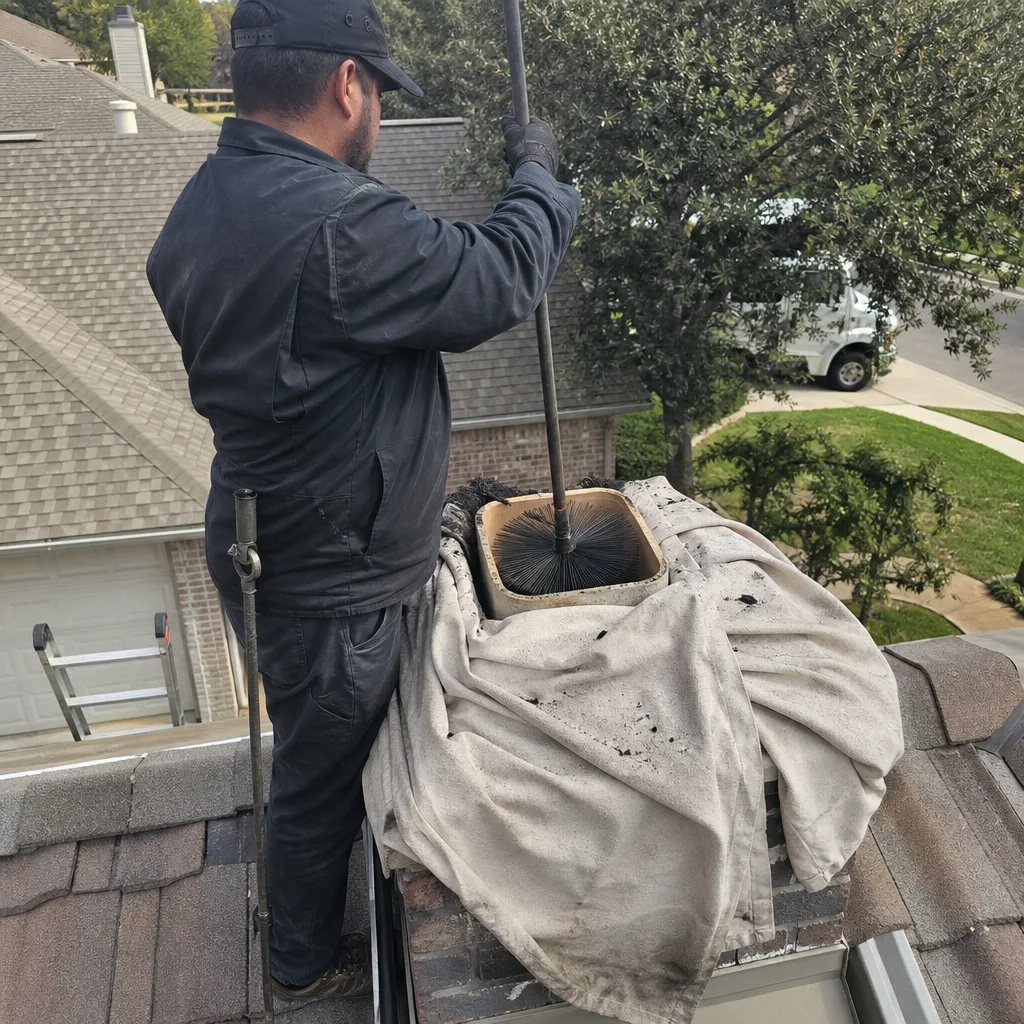
Creosote is not a single substance. NFPA 211 recognizes three distinct classes, each with different combustion characteristics and removal requirements. The type accumulating in your chimney determines both cleaning method and fire risk.
Class I Creosote: Soot and Fine Ash
Class I is loose or adherent soot, typically from complete combustion of seasoned hardwood at adequate temperatures. It’s the easiest to remove with standard brushes and rods. In Frisco, we see this primarily in homes burning properly seasoned oak or mesquite with adequate air supply. The presence of Class I creosote alone indicates reasonably efficient burning, though it still requires annual removal.
Class II Creosote: Crusty or Flaky Deposits
Class II forms when combustion is less complete - often from burning partially seasoned wood, restricting air supply, or operating at low temperatures for extended periods. The deposits are harder and more adherent, requiring more aggressive mechanical cleaning. In Frisco’s newer homes with tight building envelopes and EPA-certified fireplaces, restricted airflow can promote Class II formation even with good fuel. The flaky structure contains more combustible material than Class I and ignites at lower temperatures.
Class III Creosote: Glazed or Tar-Like Deposits
Class III creosote is the most dangerous form: a hard, glossy, tar-like coating that is extremely difficult to remove and highly concentrated fuel. It forms from prolonged low-temperature burning of unseasoned wood, common when homeowners use their fireplace for “zone heating” with the damper partially closed. Class III creosote burns at temperatures exceeding 2,000°F and is the primary fuel in destructive chimney fires.
Removing Class III creosote requires chemical treatment, specialized mechanical equipment, or in severe cases, liner replacement. We use HeatShield refractory restoration systems and DuraFlex stainless liners when the underlying liner has been damaged by prior Class III accumulation or fire exposure. The critical point: Class III cannot be reliably identified without camera inspection. From the hearth, it may appear as normal soot. Only the camera reveals the glazed surface characteristic that distinguishes it.
We’ve encountered Class III creosote in Frisco homes across all neighborhoods and price points. The determining factor is burning practice, not home value. Our inspection report specifies the creosote class found in each zone, with photo evidence, so you understand both current condition and what burning adjustments would reduce future accumulation.
The Written Record: What Documentation Does During an Insurance Claim
After a chimney fire or related structural damage, homeowners face two immediate problems: proving the chimney was properly maintained, and proving the extent of damage for repair scope. Verbal assurances from a sweep carry no weight in this process. The written, timestamped inspection record is what determines whether your claim proceeds and whether you’re assigned partial or full liability.
Consider the difference:
- Verbal “looks good”: No date, no specifics, no photos. The insurer’s adjuster notes “maintenance claimed but undocumented.” You’re potentially liable for negligence if the damage spread beyond the chimney.
- Written Level 2 report with photos: Dated, with camera footage showing liner condition, creosote class, and any pre-existing defects. The adjuster can verify what was known before the event and what damage is new.
We’ve had Frisco clients use our inspection records in exactly this situation. One case involved a home in Grayhawk where a neighboring property fire spread to the chimney chase. The insurer initially disputed whether the chimney itself required rebuild or only exterior repair. Our prior year’s inspection record showed intact liner and crown condition, establishing the pre-loss baseline. The claim resolved for appropriate scope without the homeowner bearing depreciation penalties.
Clause 4 of the Haven Standard requires this documentation on every job. Not because insurers ask for it - though increasingly they do - but because we learned through experience that the record protects our clients when they need it. The 38,000+ inspections in our archive represent 38,000+ homeowners with defensible documentation of their chimney condition on specific dates.
For fireplace services in Frisco involving gas appliance conversion or insert installation, this record becomes even more critical. Gas liners and connectors have different inspection requirements, and the documentation chain protects both safety and warranty coverage.
What Happens During a Professional Chimney Cleaning
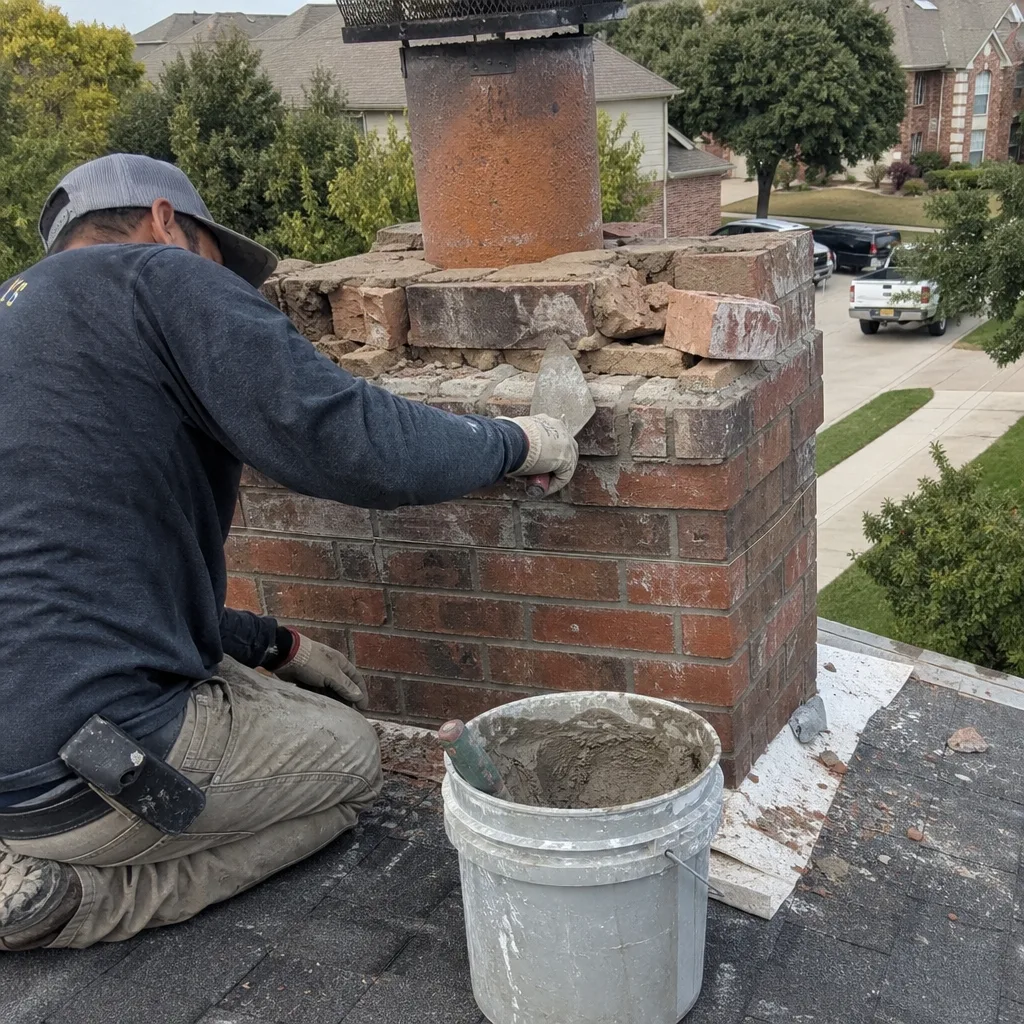
Understanding the actual sequence of a proper chimney cleaning helps you evaluate what you’re being offered and what you should expect to receive. Here’s the process we follow on every Frisco visit:
- Exterior assessment: We photograph the chimney crown, cap, flashing, and visible masonry from ground level and roof access as conditions permit. This establishes baseline exterior condition before interior work begins.
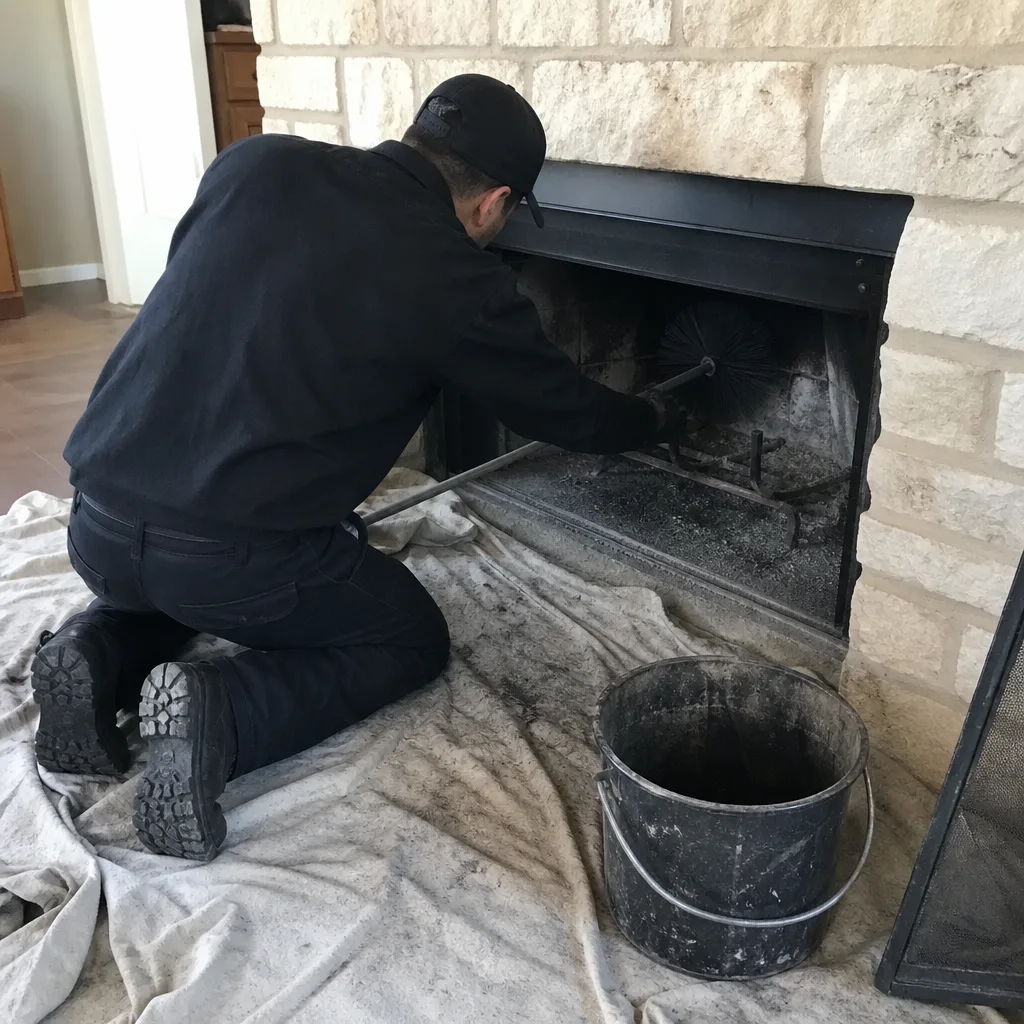
- Interior setup: Drop cloths protect flooring and furnishings. We inspect the firebox, damper, and hearth extension for visible damage or unusual deposits.
- Camera scan (pre-cleaning): The chimney camera travels the full flue length, recording liner condition, joint integrity, creosote distribution, and any obstructions. This footage is saved to your record and reviewed with you.
- Mechanical cleaning: Appropriate brushes, rods, and vacuum systems remove deposits from the firebox, smoke chamber, damper, and flue liner. For Class II or III creosote, we select tools matched to the deposit hardness.
- Camera scan (post-cleaning): A second camera pass verifies complete removal and documents the cleaned condition. This two-scan protocol is how we confirm the job rather than assume it.
- Condition report and written quote: We present findings, show the photo record, and provide a written price for any recommended repairs before any additional work begins. This is Haven Standard Clause 1: the written price, written scope, and written warranty delivered before work starts.
The entire process typically requires 60-90 minutes for a standard fireplace chimney. Factory-built units in newer Frisco homes may require less time; masonry systems with complex smoke chambers or significant creosote accumulation may require more. We schedule with arrival windows, not vague “morning” or “afternoon” blocks, and text when your technician is en route.
Chimney Cleaning Costs in Frisco
Specific pricing matters. Below are the ranges we see in the Frisco market for professional chimney services with proper documentation:
| Service | Typical Range | What’s Included |
|---|---|---|
| Standard chimney sweep with Level 2 inspection | $199-$349 | Full cleaning of all five zones, pre- and post-camera scan, written photo record, condition report |
| Class III creosote removal (chemical/mechanical) | $450-$850 | Specialized removal process, extended cleaning time, enhanced documentation |
| Stainless steel liner installation (typical fireplace) | $2,800-$4,500 | DuraFlex or equivalent liner, proper sizing for appliance, installation, documentation for insurer |
| Crown repair or rebuild | $650-$1,800 | Material removal as needed, proper concrete or specialized crown formulation, water management detailing |
| Smoke chamber parging | $1,200-$2,400 | HeatShield or equivalent refractory application, smoothing to NFPA 211 standards, camera verification |
These ranges reflect Frisco’s market specifically, including labor costs and material availability through our Haven buying network. We source materials from DuraFlex, HeatShield, Gelco, Olympia Chimney, Famco, and Copperfield specifically to maintain price honesty - not to use the cheapest option, but to match the right material to each application at fair cost.
Every job receives a written, itemized quote before work begins. No exceptions. If you have a competitor’s written estimate, we offer a free second opinion review. Our 365-Day Done Right Promise covers all work: if it’s not done right, we make it right.
Common Mistakes to Avoid
- Assuming a “sweep special” includes inspection. Many Frisco-area promotions advertise low-cost sweeping without specifying inspection level. A $99 sweep with no camera scan and no written record leaves you with clean-looking soot and undetected liner damage.
- Burning unseasoned wood from storm cleanup. After spring storms, downed oak and pecan are tempting free fuel. Wood with moisture content above 25% produces Class II and III creosote rapidly. Season hardwood for 12 months minimum in Frisco’s humidity.
- Ignoring the smoke chamber. Because it’s not visible from the hearth, homeowners rarely ask about smoke chamber condition. Yet NFPA 211 identifies it as a critical fire risk zone. Any inspection report that doesn’t address smoke chamber parging condition is incomplete.
- Skipping inspection after a chimney fire. Even a “small” chimney fire that self-extinguished causes thermal shock to terra cotta liners. The damage may not be immediately visible but creates failure points for future fires. Level 2 inspection is mandatory after any fire event.
- Accepting verbal repair recommendations. Without written scope and price, you have no basis to evaluate whether work is necessary or fairly priced. Our Haven Standard Clause 1 requires written documentation before any work begins specifically to prevent this.
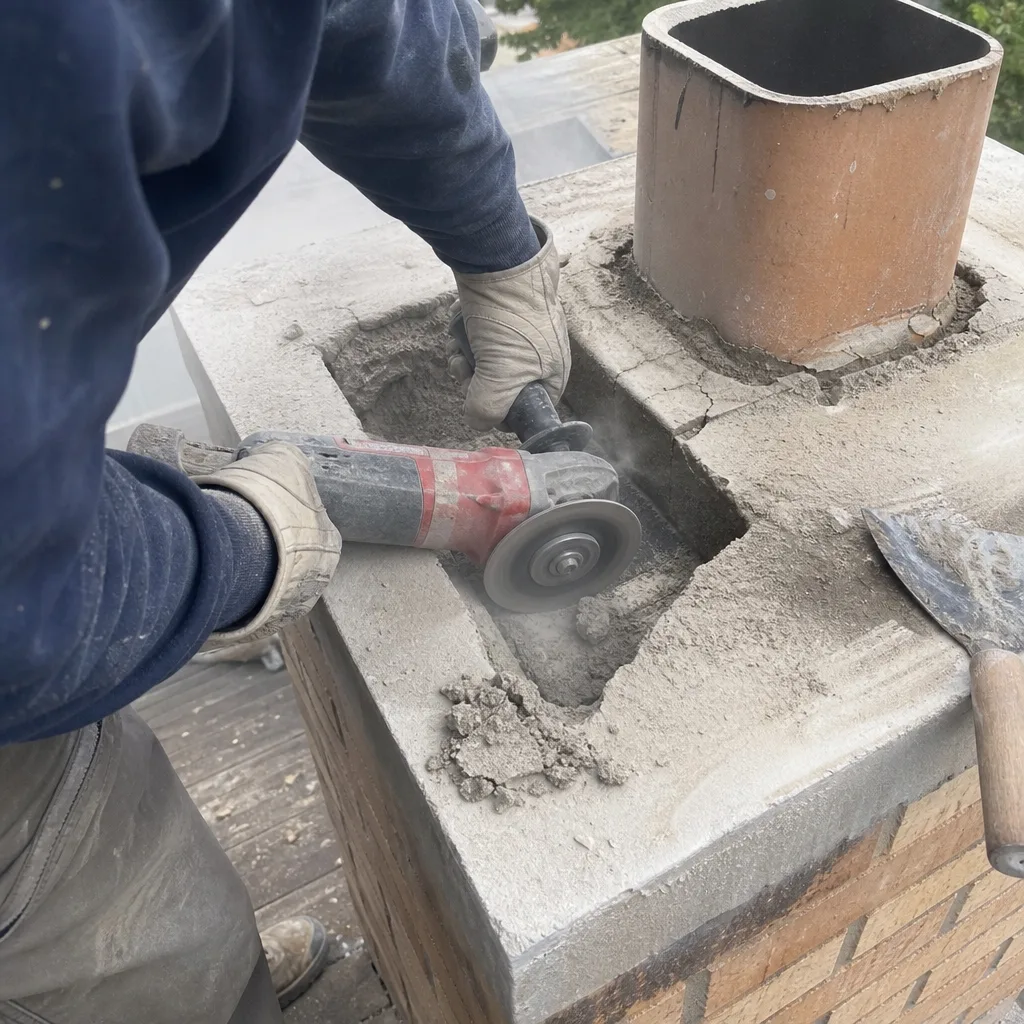
- Neglecting crown maintenance in hail-prone seasons. Frisco’s spring hail can fracture chimney crowns, creating water entry paths that destroy liners from the outside. Annual inspection catches crown damage before it propagates to structural components.
When to Call a Professional
Call for inspection before burning season begins if you haven’t had a documented Level 2 inspection within 12 months. Call immediately if you notice smoke backup into the room, unusual odors when the fireplace is not in use, visible cracks in interior or exterior masonry, or any evidence of animal entry. After any chimney fire, operational anomaly, or external damage event, Level 2 inspection is non-optional for safety and insurance purposes.
Level Two Chimney Frisco offers free estimates in Frisco - call (940) 290-7230. Our live phone support runs 24 hours a day, 7 days a week. We’ll schedule your inspection, assign a named technician, and text when they’re en route. Every visit includes the camera scan and documented photo record we’ve performed on every job since 2009.
Frequently Asked Questions
A professional chimney sweep with NFPA 211 Level 2 inspection in Frisco typically costs $199-$349. This includes full cleaning of all five chimney zones, pre- and post-cleaning camera scans, and a written photo record. Call (940) 290-7230 for an exact quote - estimates are free.
NFPA 211 recommends annual inspection for all chimney systems, with cleaning frequency determined by creosote accumulation rather than calendar alone, as explored in our Seasonal Chimney Cleaning Care for Frisco: Year-Round Homeowner’s Guide. In Frisco, where many homeowners use fireplaces intermittently during mild winters, annual Level 2 inspection determines whether cleaning is needed that year. We’ve seen chimneys that needed cleaning after one season of heavy use and others that remained clean after two years of light use - the camera reveals the difference.
You need liner replacement only when camera inspection documents damage that compromises safety: cracked or missing terra cotta tiles, gaps at joints, or deterioration that allows gas leakage. We never recommend liner replacement without photo evidence you can see for yourself. In many cases, localized repair or HeatShield refractory restoration addresses the problem at lower cost. When replacement is necessary, we specify why in writing with the camera footage.
Skipped cleaning allows creosote accumulation that increases fire risk and can obstruct the flue, causing carbon monoxide backup into living spaces. In Frisco’s newer tight-construction homes, this risk is amplified because there’s less natural air infiltration to dilute any leakage. The more immediate consequence is often financial: undetected liner damage from delayed inspection typically requires more extensive repair than if caught early. Call (940) 290-7230 for an exact quote - estimates are free.
Level 1 is a visual examination with no tools or camera. Level 2 adds camera scan of the interior flue, examination of accessible attics and crawl spaces, and written documentation. Level 2 is required for home sales, after chimney fires, and when appliances change. Most insurers now expect Level 2 documentation for claims. Level Two Chimney Co. has performed Level 2 as our default on every visit since 2009.
Homeowners can remove superficial ash and soot from the firebox, but flue liner inspection and smoke chamber cleaning require specialized equipment and training, as covered in our DIY vs Professional Chimney Cleaning: The Frisco Homeowner’s Decision Guide. More critically, evaluating liner condition, creosote class, and structural integrity requires camera systems and interpretive experience that aren’t available to consumers. For safety and documentation purposes, professional service is the practical choice. Call (940) 290-7230 for an exact quote - estimates are free.
The Bottom Line
Chimney cleaning in Frisco is not a single task but a five-zone evaluation requiring specific tools, camera documentation, and written records, with more guides & resources available on our blog. The clay soils and thermal cycling of this market make hidden damage more likely than national averages suggest. NFPA 211 Level 2 inspection, with its mandatory camera scan, reveals what brush-only cleaning cannot. Since 2009, Level Two Chimney Co. has performed this standard on every visit, creating documented records that protect our clients in insurance claims, home sales, and warranty disputes. The cost of proper service is modest; the cost of undetected damage is not.
Written by Corrine Halstead, Owner at Level Two Chimney Frisco, serving Frisco since 2009.