
Last updated September 22, 2026
Level 1 sweep and inspection to the NFPA 211 annual standard - flue, crown, cap, and flashing checked and photographed
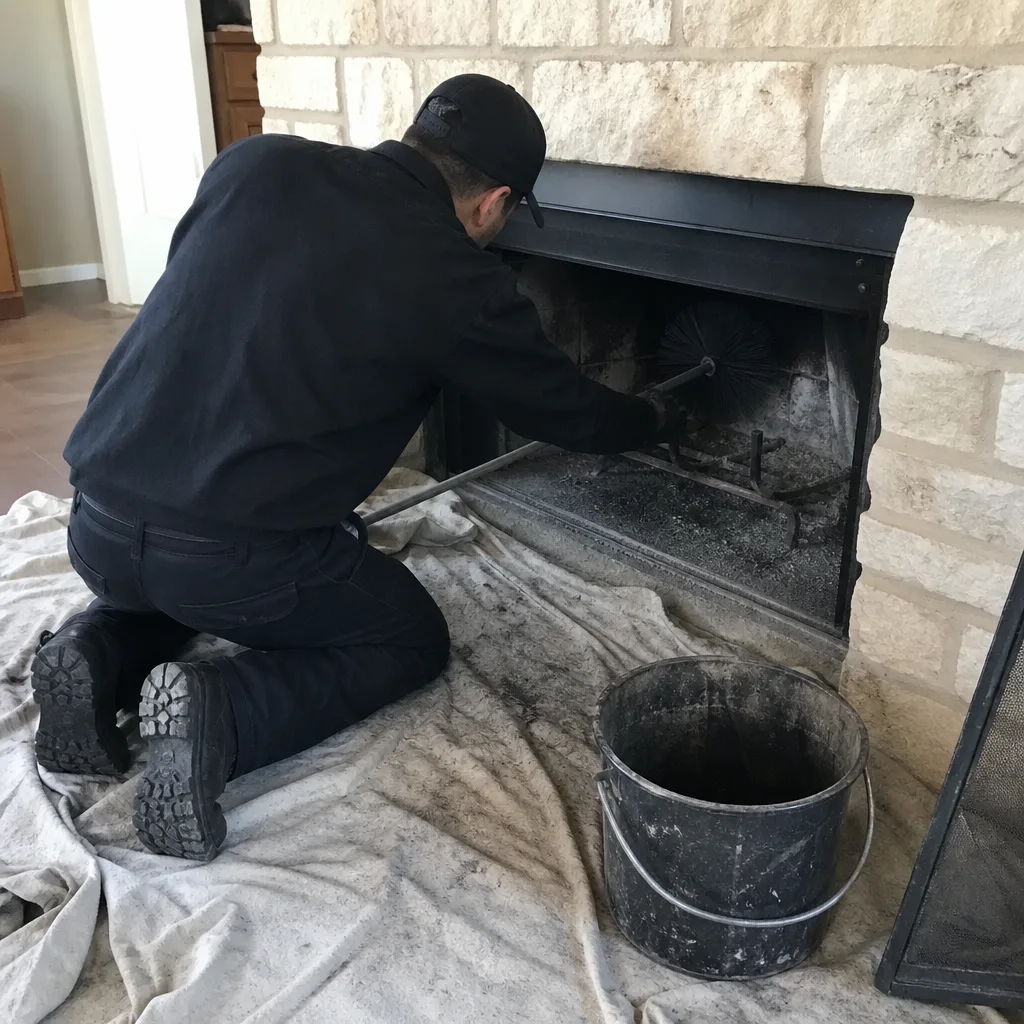
Chimney sweep logs do not sweep chimneys. They loosen some creosote - which then falls where a brush and vacuum still have to collect it.
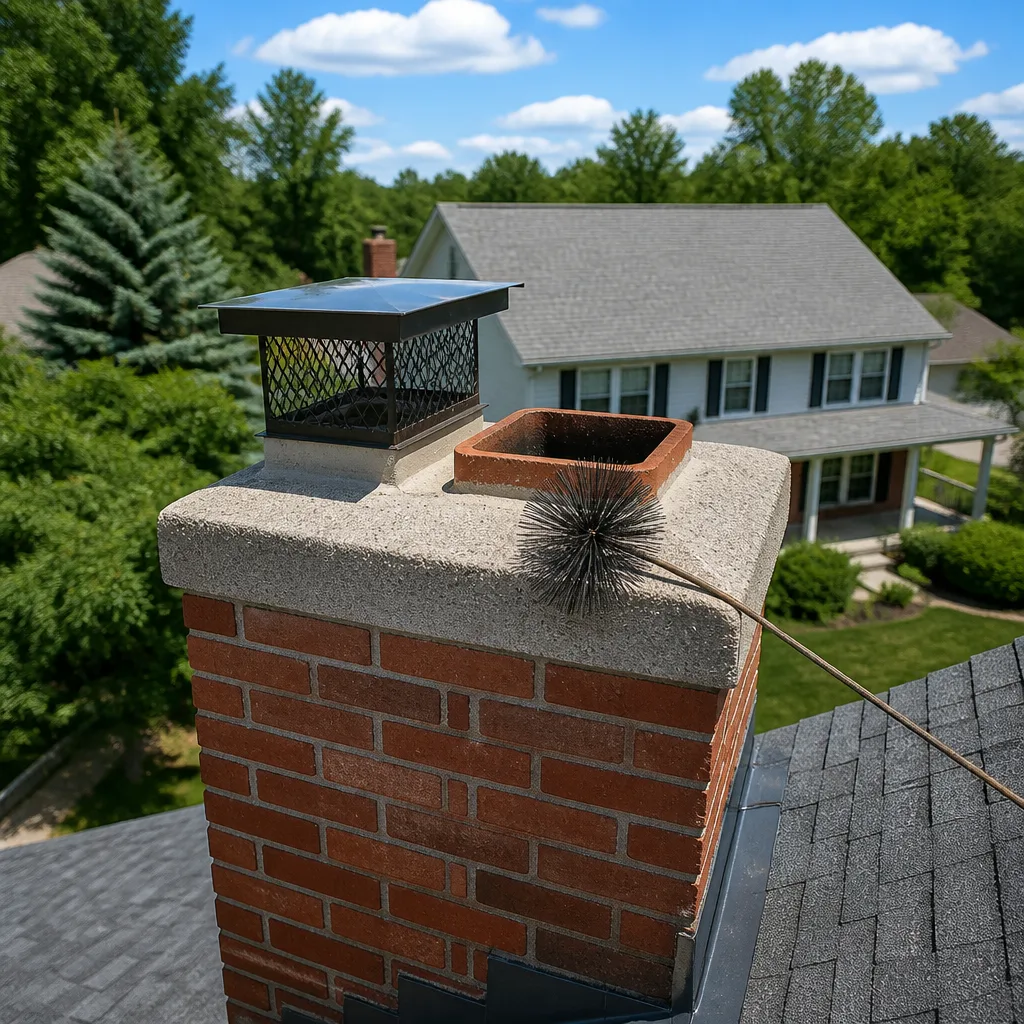
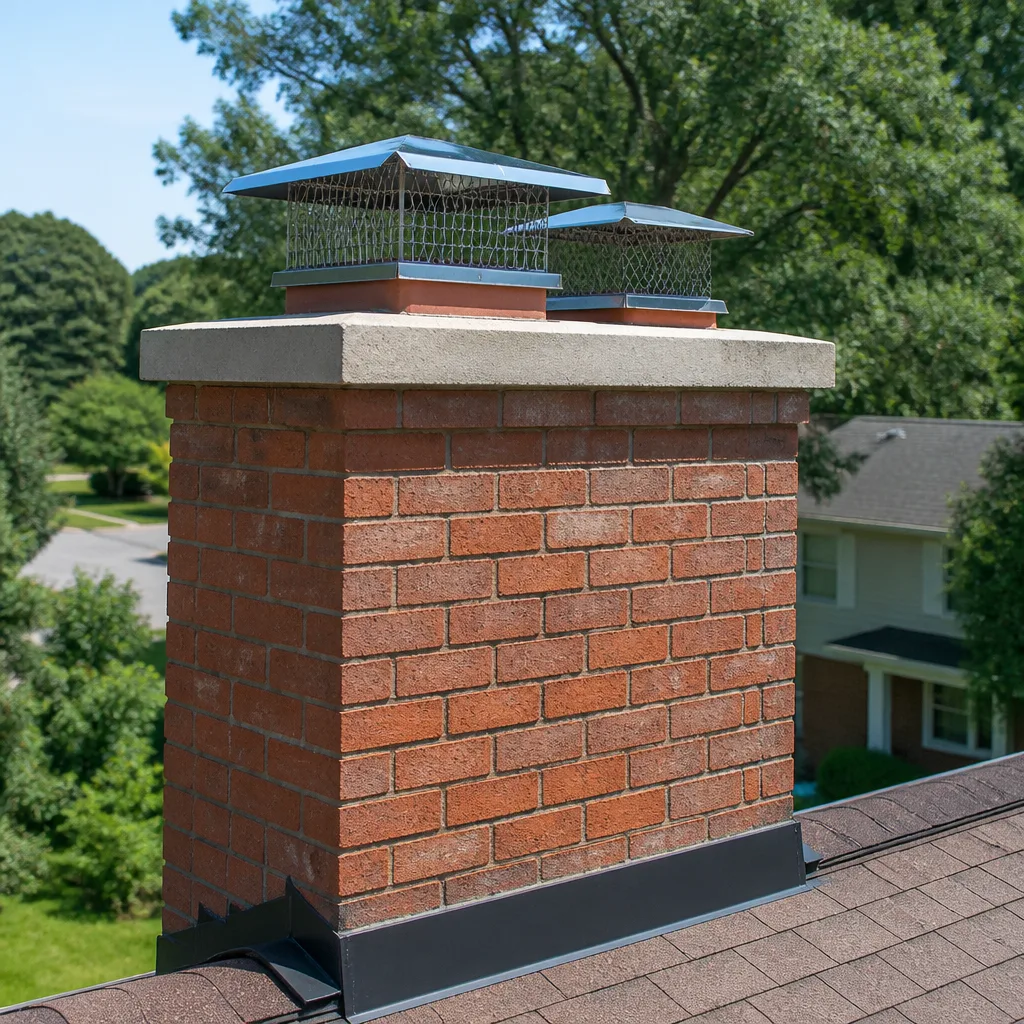
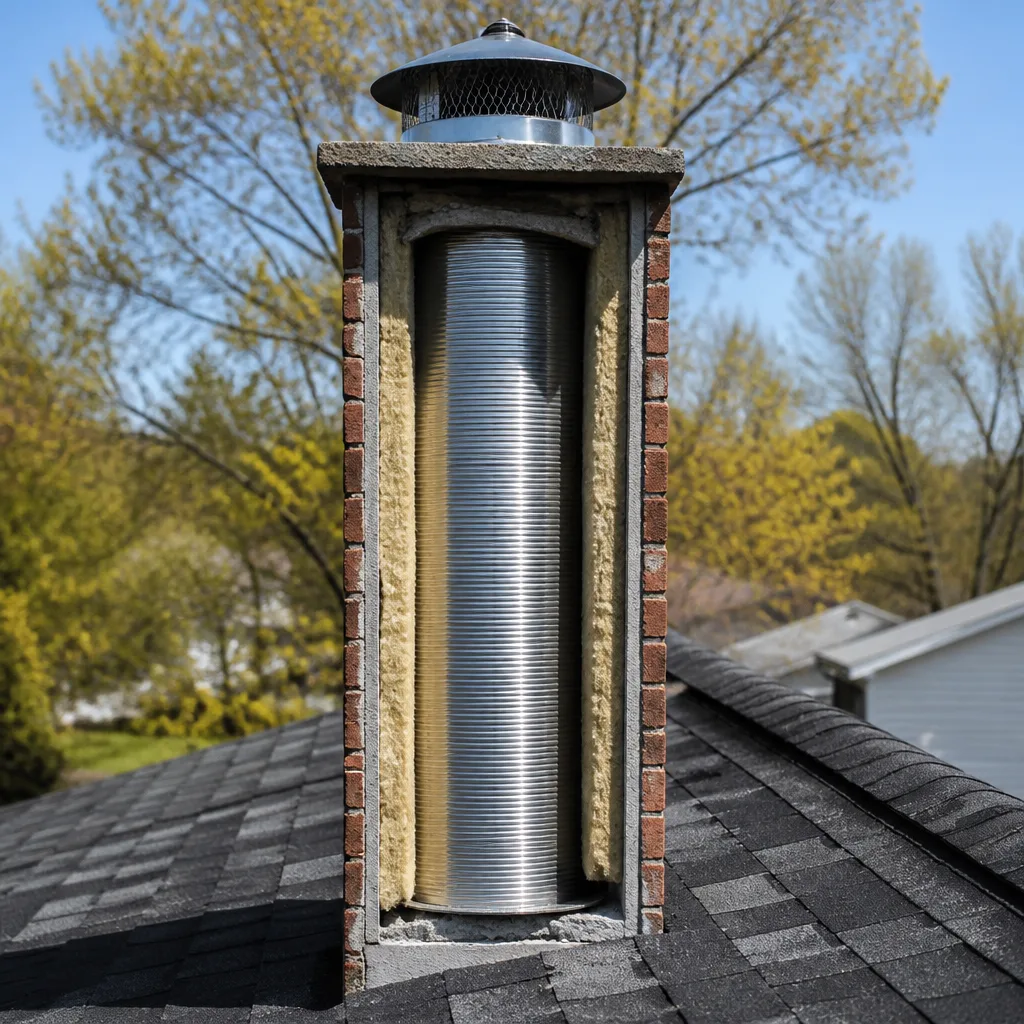
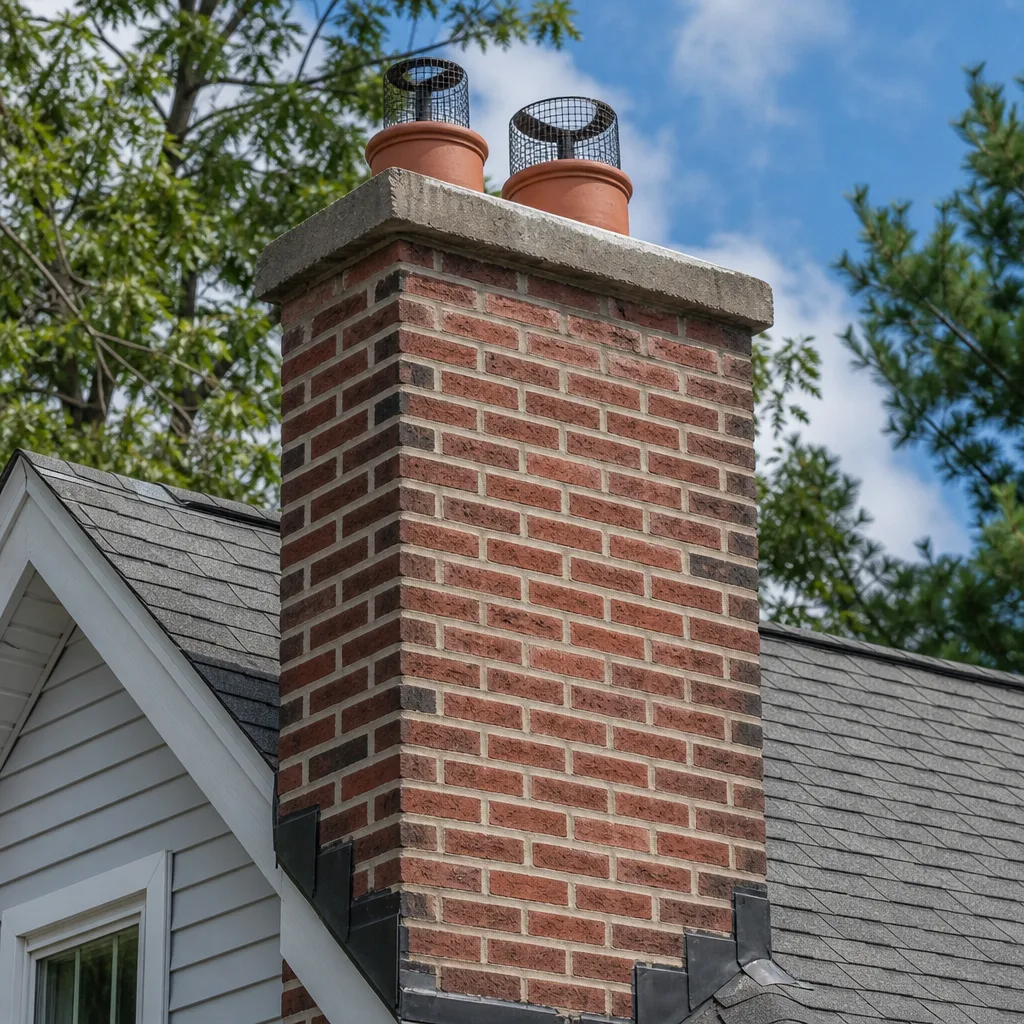
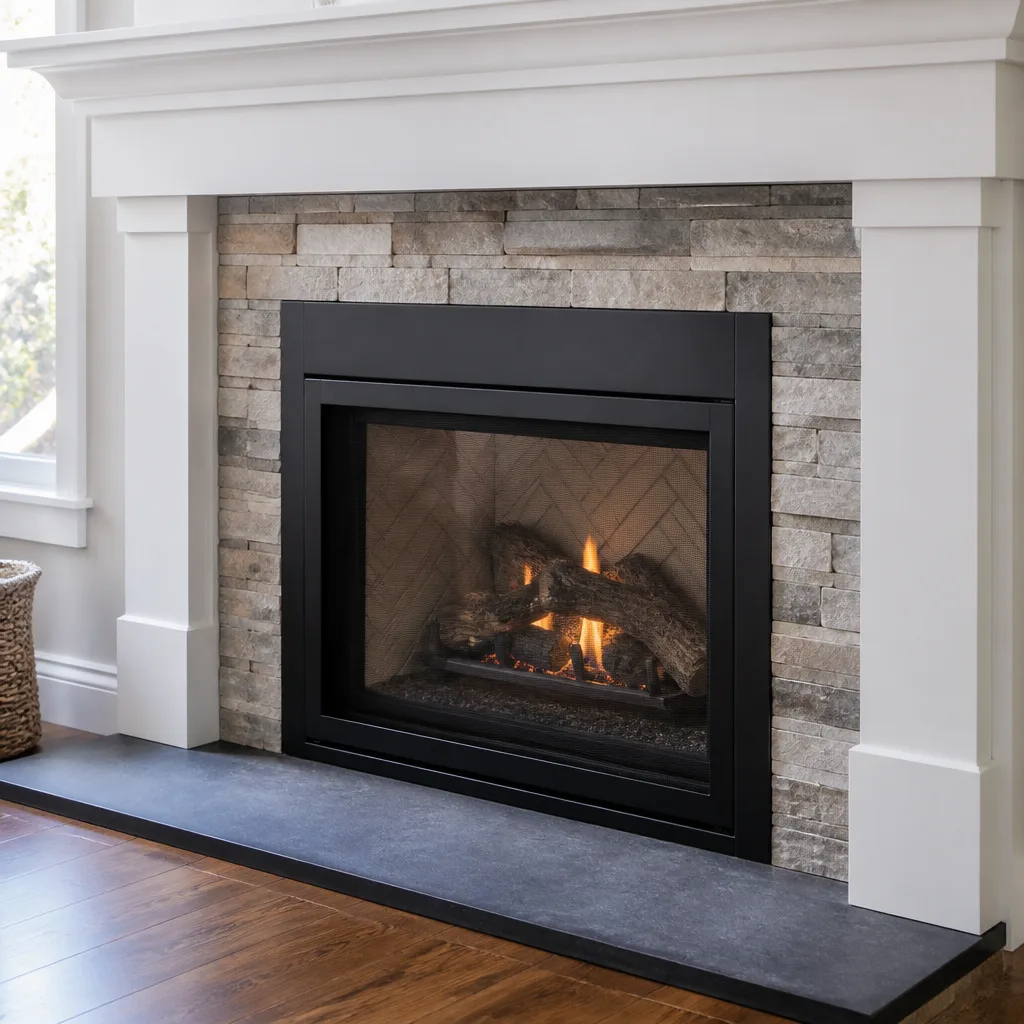
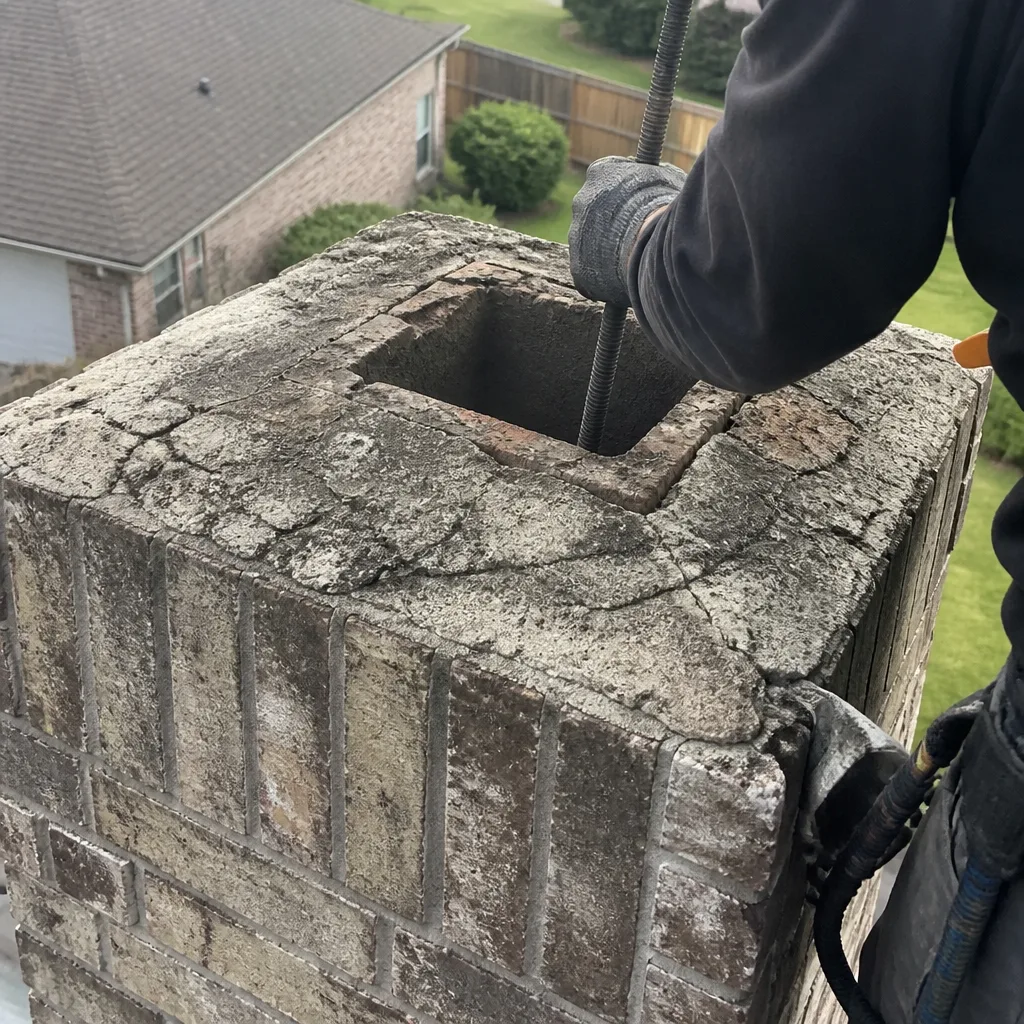 Before
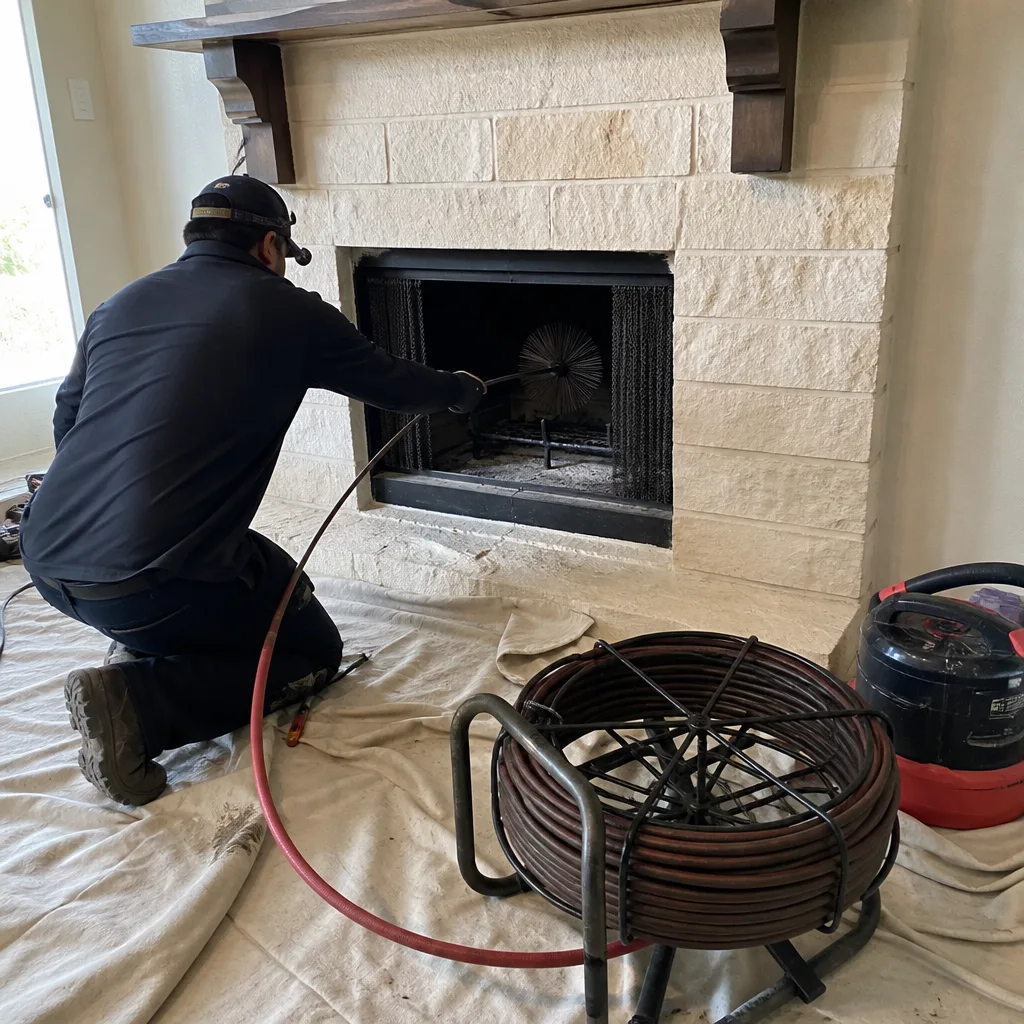 After
After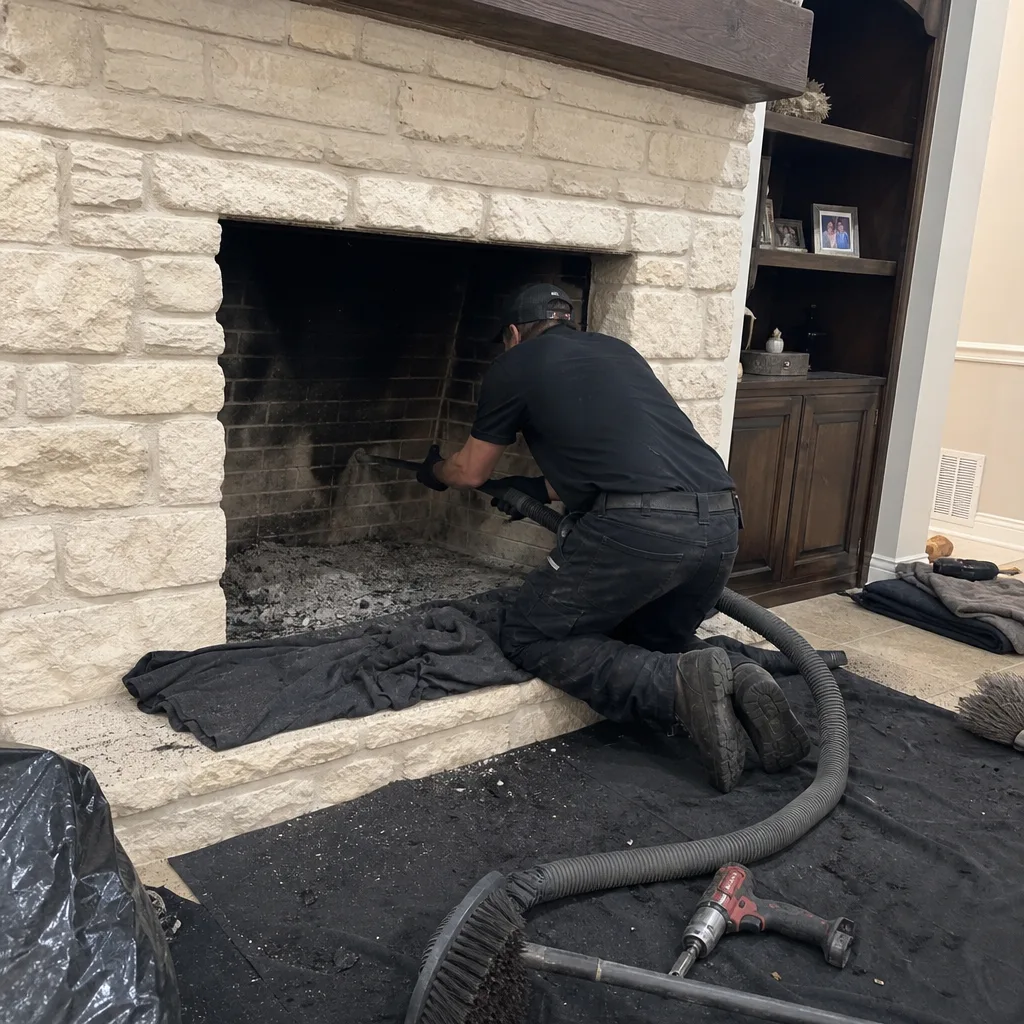 Before
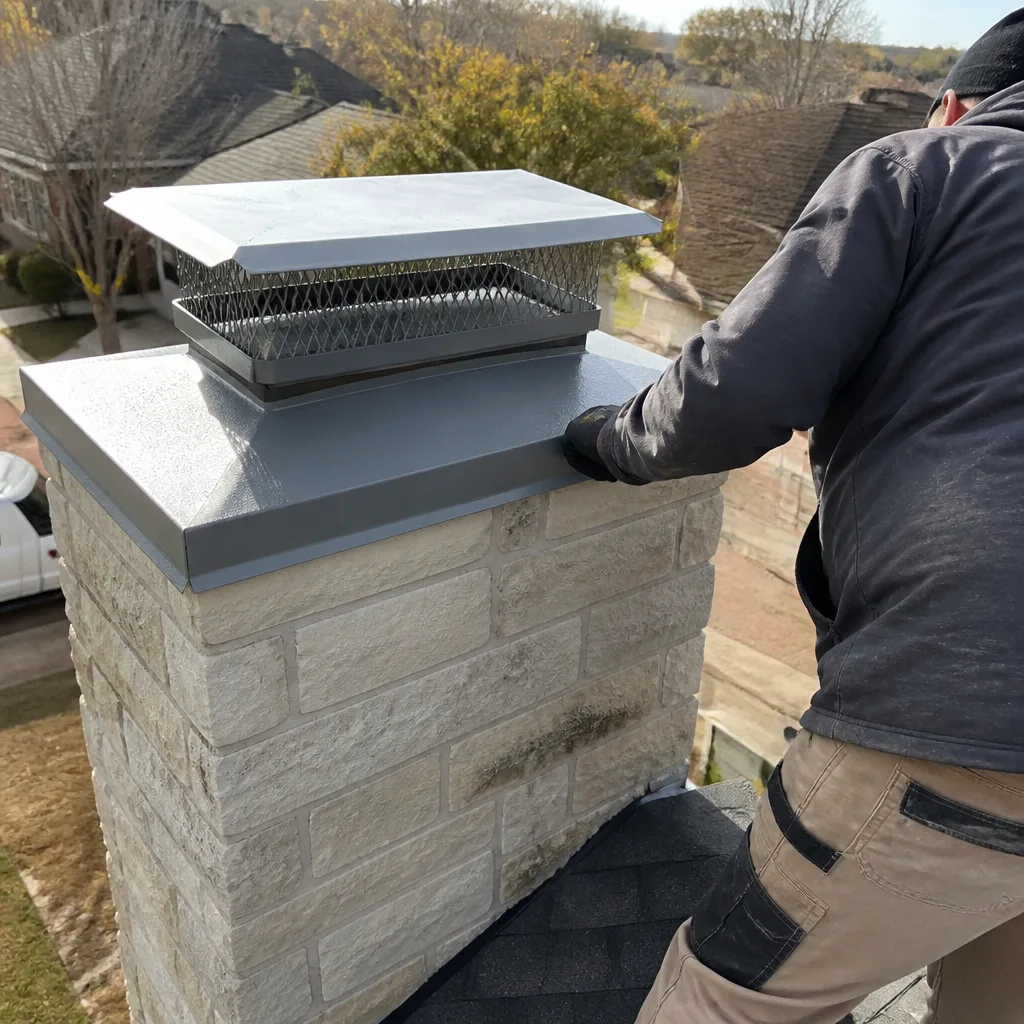 After
After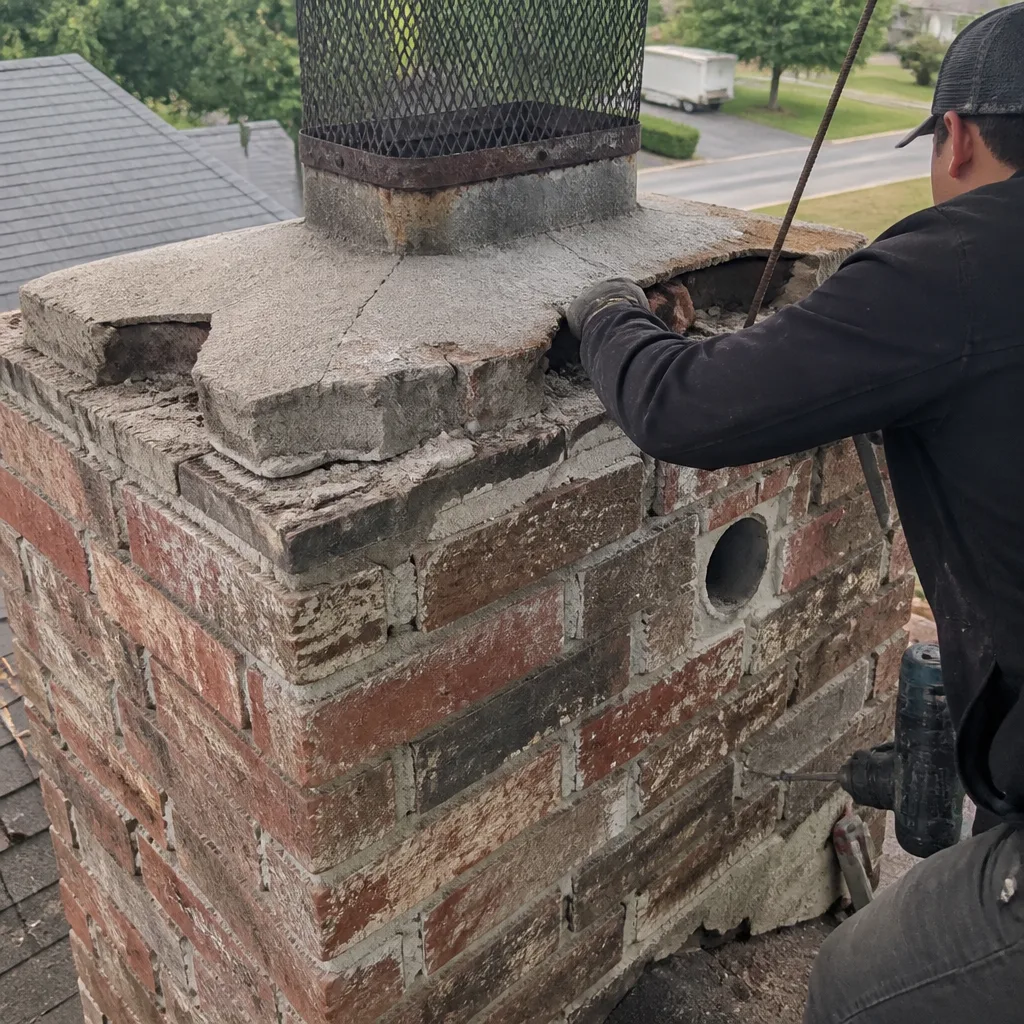 Before
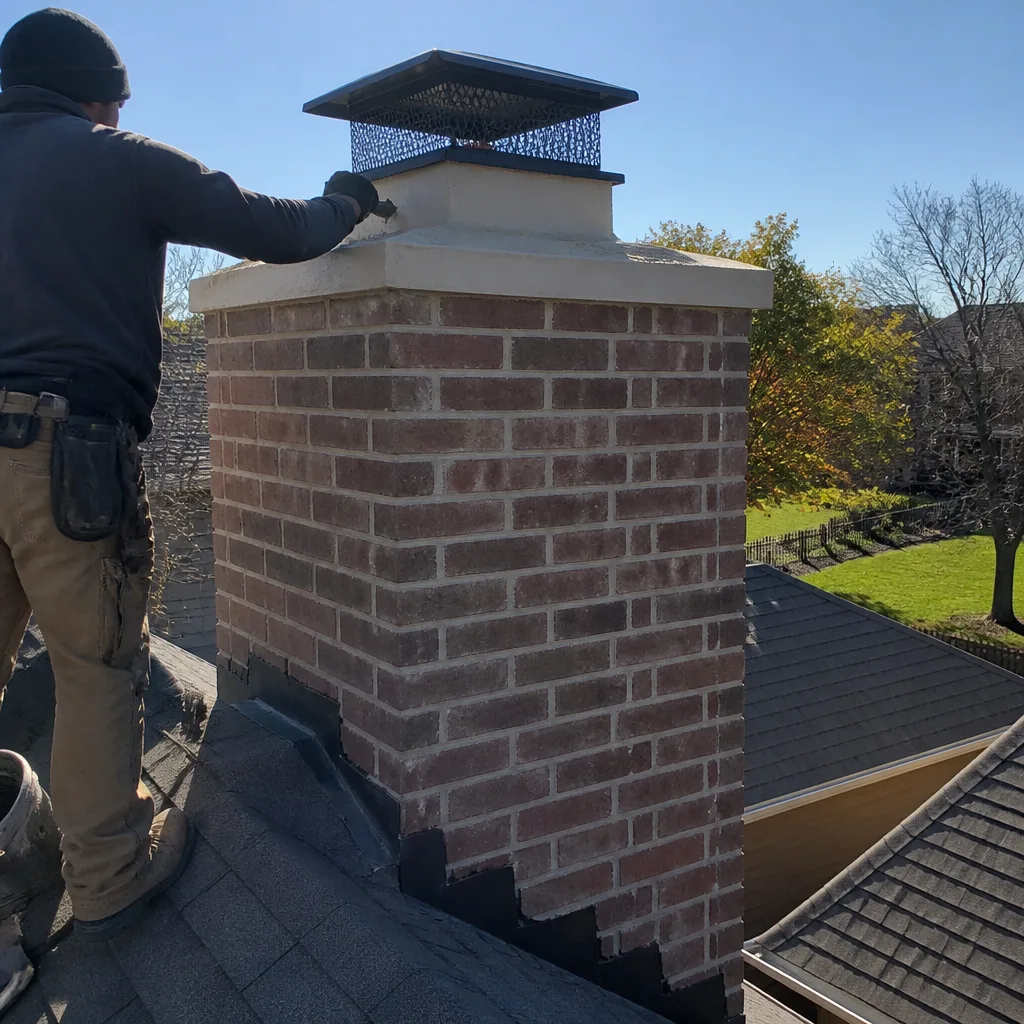 After
AfterChimney Cleaning Permits, Codes & Inspections in TX: What You Need to Know
Here’s the gap most Frisco homeowners don’t discover until they’re at the closing table: a chimney sweep working in your home doesn’t need a permit to clean - but if they pull a cracked liner and reline it without a permit, that violation transfers to you at the title search, not to them. In Collin County’s fast-growing market, where 2015-2025 construction spans multiple code cycles, we’ve seen unpermitted chimney work stall or kill real estate transactions because the repair was invisible until the buyer’s inspector asked for documentation. This guide draws the exact line between unpermitted cleaning and unpermitted work, shows you how to verify what’s been filed in your name, and explains what Texas fire codes actually require versus what contractors often skip - for a deeper dive, see our complete guide to chimney cleaning in Frisco.
Quick Answer
Chimney cleaning and sweeping in Texas does not require a permit - it’s classified as routine maintenance. However, structural repairs, liner replacement, damper installation, firebox rebuilds, and crown replacement typically do require permits under Frisco city ordinance and Collin County building codes. The homeowner, not the contractor, carries liability for unpermitted work when selling or filing an insurance claim.
Table of Contents
- Texas State Code vs. Frisco City Ordinance: Who Governs What
- NFPA 211: The Technical Standard Texas Inspectors Actually Use
- Which Chimney Repairs Require Permits in Collin County
- What the Frisco Permit Inspection Process Looks Like
- How to Verify a Contractor Actually Pulled a Permit
- What Unpermitted Repairs Do to Your Fire-Damage Insurance Claim
- Common Mistakes to Avoid
- When to Call a Professional
- Frequently Asked Questions
BeforeAfterTexas State Code vs. Frisco City Ordinance: Who Governs What
Texas does not maintain a statewide chimney-specific building code. The Texas State Fire Marshal’s Office references NFPA 211 for fire safety standards, but enforcement happens at the municipal level. For Frisco homeowners, this means two overlapping systems: the minimum safety rules from the state, and the specific permit-and-inspection requirements from Frisco Building Inspections.
Frisco operates under the 2021 International Residential Code (IRC) with local amendments, administered by the Frisco Building Inspections Department at City Hall. The city requires permits for “masonry fireplace repair or reconstruction,” “chimney lining,” and “installation or replacement of factory-built fireplaces” - language that appears in Chapter 10 of the adopted code. Cleaning, by contrast, falls under routine maintenance and is explicitly exempt.
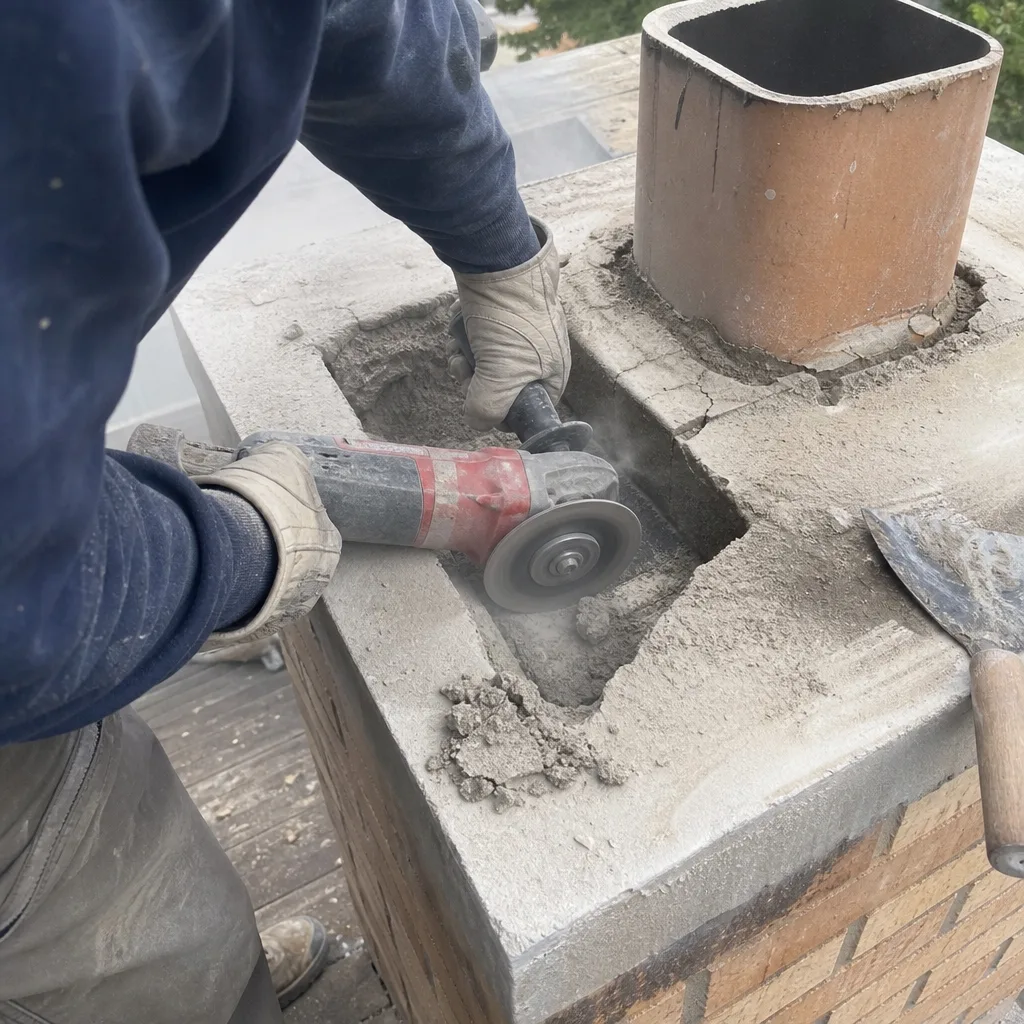
The conflict point arrives when a sweep finds damage during what started as maintenance. A cracked flue liner discovered during a standard sweep in the Newman Village area, for example, transforms the job from exempt maintenance to permitted repair the moment replacement begins. We’ve had Frisco homeowners tell us their previous contractor said the repair was “just part of the cleaning” and didn’t need a permit - one reason we publish chimney cleaning warning signs every Frisco homeowner should know. That’s incorrect. The permit requirement triggers on the nature of the work performed, not how the contractor invoices it.
Collin County adds another layer for unincorporated areas. The Collin County Building Inspections office handles permits outside city limits, and their threshold for requiring inspection is sometimes lower than Frisco’s for certain factory-built chimney systems common in 2015-2020 construction in neighborhoods like The Trails and Phillips Creek Ranch. If your home sits just outside Frisco city limits but uses a Frisco mailing address, verify which jurisdiction actually governs your permit.
Here’s the practical rule: if the work changes the structure, the appliance, or the venting path, assume a permit is required. If it only removes combustible deposits and includes a condition report, it does not.
NFPA 211: The Technical Standard Texas Inspectors Actually Use
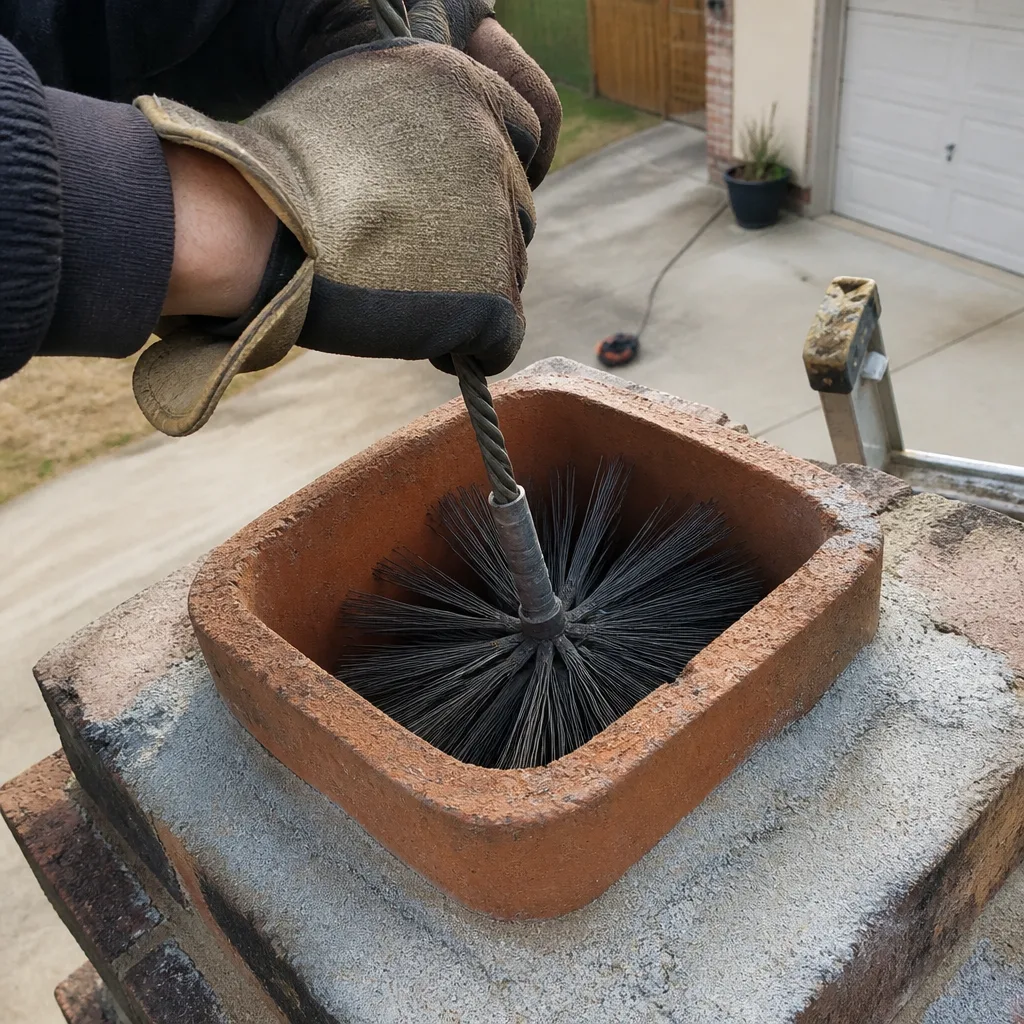
NFPA 211, the Standard for Chimneys, Fireplaces, Vents, and Solid Fuel-Burning Appliances, is published by the National Fire Protection Association. It is not Texas state law. But every municipal inspector in Collin County we’ve encountered references it during chimney-related inspections, and it’s the standard Texas courts use to determine whether work was performed to accepted practice in liability cases.
This matters for Frisco homeowners in two specific ways.
First, NFPA 211 defines three levels of inspection. Level 1 is a visual examination of readily accessible portions. Level 2, which we perform on every Chimney Cleaning & Sweep in Frisco, requires a camera scan of the flue interior, inspection of accessible attics and crawl spaces, and documentation of findings. Level 3 involves demolition of building components to access concealed areas. The 2021 IRC adopted in Frisco does not explicitly require Level 2 inspections, but NFPA 211 Section 14.2 states that Level 2 is required upon sale or transfer of property, after chimney fire or operation malfunction, and before relining. In practice, Frisco inspectors treating permit applications for liner replacement routinely ask for Level 2 documentation.
Second, NFPA 211 contains the technical criteria that determine whether a repair is necessary. A liner with gaps exceeding 1/2 inch at mortar joints, for instance, fails NFPA 211’s integrity standard. A contractor who installs a new liner without documenting that the old one failed this standard has no defensible basis for the work if challenged. This is why Clause 4 of the Haven Standard requires a photo record on every job - not as marketing, but as documentation that the repair met a recognized technical threshold.
We’ve testified in disputes where a homeowner’s insurance denied a fire claim because the relining work preceding the fire couldn’t be shown to meet NFPA 211 criteria. The contractor had no photos, no written scope, no permit record. The homeowner lost. The contractor had already dissolved the LLC.
When we document a liner condition in a Frisco home, we cite the specific NFPA 211 section the condition violates. The customer receives that documentation. If a permit inspector or insurance adjuster asks later, the chain of evidence exists.
Which Chimney Repairs Require Permits in Collin County
Based on Frisco’s adopted 2021 IRC with amendments, and confirmed through direct inquiry with Frisco Building Inspections, the following chimney work categories require permits:
| Repair Category | Permit Required? | Inspection Type | Typical Frisco Fee Range |
|---|---|---|---|
| Chimney cleaning/sweeping | No | None | N/A |
| Flue liner replacement (any material) | Yes | Rough + Final | $150-$400 |
| Firebox rebuild or refractory panel replacement | Yes | Final | $100-$250 |
| Damper replacement (throat or top-mount) | Yes | Final | $75-$150 |
| Crown rebuild or pour | Yes | Final | $75-$200 |
| Chimney cap installation (decorative/weather) | No | None | N/A |
| Chimney cap installation (with spark arrestor/vented) | Yes | Final | $75-$150 |
| Factory-built chimney system repair | Yes | Manufacturer + City | $200-$500 |
| Smoke chamber parging | Yes | Final | $100-$250 |
The fee ranges above are drawn from Frisco’s published fee schedule and our permit-pulling experience since 2009. They do not include plan review fees for engineered liner systems or historic structures, which apply to some Preston Road corridor homes.
Two categories deserve special attention for Frisco’s housing stock.
Factory-built fireplaces in 2015-2020 construction: Neighborhoods like Hollyhock, Lawler Park, and Richwoods contain thousands of factory-built units installed by production builders. These systems use proprietary chimney components, and Frisco requires both city inspection and manufacturer certification for repairs. We’ve encountered homeowners who had a handyman replace a damaged chimney chase cover with generic sheet metal, unaware that the factory-built system required a listed component. That repair fails both NFPA 211 and Frisco code, and it’s uninsurable if documented.
Clay liner damage in pre-2010 homes: Older Frisco neighborhoods like Frisco Square original sections and much of the downtown corridor have unlined brick chimneys or single-wythe clay tile liners that have spalled after decades of freeze-thaw cycling. Relining these with a stainless steel system from DuraFlex or a cast-in-place system from HeatShield triggers the full permit and inspection sequence. The temptation to skip permitting is strong because the work is entirely internal and invisible. But these are also the homes most likely to be sold to renovation-minded buyers who order full inspections.
We source liner materials through DuraFlex, HeatShield, and other manufacturers in our buying network specifically to ensure every component carries the UL listing that Frisco inspectors verify. An unlisted liner, even properly installed, fails inspection.
What the Frisco Permit Inspection Process Looks Like
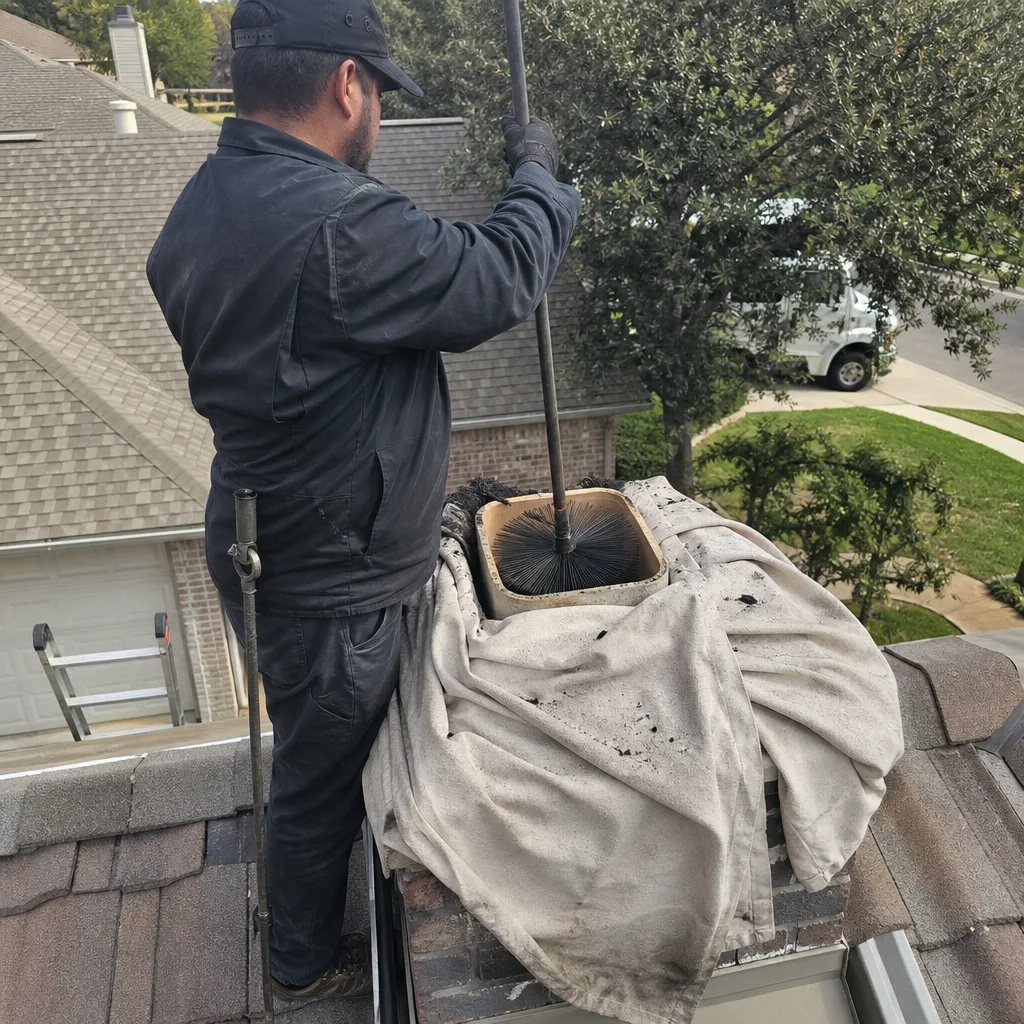
Understanding the actual sequence helps you verify whether a contractor followed through. Here’s what happens when Level Two Chimney Frisco pulls a permit for liner replacement in Frisco:
- Application submission: We submit the permit application online through Frisco’s Citizen Self Service portal, including the property address, scope of work, contractor license information, and homeowner authorization. The application references NFPA 211 Level 2 inspection documentation when the repair was triggered by documented damage.
- Plan review (if required): Engineered liner systems, historical structures, or repairs requiring structural modification go to plan review. Standard stainless steel relining of a residential chimney typically proceeds without this step. Timeline: 1-3 business days for standard applications, 5-10 for plan review.
- Permit issuance: Frisco issues the permit number and inspection schedule. We provide this number to the homeowner in writing before work begins - Clause 1 of the Haven Standard, “Have it in writing.”
- Rough inspection (liner replacement only): For liner replacement, Frisco requires a rough inspection after the liner is dropped but before connection to the appliance. The inspector verifies proper sizing, clearance to combustibles, and support installation. We schedule this; the homeowner does not need to be present but we notify them of the date.
- Final inspection: After completion, we call for final inspection. The inspector verifies termination height, spark arrestor compliance, proper clearances, and visible workmanship. For factory-built systems, the inspector confirms listed components.
- Certificate of completion: Upon passing final inspection, Frisco issues a certificate. We deliver a copy to the homeowner with their final documentation packet, including the photo record under Haven Standard Clause 4.
Total timeline from permit application to certificate: typically 5-10 business days for standard residential work, assuming no corrections. Weather delays in January and February can extend this.
The homeowner receives three verification points: the permit number at booking, the inspection results, and the certificate at completion. If any of these is missing, the permit was not properly closed.
How to Verify a Contractor Actually Pulled a Permit
We’ve inherited jobs in Frisco where the previous contractor claimed permits were “handled” and the homeowner discovered at sale that nothing was filed. Verification takes five minutes and should be standard practice for any repair over $1,000.
Step 1: Get the permit number before work starts. Any contractor who says they’ll “file after” or “take care of it” without giving you a number is suspect. We provide the Frisco permit number in our written scope before any work begins.
Step 2: Check the Frisco Citizen Self Service portal. Navigate to the “Permits” search function at Frisco’s official city website. Enter your property address or the permit number. A valid permit shows the application date, contractor name, scope of work, status (Issued, Inspected, Finalled), and inspection dates.
Step 3: Verify what the permit actually covers. We’ve seen cases where a contractor pulled a “cap replacement” permit but performed full relining. The permit scope must match the work performed. Mismatched scope is functionally unpermitted work.
Step 4: Confirm final inspection status. An “Issued” permit that never reached “Finalled” status means the work was not inspected and is not code-compliant. Some contractors abandon permits when they fail inspection rather than make corrections. The homeowner inherits this problem.
Step 5: Request the certificate of completion. Frisco provides this upon final approval. We include it in every customer’s documentation packet. If your contractor cannot produce it, the permit cycle is incomplete.
For Collin County unincorporated areas, use the Collin County Engineering Department permit lookup. The interface is less user-friendly; call (940) 290-7230 with your address if online search fails.
One Frisco-specific note: the city’s rapid growth means some addresses in newer developments (particularly north of Panther Creek Parkway) may not appear in the online system immediately after construction. If your address returns no results, call Frisco Building Inspections directly at (940) 290-7230 to verify whether the permit was filed under a plat or lot number rather than street address.
What Unpermitted Repairs Do to Your Fire-Damage Insurance Claim
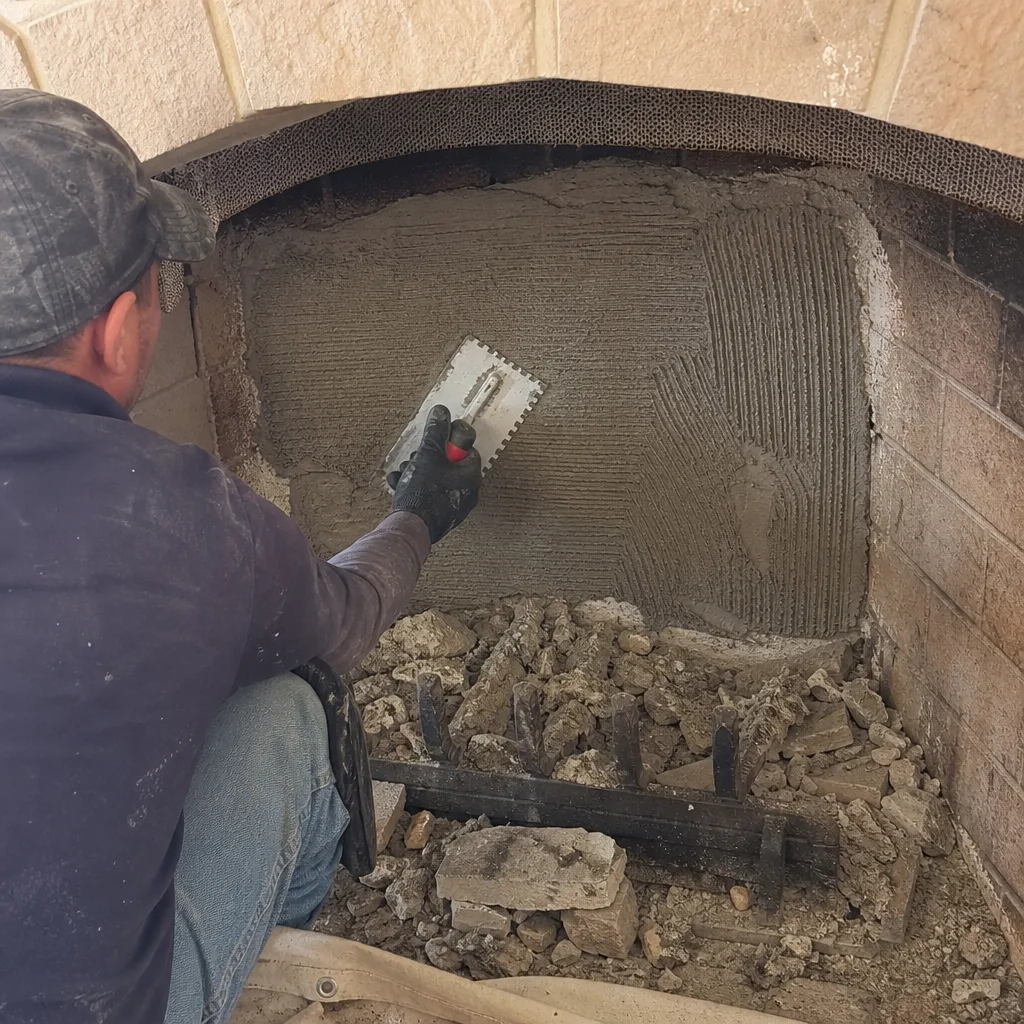
This is where the abstract becomes concrete. Texas homeowners insurance policies contain standard exclusions for damage resulting from “faulty, inadequate, or defective construction, repair, or renovation” - language that appears in ISO form HO-3 and HO-5 policies used by major carriers in Frisco. Unpermitted chimney work falls squarely within this exclusion when the insurer can demonstrate the work did not meet code.
The sequence we see in denied claims follows a pattern:
- Homeowner has chimney relined by unpermitted contractor, often at lower cost
- Fire occurs due to liner failure, improper clearance, or disconnected section
- Insurance adjuster requests permit records as part of standard fire investigation
- No permit exists; adjuster photographs installation defects
- Carrier denies claim under construction-defect exclusion
- Homeowner sues contractor; contractor is judgment-proof (no insurance, dissolved entity)
- Homeowner bears full repair and liability costs
The specific policy language to look for in your declarations page: “We do not cover loss caused by … faulty, inadequate, or defective … (4) design, specifications, workmanship, repair, construction, or renovation.” Some Frisco-area policies add explicit sub-limits for “work performed without required permits.”
We’ve reviewed competitor estimates for Frisco homeowners where the “savings” from skipping permitting ranged from $200-$600. The average chimney fire claim in Texas, per industry data, exceeds $18,000 in structure damage alone, before content loss and temporary housing. The permit fee is not where to economize.
Our Chimney Repair in Frisco estimates always include permit costs where required, broken out as a line item. Clause 1 of the Haven Standard requires this transparency. If a competitor’s estimate lacks a permit line item for liner replacement, crown rebuild, or firebox repair, ask directly whether permitting is included. An evasive answer is information.
Common Mistakes to Avoid
- Assuming cleaning and repair permitting are the same thing. We’ve had Frisco homeowners in Stonebriar cancel permitted repair estimates because they “already had the chimney done last year” - referring to a sweep that correctly required no permit. The sweep found damage and didn’t explain that the subsequent repair would need one.
- Accepting “the homeowner doesn’t need to know” as an answer. Some contractors frame permit avoidance as a favor. In Frisco’s disclosure-heavy real estate market, the permit record is searched at sale. The favor expires when you list.
- Not matching permit scope to work performed. A contractor pulls a cap permit, installs a liner, and tells you it’s “covered.” It’s not. The inspection verifies only what the permit describes.
- Ignoring factory-built system requirements. Production builders in Frisco’s 2015-2020 neighborhoods often installed units with specific chase and termination requirements. Generic repairs that ignore the manufacturer’s installation instructions fail inspection even if the city permit was technically pulled.
- Failing to get the certificate of completion. An inspected permit and a finalled permit are different statuses. Only the certificate proves the work passed. We deliver this with every permitted job; some competitors never request final inspection.
- Not checking permit status before paying in full. We structure payment with permit-dependent holdbacks on large repairs. If your contractor demands full payment before final inspection, they’ve removed your leverage to ensure proper closure.
- Assuming unincorporated Collin County has no rules. Areas near Frisco with Frisco mailing addresses but county jurisdiction often surprise homeowners. The county’s factory-built fireplace inspection requirements are sometimes stricter than Frisco’s.
When to Call a Professional
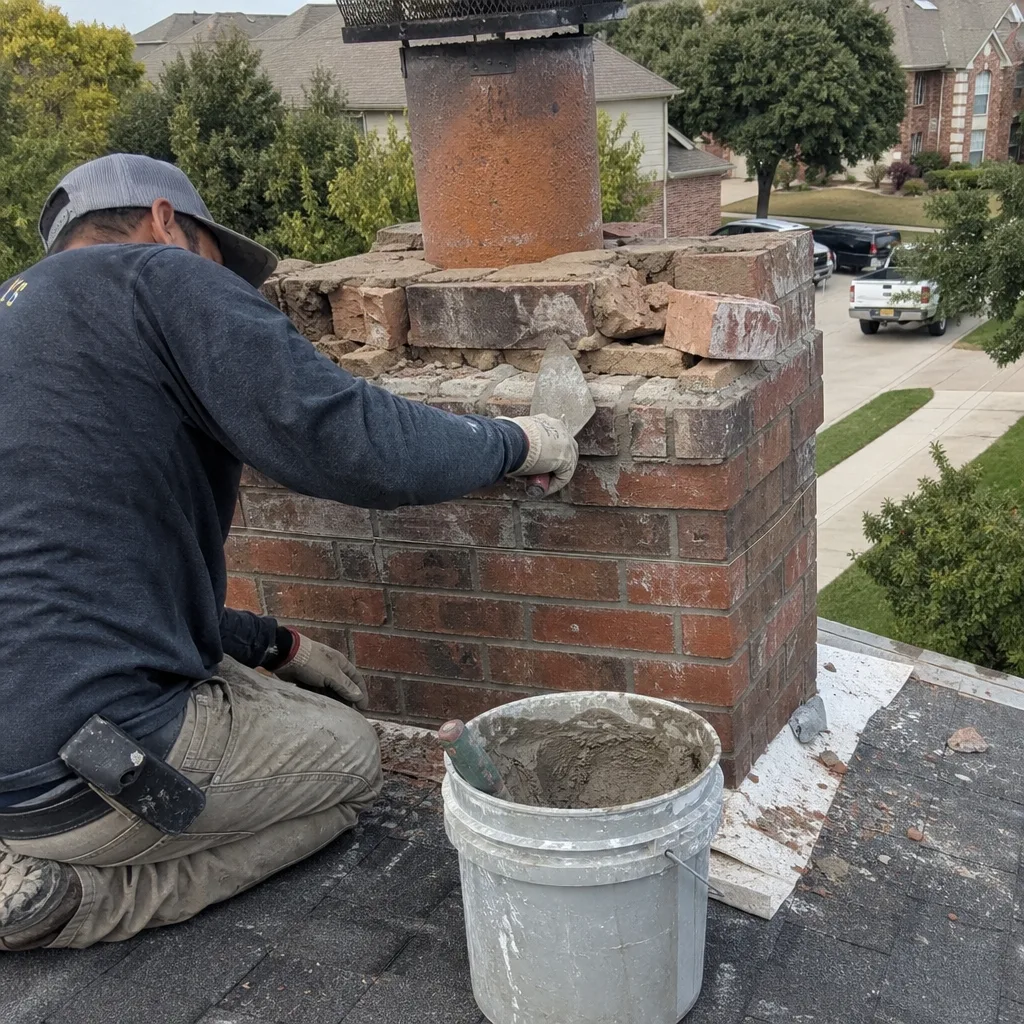
Call a chimney professional when your sweep reveals damage beyond routine maintenance, when you’re purchasing a home and need documentation of chimney condition, when your insurance requires inspection after a claim, or when you’re preparing to sell and want to preempt disclosure issues - our Chimney Cleaning & Sweep Maintenance Checklist for Frisco Homeowners covers what to expect at each stage. In Frisco’s competitive market, a clean permit history and documented inspection record differentiate your listing.
Level Two Chimney Frisco offers free estimates throughout Frisco and Collin County. Every estimate includes a written scope, written price, and written warranty before any work begins - Clause 1 of the Haven Standard. We pull permits transparently, deliver the certificate with your documentation, and maintain the photo record under Clause 4. Call (940) 290-7230 to schedule. Our Fireplace Services in Frisco page details additional inspection and maintenance options.
Frequently Asked Questions
A standard NFPA 211 Level 2 chimney sweep and inspection in Frisco typically runs $199-$349, depending on appliance type, roof access, and whether the system is factory-built or masonry. This includes the camera scan, photo documentation, and written condition report. Call (940) 290-7230 for an exact quote - estimates are free.
You need a new liner when the existing one has gaps, cracks, or missing sections that compromise containment of heat and combustion gases - conditions we document with camera footage and cite to NFPA 211 criteria. If the liner is intact with only surface glaze or Class I/II creosote, cleaning is sufficient. We show you the footage and explain the difference before recommending anything.
NFPA 211 recommends annual inspection; cleaning frequency depends on use. In Frisco, where mild winters mean many homeowners use fireplaces intermittently, we often find insufficient heat to drive complete combustion, leading to more creosote accumulation per fire than in colder climates. Annual inspection determines whether cleaning is needed; most active fireplaces in Frisco require sweeping every 1-2 years.
Skipped maintenance leads to creosote buildup, which can ignite and cause chimney fires that damage liners and surrounding structure. More commonly, deteriorated liners or blocked flues allow carbon monoxide infiltration - a risk that increases with gas log retrofits in older Frisco homes where the original liner was sized for wood combustion temperatures. The camera inspection reveals which risk applies to your system.
Yes, Frisco allows homeowner-permitted work, but the permit holder becomes the responsible party for code compliance. Most reputable chimney contractors prefer to pull permits in their own name because they carry the liability insurance and workmanship warranties that align with permit responsibility. If you self-permit, verify your contractor’s insurance names you as additional insured.
Search your address on the Frisco Citizen Self Service portal or call Frisco Building Inspections at (940) 290-7230. For work predating online records (before approximately 2015), submit a public records request. When we encounter undocumented prior work during inspection, we note it in our report and can often identify unpermitted liners by installation details that don’t match code-compliant methods.
The Bottom Line
Chimney cleaning in Texas requires no permit - but the repairs that cleaning reveals often do, and the liability for skipping them rests with the homeowner, not the contractor. Frisco’s adoption of the 2021 IRC, Collin County’s additional requirements for factory-built systems, and NFPA 211 as the technical reference standard create a three-layer compliance environment that rewards documentation and punishes shortcuts. Verify permits through the city portal, demand certificates of completion, and never accept “we’ll handle it” without a number. For more guides & resources on protecting your home and investment, explore our blog. The cost of proper permitting is minor against the cost of a stalled sale or denied claim.
Written by Corrine Halstead, Owner at Level Two Chimney Frisco, serving Frisco since 2009.