
Level 1 sweep and inspection to the NFPA 211 annual standard - flue, crown, cap, and flashing checked and photographed
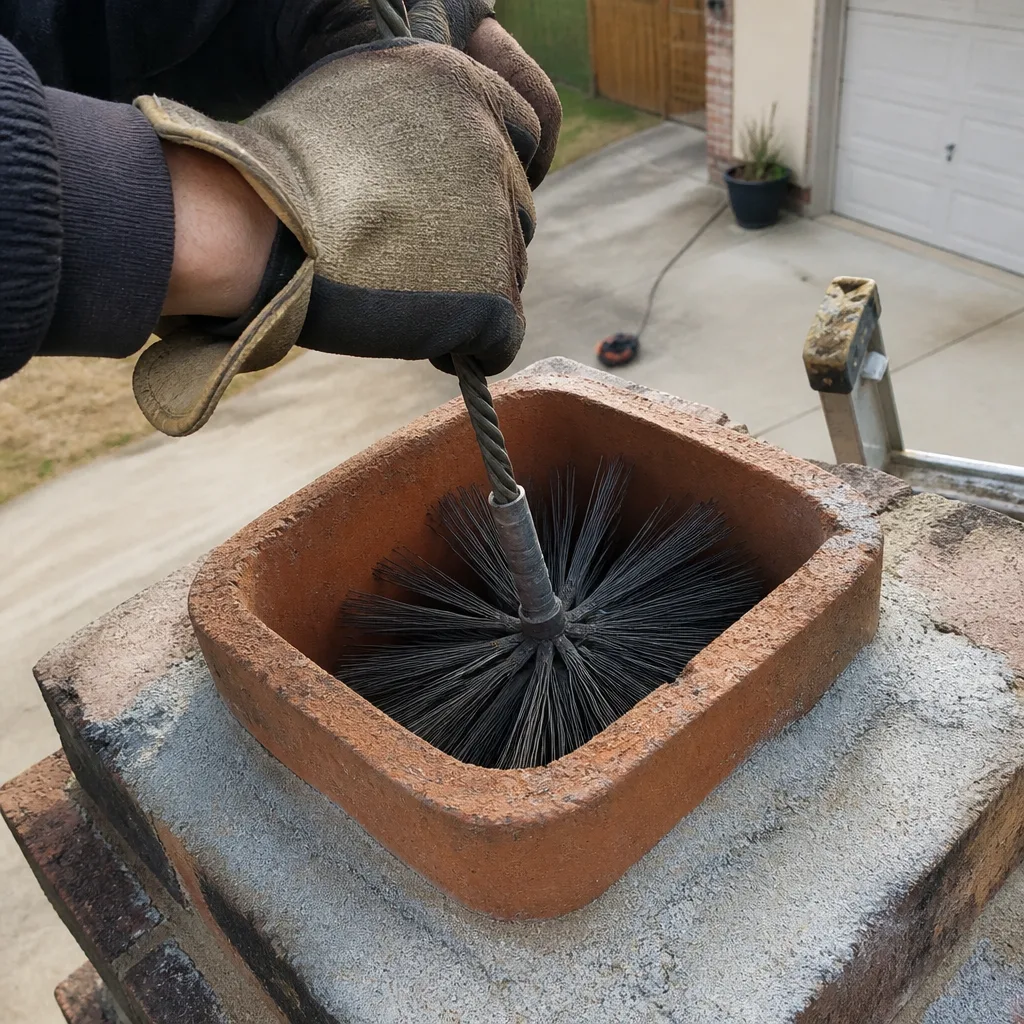
Chimney sweep logs do not sweep chimneys. They loosen some creosote - which then falls where a brush and vacuum still have to collect it.
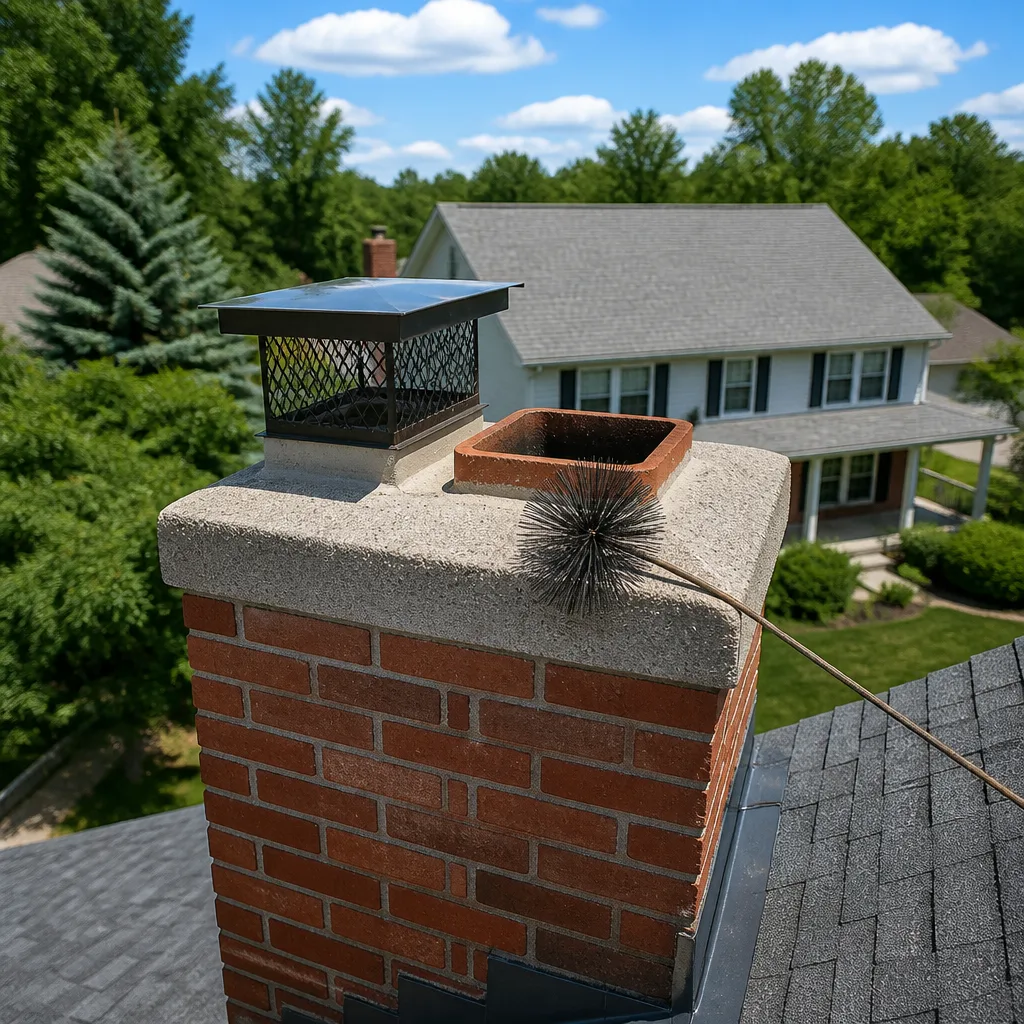
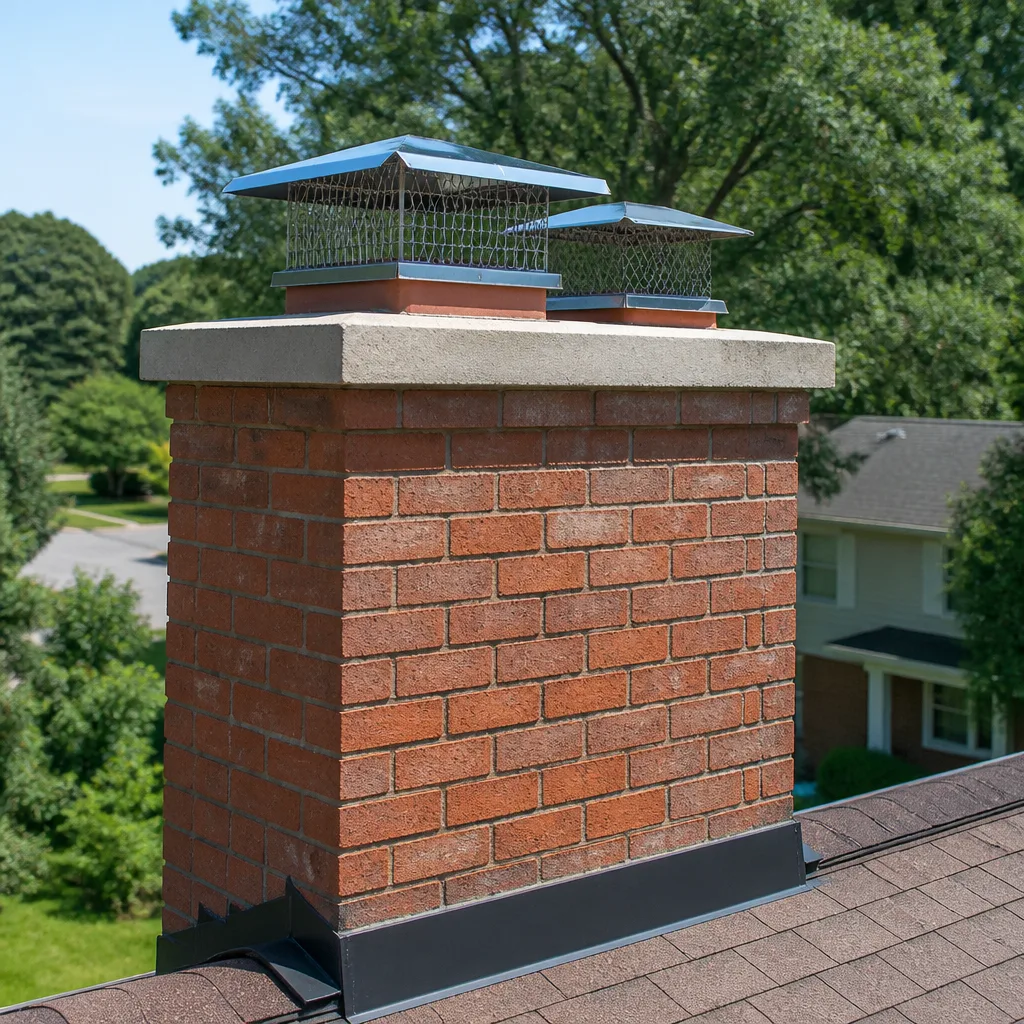
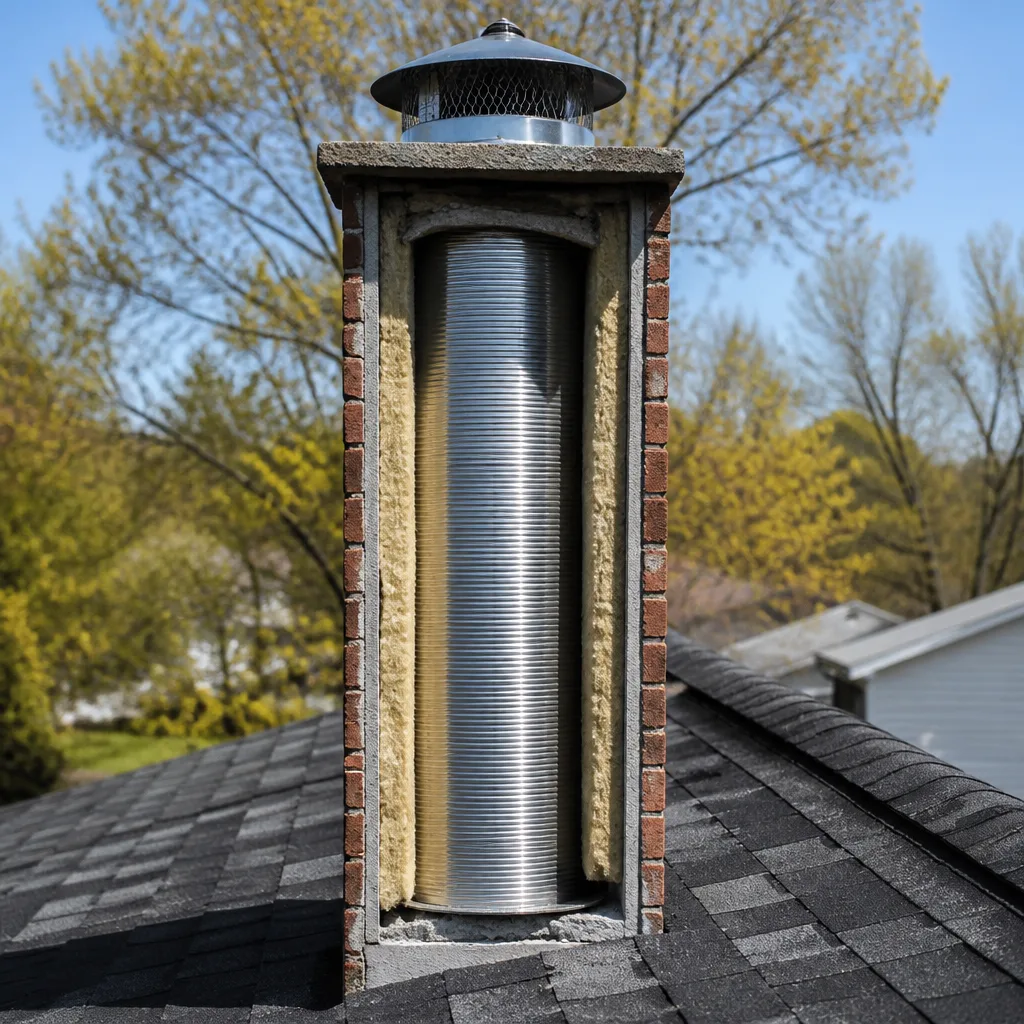
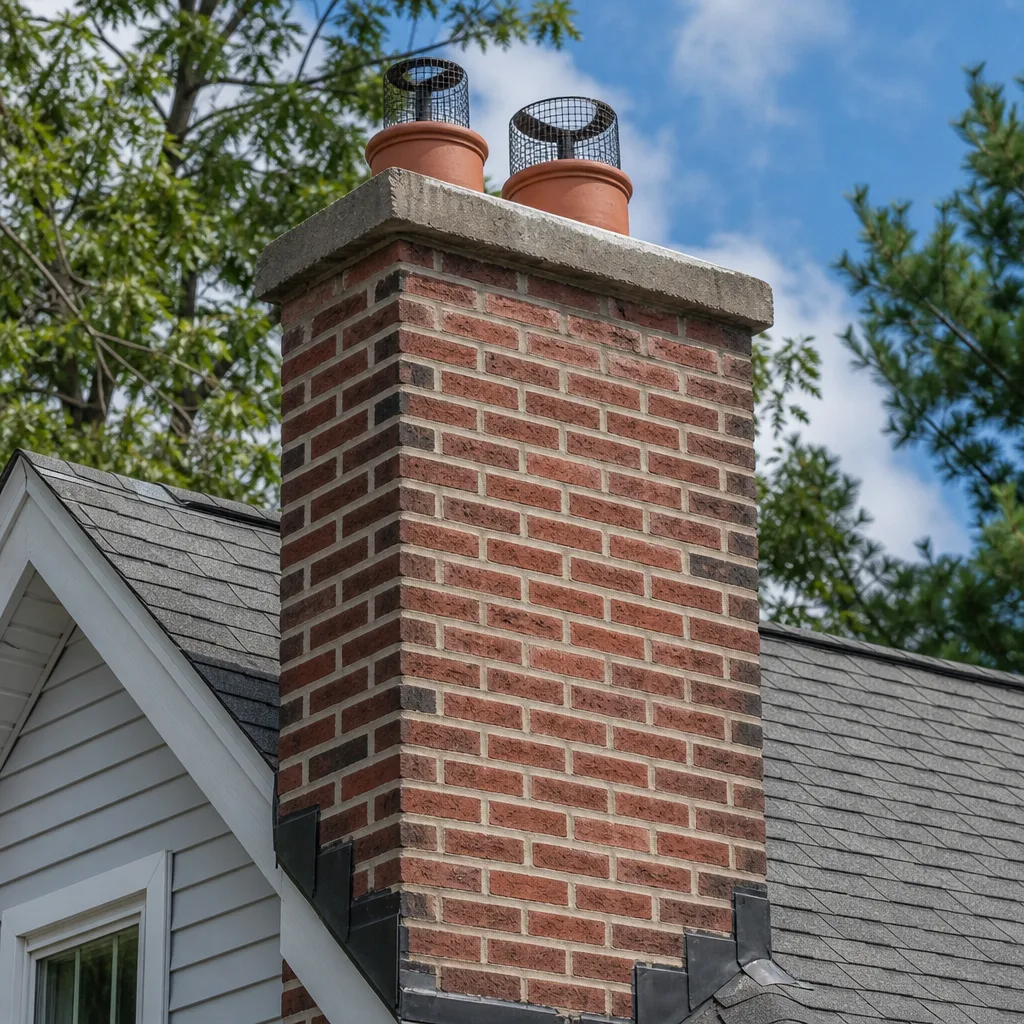
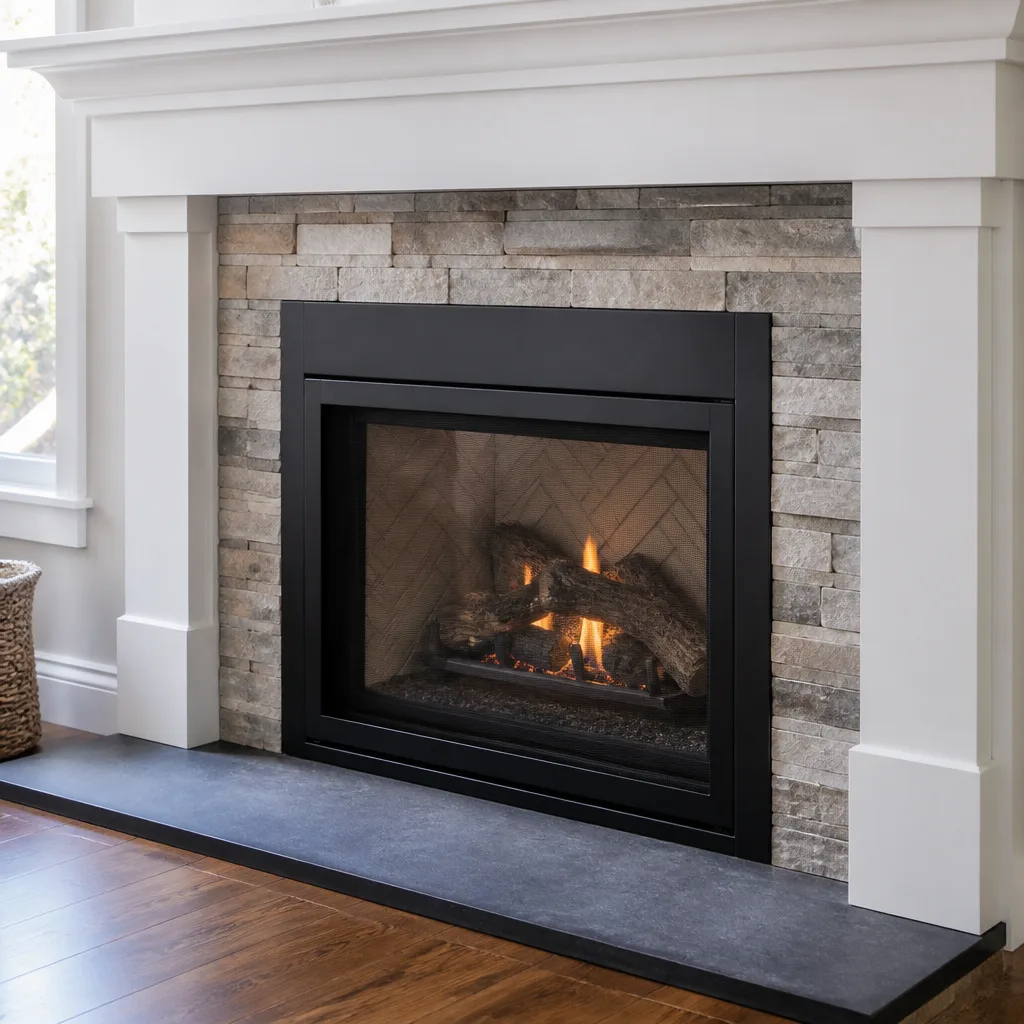
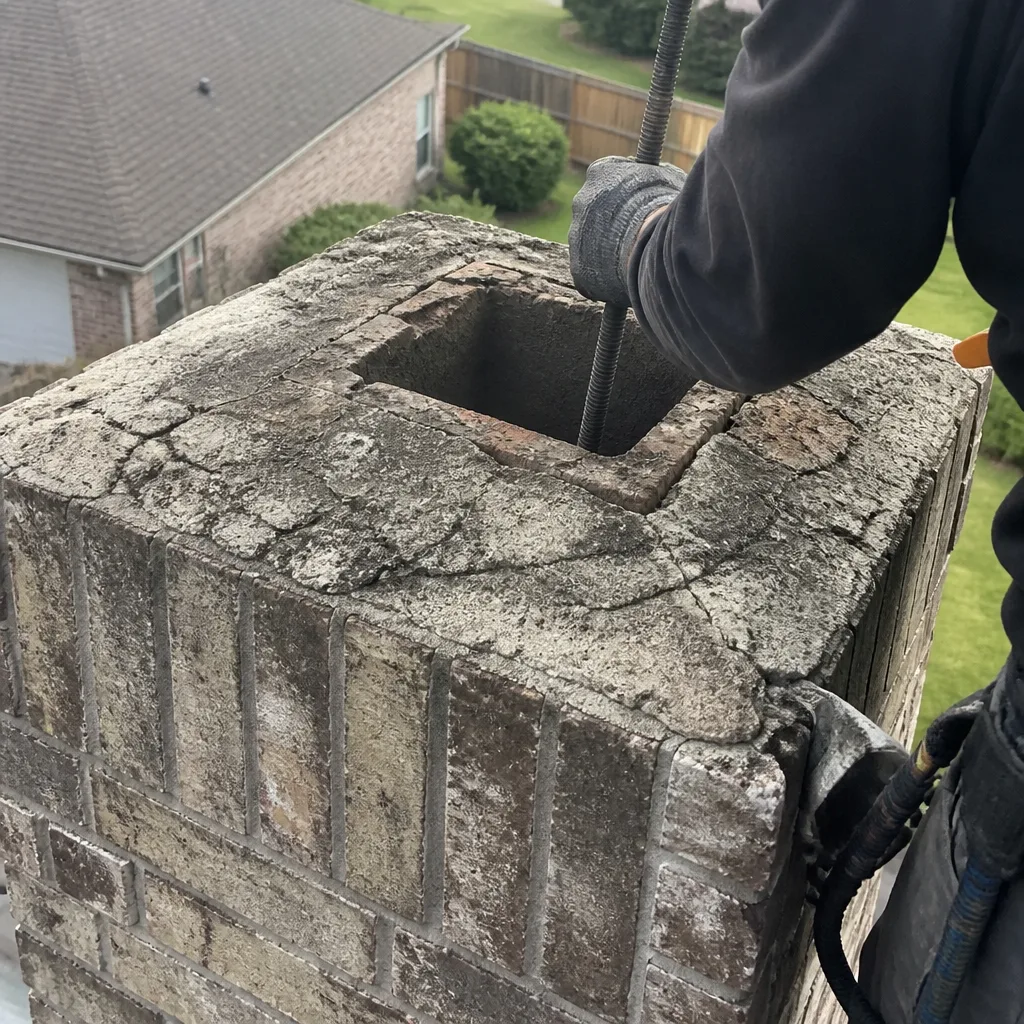 Before
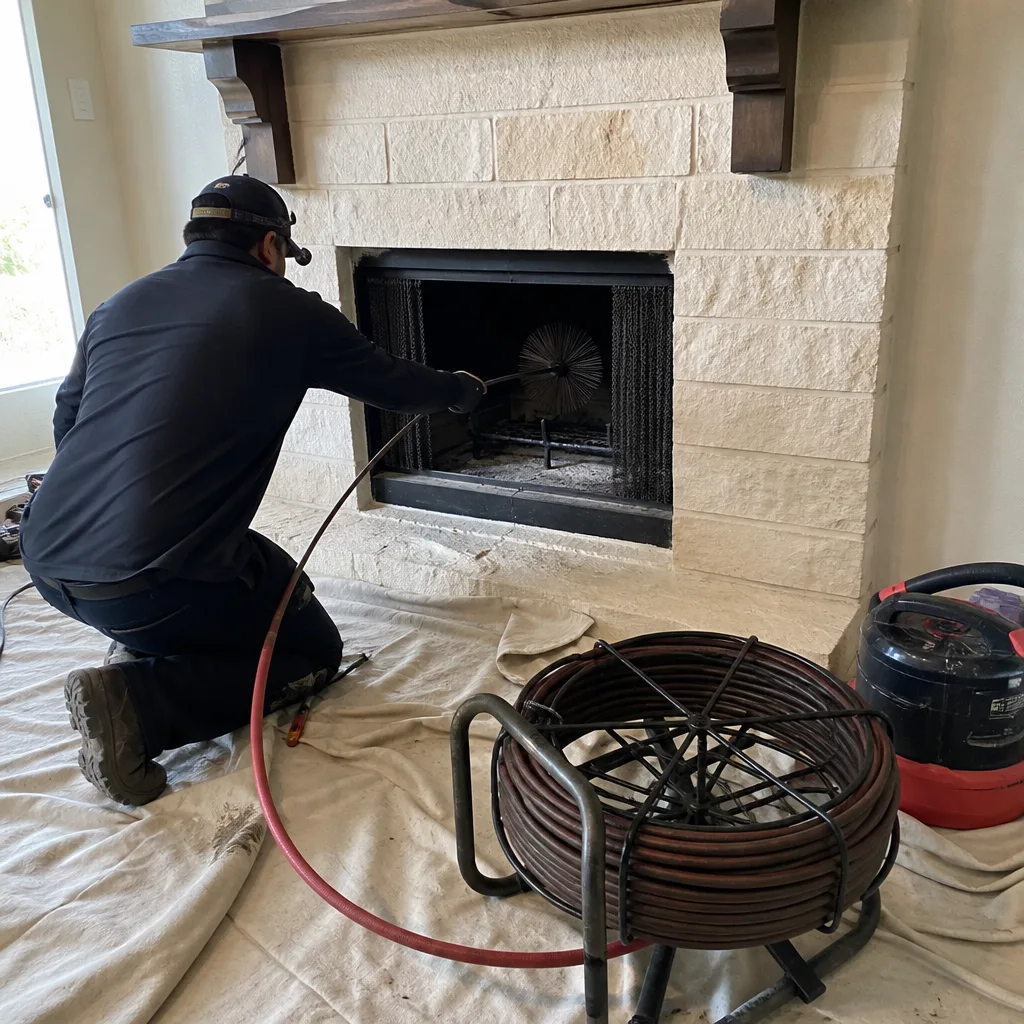 After
After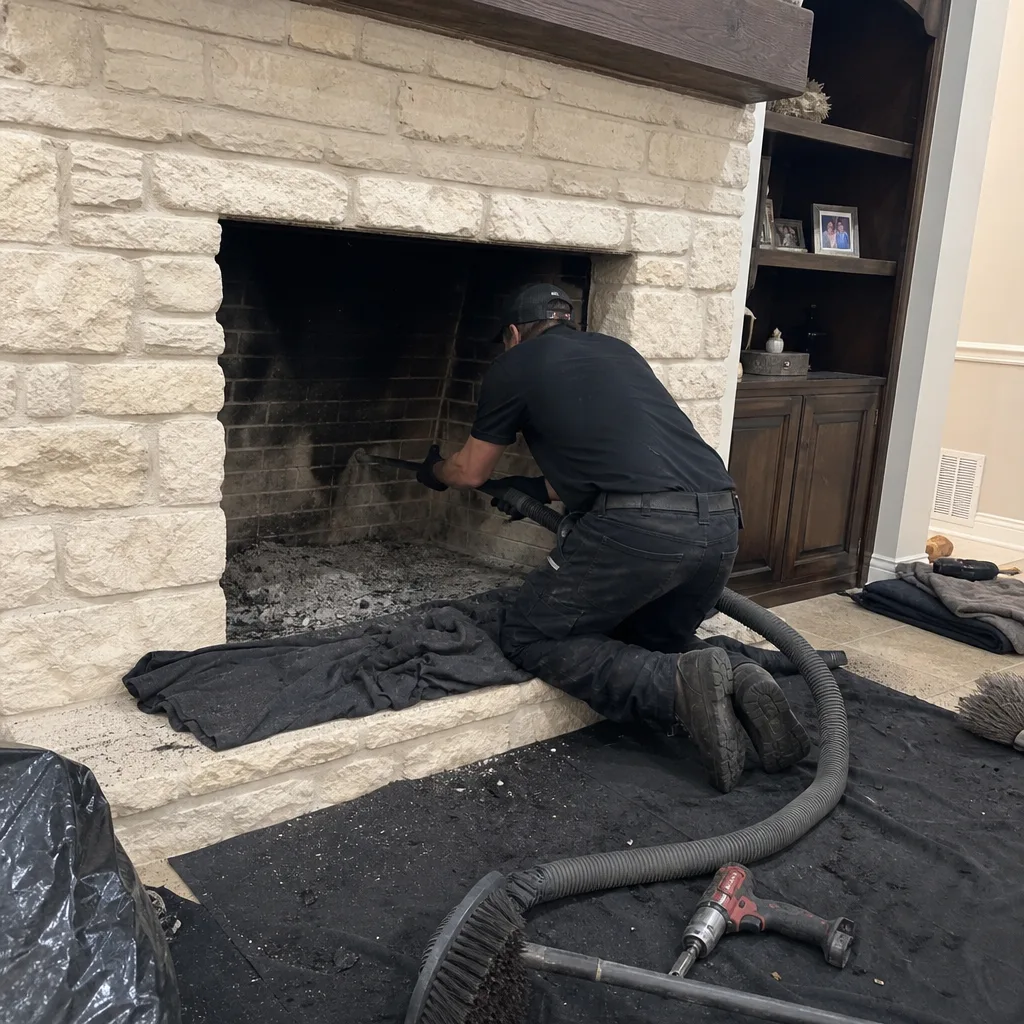 Before
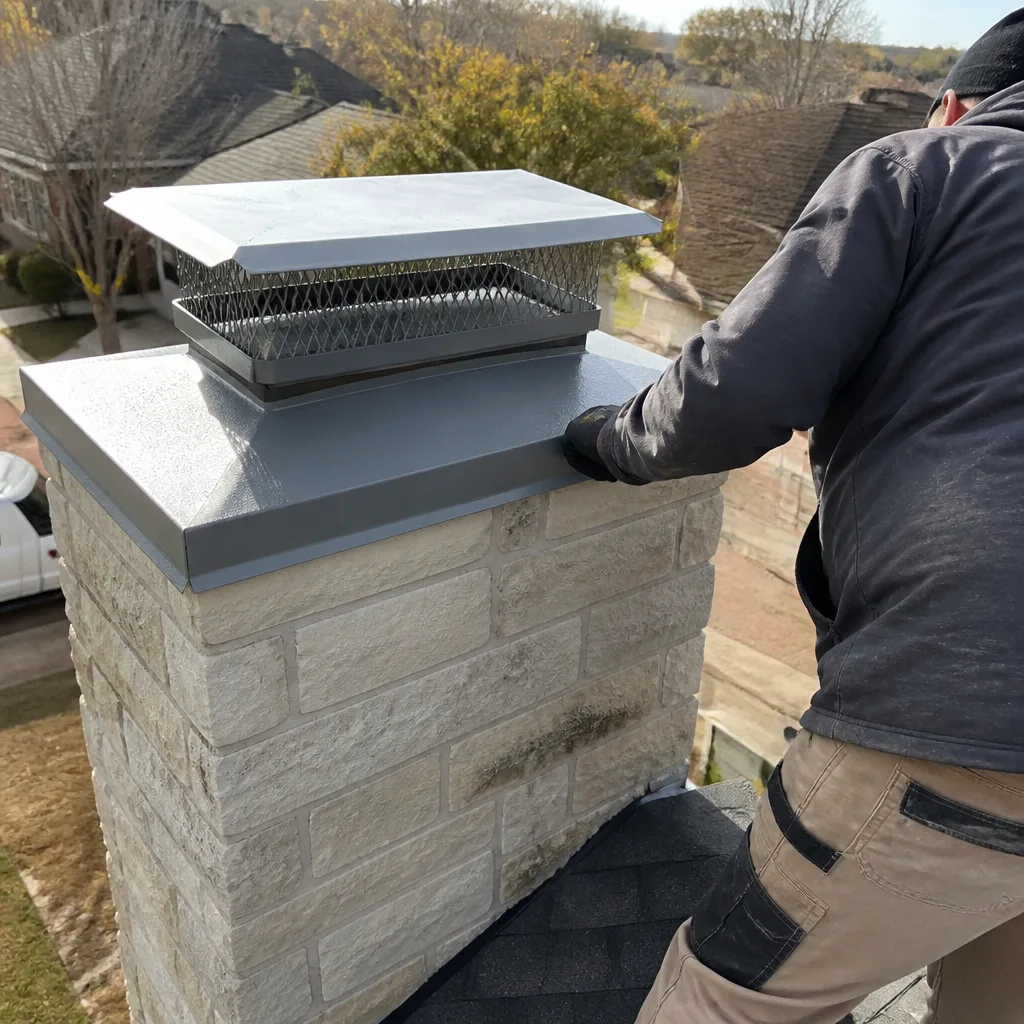 After
After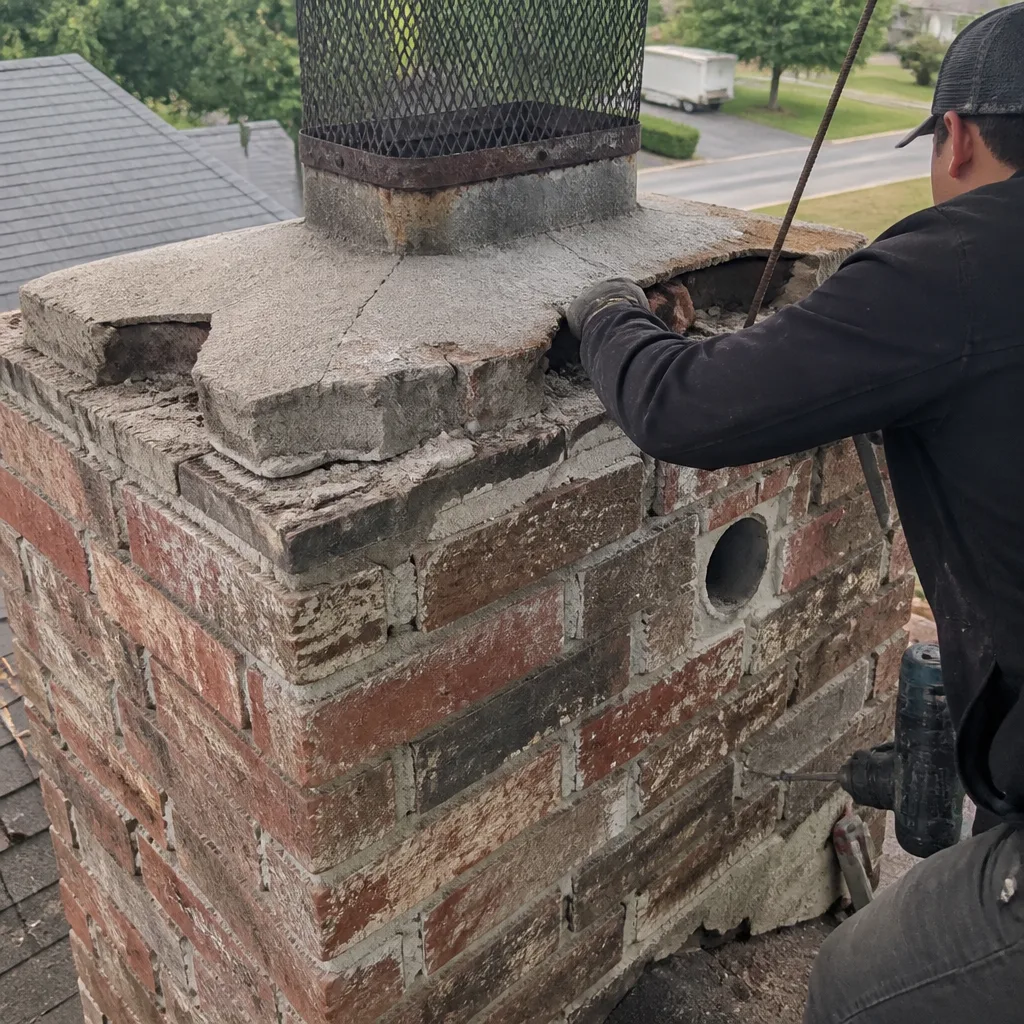 Before
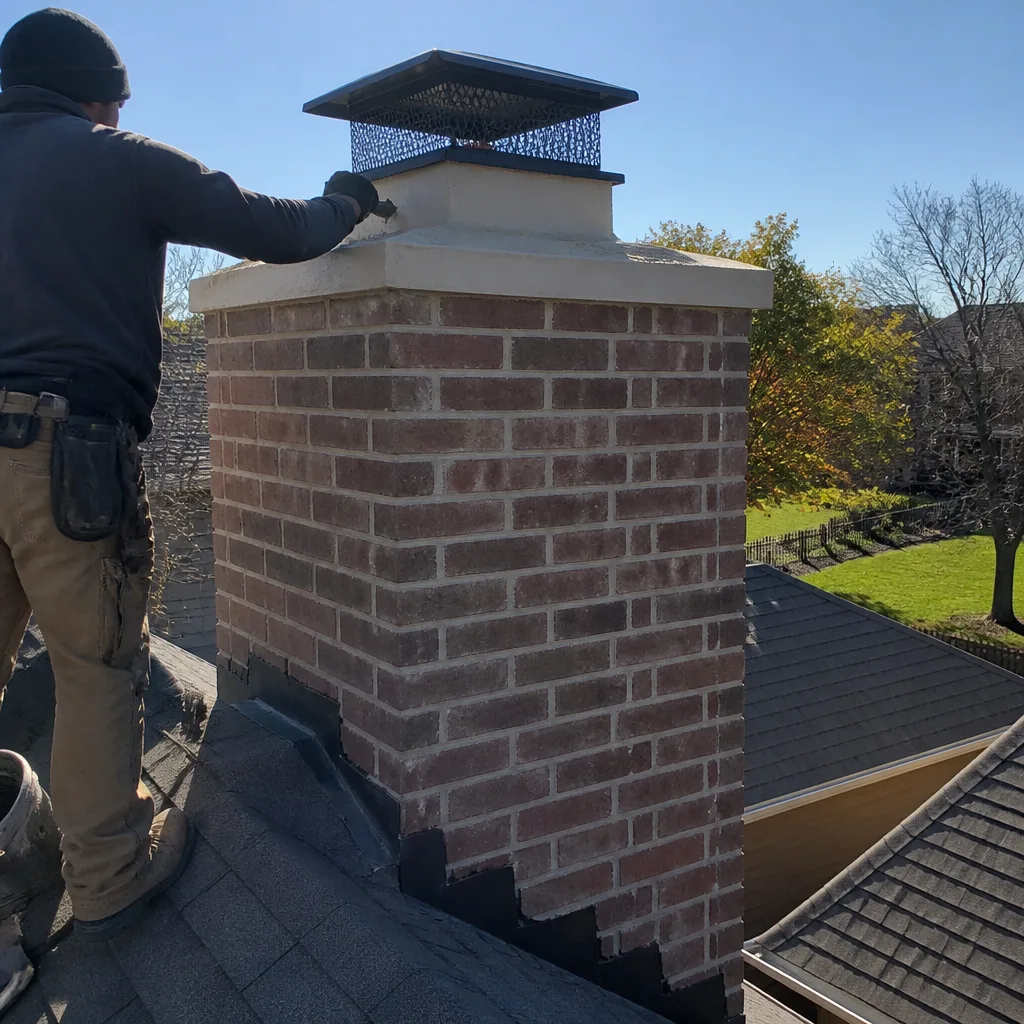 After
AfterHeatShield Chimney Liner & Rebuild in Frisco: What to Know First
We provide independent HeatShield chimney liner and rebuild service in Frisco, with most liner replacements and partial rebuilds scheduled within a week of your call and completed in one to two days. Every job starts with a written price before any work begins, backed by our 365-Day Done Right Promise. This page is for Frisco homeowners who already have a HeatShield liner or are considering one, and need straight answers on what’s failing, what it costs, and who can actually fix it. Call (940) 290-7230 for a free estimate or to book your NFPA 211 Level 2 inspection.
How HeatShield Products Fail - and How We Fix Them
HeatShield makes good refractory products, but no liner survives Frisco’s clay soil shifting, thermal cycling, and the occasional ice dam forever. Here are the failure patterns our camera finds in Frisco homes, organized by product line:
- Cerfractory Flue Sealant (the “green sleeve” system) - delamination from thermal shock. This spray-applied liner coating is common in 1980s-2000s Frisco builds, especially in neighborhoods like Starwood where larger hearths run longer burns. The cerfractory layer separates from the clay tile beneath when the flue heats unevenly, creating a gap that traps moisture. We strip the failed coating, re-surface with HeatShield-compatible refractory or recommend a stainless steel liner if the underlying clay is too compromised.
- HeatShield Joint Repair System - mortar joint washout from condensing gas appliances. When a furnace or water heater vents into a chimney lined with HeatShield joint repairs, the acidic condensate eats the refractory mortar from the inside out. We see this in Frisco’s newer subdivisions where high-efficiency appliances were retrofit to old flues. Our fix: camera-confirm the damage depth, then either re-point with OEM HeatShield refractory or sleeve with a flexible stainless liner if the washout extends past the smoke chamber.
- HeatShield Sleeve (stainless steel) - crevice corrosion at the seam weld. The 316Ti alloy resists most flue gases, but the longitudinal seam weld is the weak point, especially if the installer didn’t fully expand the sleeve during original placement. We find pinhole leaks at the seam in Frisco homes where hard water mineral deposits accelerate the attack. Repair options: localized patch with a compatible sleeve section, or full replacement with a DuraFlex or Gelco seamless alternative if corrosion is widespread.
- Smoke chamber parging with HeatShield Chamber Coat - cracking from rapid cooldown. Frisco’s freeze-thaw cycles are brutal on parged smoke chambers. When homeowners let fires die overnight and outside temps drop below 30, the chamber coat cracks vertically. These cracks don’t always show on a standard sweep inspection; we catch them with the camera angled up from the firebox. We remove loose material and re-apply Chamber Coat to manufacturer thickness, or switch to a cast-in-place liner system if the structural integrity is gone.
- Transition failures where HeatShield meets clay or metal. The interface between a HeatShield repair and original flue material is a stress concentrator. In Frisco’s expansive clay soils, chimney settlement pulls these joints apart over 5-10 years. We document the gap with photo measurement, then rebuild the transition with compatible refractory or install a one-piece flexible liner that eliminates the joint entirely.
Our HeatShield Chimney Liner & Rebuild Process
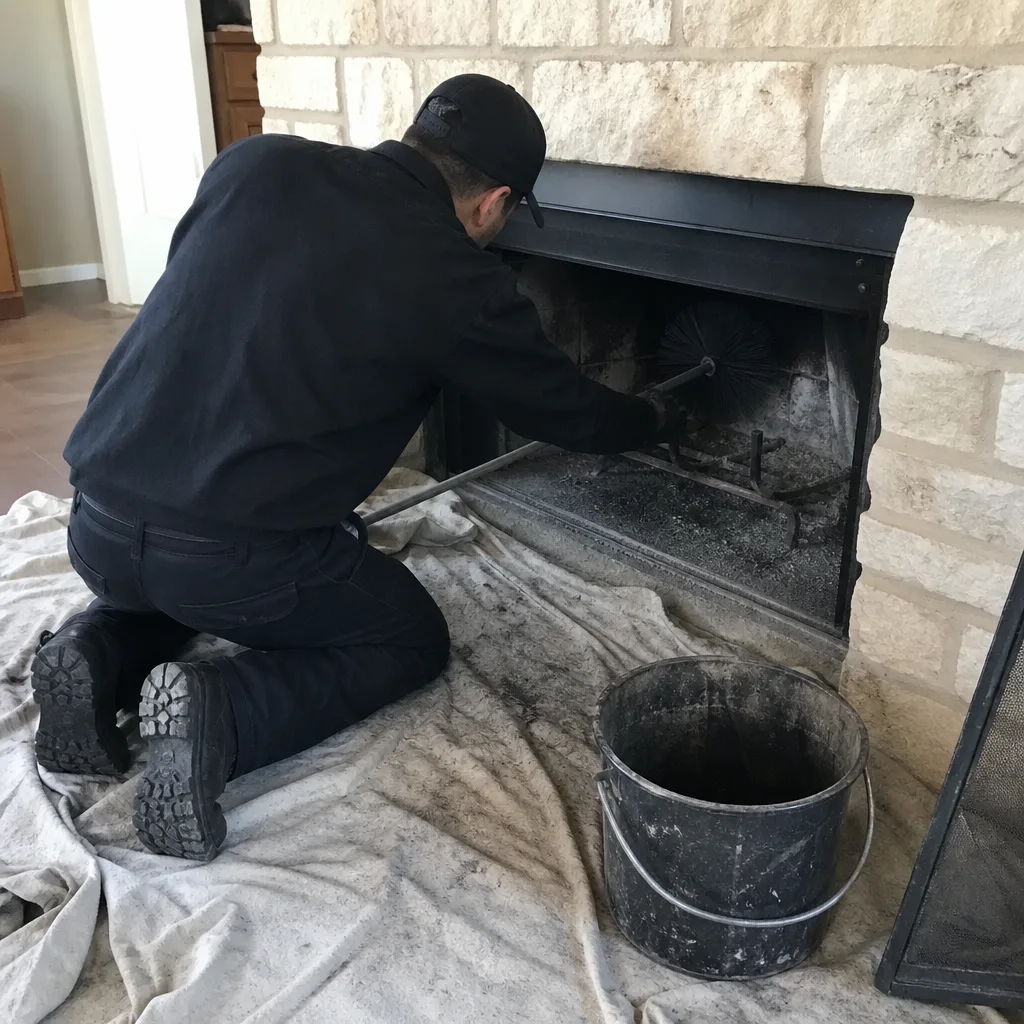
- 1
NFPA 211 Level 2 inspection with camera scan. We run a chimney camera the full flue length, document every crack, gap, and corrosion point with time-stamped photos, and note measurements. Clause 4 of the Haven Standard requires this photo record on every job.
- 2
Written scope and price before any work starts. Corrine or a senior tech delivers a written price, written scope, and written warranty - Haven Standard Clause 1, H.A.V.E.N. “Have it in writing.” No verbal quotes, no surprises.
- 3
Parts decision: OEM HeatShield or quality aftermarket. We source HeatShield refractory direct when the repair is warranty-sensitive or the homeowner prefers factory match. For sleeve replacements, we often recommend DuraFlex or Gelco seamless options with better corrosion resistance - always with the homeowner’s written approval and an explanation of the trade-off.
- 4
Repair or rebuild with documented progress photos. Our crew works with the photos from step one pinned to a tablet. For rebuilds, we match existing brick and mortar color where possible. For liner jobs, we verify proper expansion and seal every joint.
- 5
Smoke test and final camera verification. We run a smoke pellet test to confirm draft and leak-free operation, then camera the finished flue to prove the repair. The customer gets both photo sets: before and after.
- 6
Cleanup, written warranty, and 365-Day Done Right Promise. We leave the work area cleaner than we found it. The warranty is stamped, dated, and in your hand before we load the truck.
BeforeAfterWhat HeatShield Chimney Liner & Rebuild Costs in Frisco
These are real ranges for Frisco homes we’ve worked, based on jobs in Starwood, Newman Village, and the older corridors near Preston Road:
- HeatShield joint repair (localized): $850-$1,400
- Chamber Coat re-parging: $1,200-$2,100
- Cerfractory liner resurfacing: $2,800-$4,500
- HeatShield sleeve replacement (partial): $3,500-$5,200
- Full stainless liner replacement (DuraFlex/Gelco): $4,200-$7,800
- Partial chimney rebuild with new liner: $8,500-$14,000
What moves the price: flue height (two-story Frisco homes add material), access (steep roof pitch or tight clearance), whether the crown needs rebuilding, and if the smoke chamber requires structural repair. We never recommend work without camera evidence you can see yourself, and we’ll tell you plainly when something can safely wait another season. Call (940) 290-7230 for an exact quote - estimates are free.
Why Frisco Homeowners Call Level Two Chimney Frisco for HeatShield Work
We’ve inspected and cleaned more than 38,000 chimneys since 2009, and we’ve learned that HeatShield repairs fail when they’re guessed at instead of measured. The camera doesn’t guess. Neither do we.
Our technicians are background-checked, uniformed, and assigned by name - you’ll get a text when yours is on the way. We carry HeatShield refractory, DuraFlex seamless liners, and Gelco components on our Frisco trucks, so we’re not ordering parts after we’ve already torn your flue apart. Every quote is written and binding before work starts. If we don’t get it right, we make it right - that’s the 365-Day Done Right Promise, stamped on every job.
We’re independently owned and operated, not a franchise, and Corrine Halstead still sketches flue diagrams by hand in a notebook on the truck. That’s the kind of company this is.
FAQs
No, if the repair is done with OEM HeatShield materials and proper application techniques. As an independent HeatShield service provider, we use factory-specified refractory products and document the work with photos and batch numbers. Using non-HeatShield aftermarket parts for a warranty-covered component can void coverage, which is why we discuss the trade-off in writing before we start.
Most localized repairs are completed in four to six hours. Full liner replacements and partial rebuilds typically take one to two days, depending on flue height and weather. We schedule a firm start date, not a window, and our crew stays until the job is done and tested.
We source HeatShield refractory direct through Haven’s buying network, and for visible rebuilds we match existing brick and mortar color. For sleeve replacements, DuraFlex and Gelco liners are interior-only and won’t change your chimney’s exterior appearance. You’ll get photos of material samples before we order.
The camera decides, not us. If damage is localized to joints or the smoke chamber, repair makes sense. If we find spalling clay tile through more than 30 percent of the flue, vertical cracking, or seam corrosion in a stainless sleeve, replacement is the honest recommendation. We show you the footage and explain the threshold before quoting either option.
For minor joint separation or surface cracking, waiting one burning season is often reasonable if the flue is gas-venting only. For wood-burning systems with visible gaps, creosote can penetrate to the masonry and accelerate decay. Carbon monoxide leakage risk increases with any liner breach. We’ll categorize the urgency in your written inspection report so you can decide with real information, not pressure.
Written by Corrine Halstead, Owner, Level Two Chimney Frisco at Level Two Chimney Frisco, serving Frisco and nearby areas.